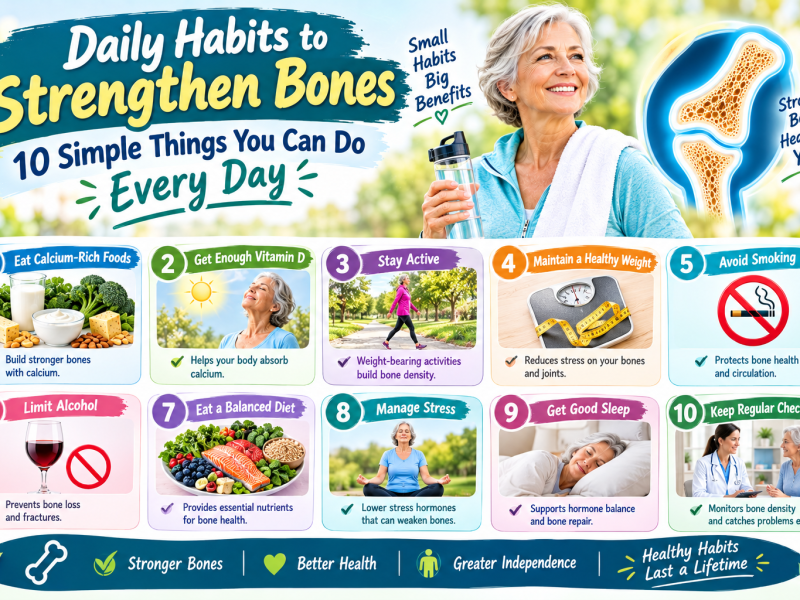
Osteoporosis is a condition in which bones become weaker and more likely to fracture. It often develops gradually, and many people do not realize they have low bone density until they experience a fracture.
The good news is that healthy lifestyle habits can play an important role in supporting bone health. A balanced diet can provide nutrients needed for maintaining bones, while appropriate exercise can strengthen muscles, improve balance, and provide beneficial stress to the skeleton.
If you are looking for the best foods and exercises to fight osteoporosis naturally, it is important to understand that “naturally” does not mean replacing medical care. Lifestyle changes can support bone health, but people with osteoporosis may also need medical evaluation, prescription treatment, or monitoring.
This guide explores the best foods, exercises, and daily habits that can help support stronger bones.
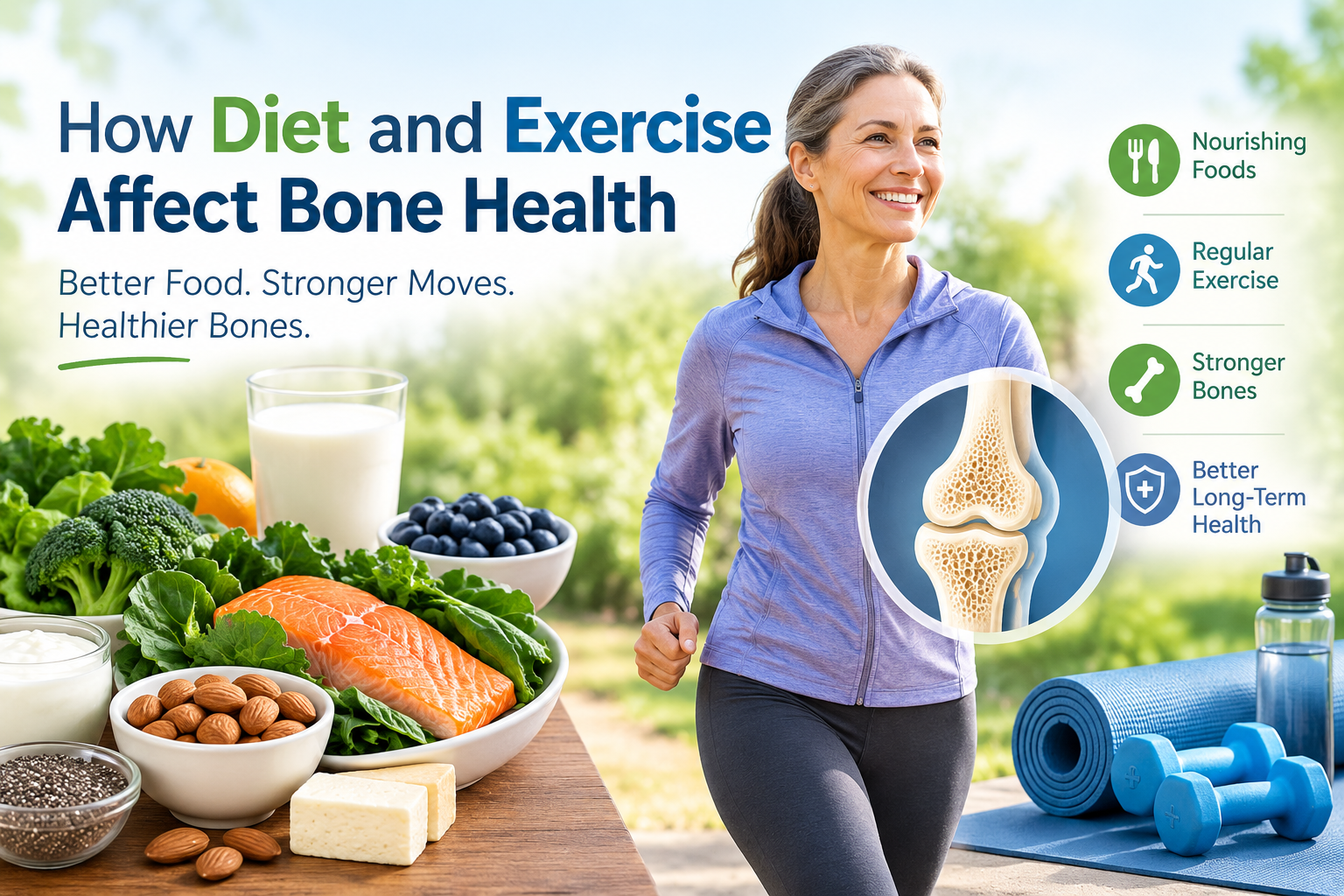
How Diet and Exercise Affect Bone Health
Click Here To Watch Video to Treat Osteoporosis Disease Naturally!..
Bones are living tissues that continuously undergo remodeling. Old bone is broken down while new bone is formed. As people age, this balance can shift toward bone loss.
Nutrition provides the raw materials needed for healthy bone maintenance. Calcium and vitamin D are particularly important, while protein, magnesium, vitamin K, and other nutrients also contribute to overall nutritional health.
Exercise works differently. Weight-bearing and resistance activities place controlled stress on bones and muscles. Regular physical activity can help maintain muscle strength, improve coordination, and reduce fall risk.
The combination of good nutrition and appropriate physical activity is therefore an important part of a bone-friendly lifestyle.
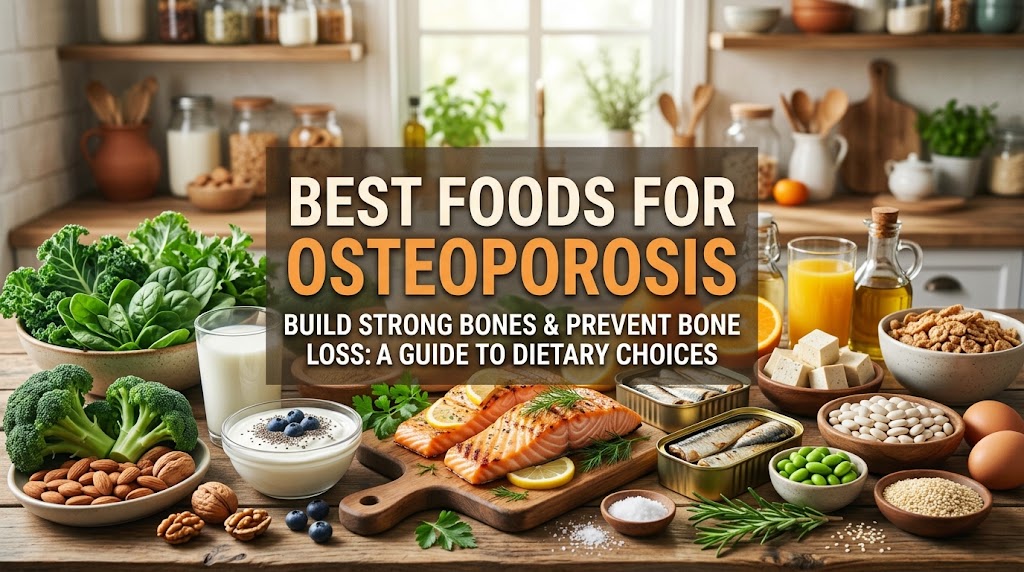
Best Foods for Osteoporosis
Click Here To Watch Video to Treat Osteoporosis Disease Naturally!..
1. Milk and Other Dairy Products
Milk, yogurt, and cheese are popular sources of calcium and can be convenient additions to a bone-health diet.
Depending on the product, dairy foods may also provide protein and other nutrients.
Try including:
- Plain or Greek yogurt
- Milk
- Cottage cheese
- Cheese in moderate portions
Choose products that fit your overall nutritional needs. If you do not consume dairy, there are many alternative sources of calcium.
2. Calcium-Fortified Plant-Based Foods
People who avoid dairy can still obtain calcium from fortified foods and beverages.
Examples include:
- Fortified soy milk
- Fortified almond or oat beverages
- Calcium-fortified cereals
- Calcium-set tofu
Check nutrition labels because calcium content varies considerably between brands and products.
Fortified soy beverages can be particularly useful because they may provide both calcium and protein.
3. Fatty Fish
Fatty fish can provide nutrients important for a balanced diet, including protein and vitamin D in some varieties.
Good options include:
- Salmon
- Sardines
- Trout
- Mackerel
Canned sardines and canned salmon with edible bones can also provide calcium.
Try adding fish to meals several times per week if it fits your dietary preferences and health needs.
4. Leafy Green Vegetables
Vegetables should be an important part of an overall bone-friendly eating pattern.
Examples include:
- Kale
- Broccoli
- Bok choy
- Collard greens
- Other dark green vegetables
Some leafy greens contain compounds and nutrients that contribute to a healthy diet. However, calcium absorption varies among vegetables, so it is better to eat a variety rather than relying on one vegetable as your main calcium source.
5. Beans and Lentils
Beans and lentils are affordable, versatile sources of plant-based protein and several minerals.
Consider:
- Lentils
- Chickpeas
- Kidney beans
- Black beans
- White beans
- Soybeans
They can be added to soups, salads, curries, wraps, and grain bowls.
Combining legumes with vegetables and whole grains can create nutritious, filling meals.
6. Nuts and Seeds
Nuts and seeds can contribute protein, healthy fats, magnesium, and other nutrients to your diet.
Useful choices include:
- Almonds
- Walnuts
- Chia seeds
- Sesame seeds
- Pumpkin seeds
Because nuts and seeds are calorie-dense, moderate portions are generally appropriate.
You can sprinkle seeds over yogurt or oatmeal, add nuts to salads, or enjoy a small handful as a snack.
7. Eggs
Eggs provide protein and several vitamins and minerals. Egg yolks also contain vitamin D.
They can be an easy addition to breakfast or lunch.
Try boiled eggs, scrambled eggs with vegetables, or a vegetable omelet for a nutritious meal.
8. Fruits and Whole Grains
Fruits and whole grains do not replace calcium-rich foods, but they contribute to an overall balanced diet.
Examples include:
- Oranges
- Berries
- Apples
- Bananas
- Oats
- Brown rice
- Whole-grain bread
- Quinoa
A varied diet is generally better than focusing on a single “superfood” for bone health.
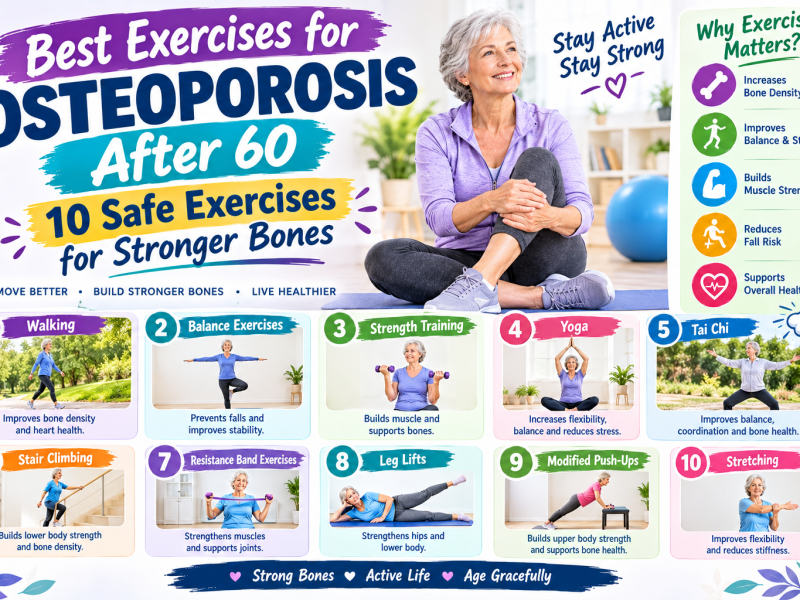
Best Exercises for Osteoporosis

Click Here To Watch Video to Treat Osteoporosis Disease Naturally!..
1. Walking
Walking is one of the easiest ways to incorporate weight-bearing activity into your routine.
You can begin with 10–15 minutes and gradually increase your walking time as your fitness improves.
Walking can also support cardiovascular health and leg strength.
Choose a safe, level surface if you have balance problems, and use appropriate footwear.
2. Resistance Training
Resistance exercise is particularly valuable because it can strengthen the muscles that support your body while providing mechanical loading.
Options include:
- Resistance bands
- Dumbbells
- Weight machines
- Body-weight exercises
Beginners might start with exercises such as controlled sit-to-stands and wall push-ups.
Focus on good technique and controlled movement rather than lifting heavy weights immediately.
3. Sit-to-Stand Exercises
The sit-to-stand movement strengthens the legs and hips and can make everyday activities easier.
How to do it:
- Sit on a sturdy chair.
- Place your feet approximately hip-width apart.
- Lean forward slightly while maintaining a controlled posture.
- Push through your feet to stand.
- Slowly sit back down.
- Repeat several times.
Use your hands for support if needed.
4. Wall Push-Ups
Wall push-ups are a beginner-friendly upper-body exercise.
Steps:
- Stand facing a wall.
- Place your hands at approximately shoulder height.
- Step backward slightly.
- Keep your body controlled and aligned.
- Bend your elbows and move toward the wall.
- Push gently away.
- Repeat 8–12 times.
As your strength improves, a qualified professional can help you progress your resistance training.
5. Heel Raises
Heel raises strengthen the calf muscles and can contribute to lower-body stability.
Stand behind a sturdy chair or near a stable countertop.
Slowly raise your heels, pause, and lower them back down.
Repeat several times while maintaining control.
6. Balance Exercises
Balance training is essential because preventing falls can help reduce the risk of fractures.
Begin with simple exercises performed near a stable support.
For example, stand upright with your feet close together while holding a countertop lightly. Hold the position for several seconds and repeat.
More challenging balance exercises should be introduced gradually and safely.
7. Stair Climbing or Step-Ups
Step-ups can strengthen the legs and provide weight-bearing activity.
Use a low, stable step and hold a railing or sturdy support if necessary.
Start with a small number of repetitions and focus on controlled movement.
If you have severe osteoporosis, poor balance, or a history of fractures, ask a healthcare professional whether step-ups are appropriate for you.
Exercises to Use Caution With
Exercise is beneficial for many people with osteoporosis, but certain movements may need modification.
If you have osteoporosis, particularly spinal osteoporosis or vertebral fractures, ask a qualified professional before performing exercises involving:
- Forceful forward bending
- Repeated abdominal crunches
- Deep spinal flexion
- Strong twisting
- Sudden jerking movements
- High-impact activities
- Heavy lifting with poor technique
Some yoga and Pilates positions may also need modification.
The right exercise depends on your fracture risk, fitness level, bone density, previous injuries, and overall health.
Create a Natural Osteoporosis-Friendly Routine

Click Here To Watch Video to Treat Osteoporosis Disease Naturally!..
You do not need to completely change your lifestyle in one day.
A simple weekly routine could include:
Monday
20–30 minutes of walking plus basic resistance exercises.
Tuesday
Walking and balance exercises.
Wednesday
Rest or gentle physical activity.
Thursday
Resistance training and posture exercises.
Friday
Walking or another appropriate weight-bearing activity.
Saturday
Strength and balance exercises.
Sunday
Rest and recovery.
This is only an example. Your personal exercise routine should be adjusted according to your health and physical abilities.
Other Natural Lifestyle Strategies for Stronger Bones

Click Here To Watch Video to Treat Osteoporosis Disease Naturally!..
Food and exercise are important, but several other habits can support bone health.
Quit Smoking
Smoking is associated with poorer bone health. If you smoke, quitting can benefit your bones as well as your overall health.
Limit Excessive Alcohol
Heavy alcohol consumption can negatively affect bone health and increase fall risk. If you drink alcohol, moderation is important.
Maintain a Healthy Weight
Being significantly underweight can increase fracture risk. Avoid extreme diets that do not provide enough calories, protein, vitamins, or minerals.
Get Appropriate Vitamin D
Vitamin D can come from sunlight, foods, and supplements when appropriate. People with limited sun exposure or other risk factors may need professional advice about their vitamin D status.
Prevent Falls at Home
Make your environment safer by:
- Removing loose rugs
- Improving lighting
- Keeping pathways clear
- Using handrails on stairs
- Wearing supportive footwear
- Installing bathroom safety equipment when necessary
Fall prevention becomes increasingly important as fracture risk increases.
Do Natural Remedies Cure Osteoporosis?
There is no single food, herb, tea, or natural remedy that can reliably reverse osteoporosis.
A healthy lifestyle can support bone health and complement medical treatment, but diagnosed osteoporosis should be taken seriously.
Be cautious with supplements or products that promise to “cure” osteoporosis naturally. Some supplements can interact with medications or cause side effects when taken in excessive amounts.
If you are considering calcium, vitamin D, or another supplement, discuss it with your healthcare professional.
When Should You Talk to a Doctor?
Consider discussing your bone health with a healthcare professional if you:
- Have had a fracture after a minor fall
- Have been diagnosed with osteoporosis or low bone density
- Have significant height loss
- Have a family history of osteoporosis
- Take medications that can affect bone health
- Have risk factors for osteoporosis
- Are concerned about falling
- Are unsure which exercises are safe
A DXA or DEXA bone-density scan may be recommended for people who meet appropriate screening or clinical criteria.
Your healthcare professional can also help determine whether lifestyle changes alone are sufficient or whether additional osteoporosis treatment is needed.
The Bottom Line
The best foods and exercises to fight osteoporosis naturally are not complicated. Focus on a varied, nutrient-rich diet that includes calcium-rich foods, vitamin D sources, protein, vegetables, fruits, whole grains, nuts, and seeds.
Combine good nutrition with regular weight-bearing activity, resistance training, balance exercises, and safe functional movements.
Walking, sit-to-stands, wall push-ups, heel raises, step-ups, and appropriate resistance exercises can form the foundation of a beginner-friendly routine.
At the same time, avoid smoking, limit excessive alcohol, maintain a healthy body weight, and make your home safer to reduce fall risk.
Most importantly, remember that natural lifestyle strategies are supportive—not a replacement for medical care. If you have osteoporosis or a high risk of fracture, work with a healthcare professional to create an exercise, nutrition, and treatment plan that is appropriate for you.