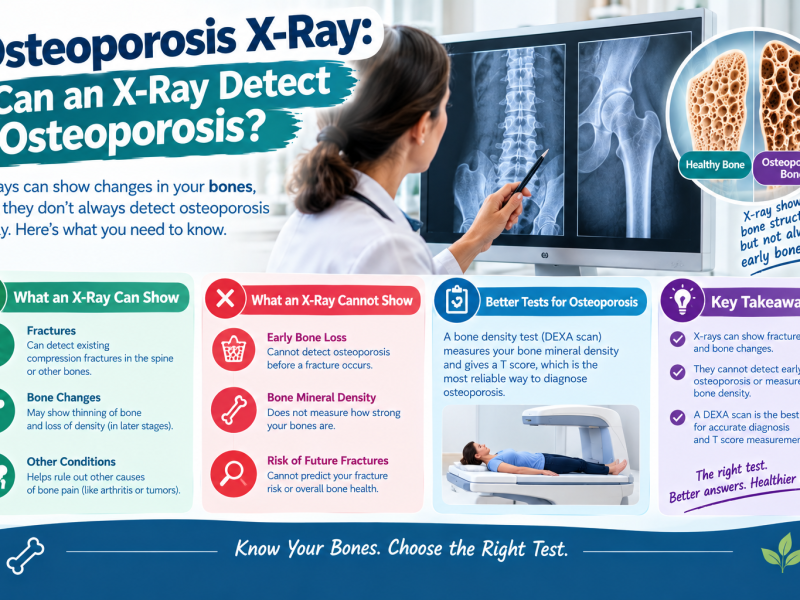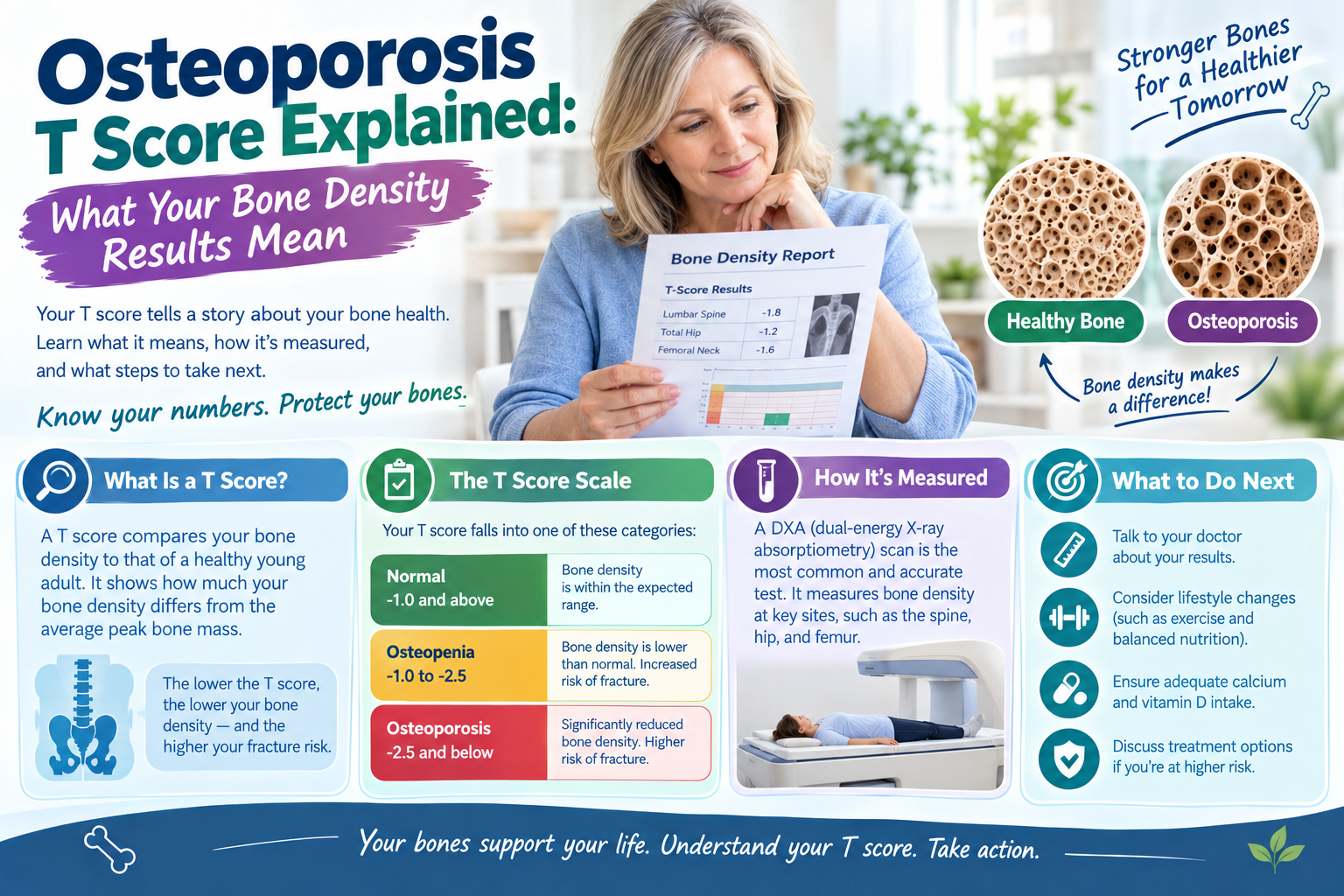
Understanding your bone density results is an important step toward protecting your bones and reducing your risk of fractures. If you have recently undergone a bone density test, you may have noticed a number called the T-score on your report. This number helps healthcare professionals assess bone density and identify osteoporosis.
An osteoporosis T-score can indicate whether your bone density is normal, below the expected range, or within the osteoporosis range. However, interpreting your results involves more than looking at a single number. Your age, medical history, previous fractures, and other risk factors also matter.
In this guide, we explain what an osteoporosis T-score means, how to interpret your results, and what steps you can take to support your bone health.
What Is an Osteoporosis T-Score?
Click Here To Watch Video to Treat Osteoporosis Disease Naturally!..
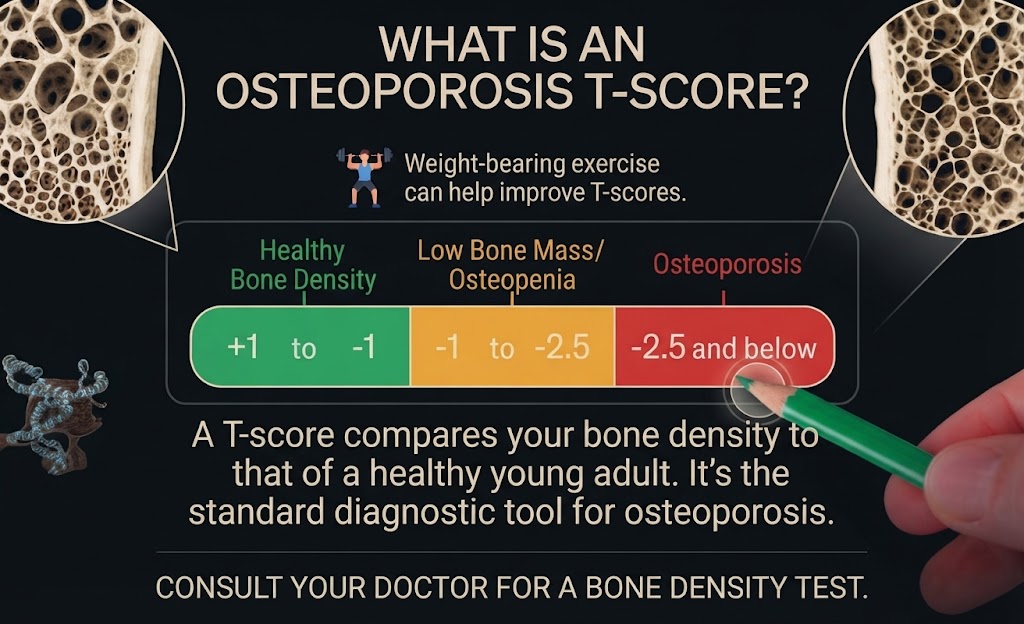
A T-score is a measurement used to describe how your bone mineral density compares with that of a healthy young adult reference population.
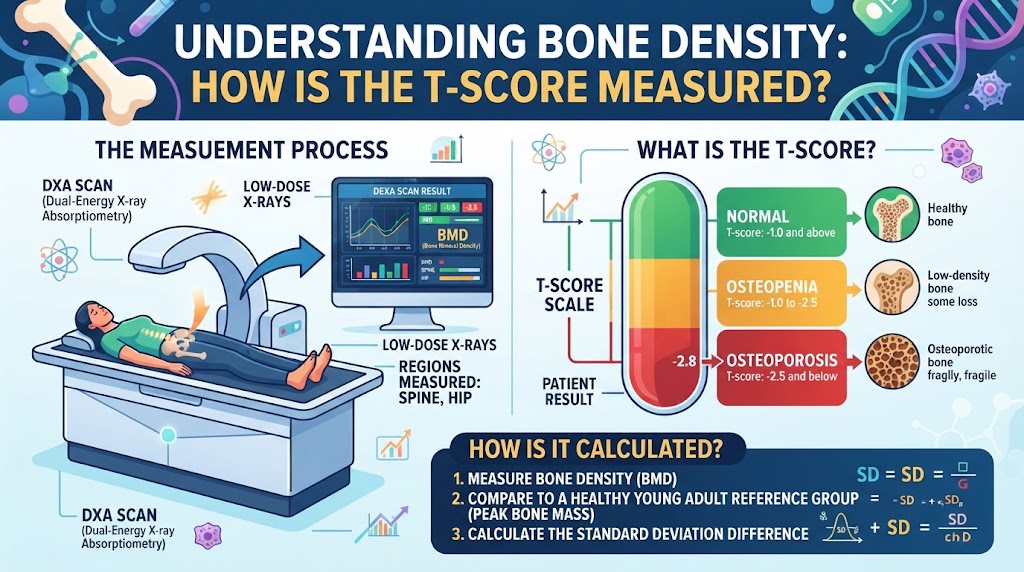
Doctors typically obtain this measurement through a dual-energy X-ray absorptiometry (DXA) scan, also called a DEXA scan. It measures bone mineral density, particularly at the hip and spine.
Your T-score is expressed in standard deviations (SD). A score of zero means your bone density is equal to the reference average. Negative scores indicate lower bone density, while positive scores indicate higher bone density.
For example:
- A T-score of 0 means your bone density matches the reference average.
- A T-score of -1.0 indicates lower bone density than the reference average.
- A T-score of -2.5 falls within the osteoporosis range.
The lower your T-score, the greater your likelihood of having reduced bone density. However, the score alone does not determine your exact fracture risk.
Understanding Normal, Osteopenia, and Osteoporosis T-Scores
Click Here To Watch Video to Treat Osteoporosis Disease Naturally!..
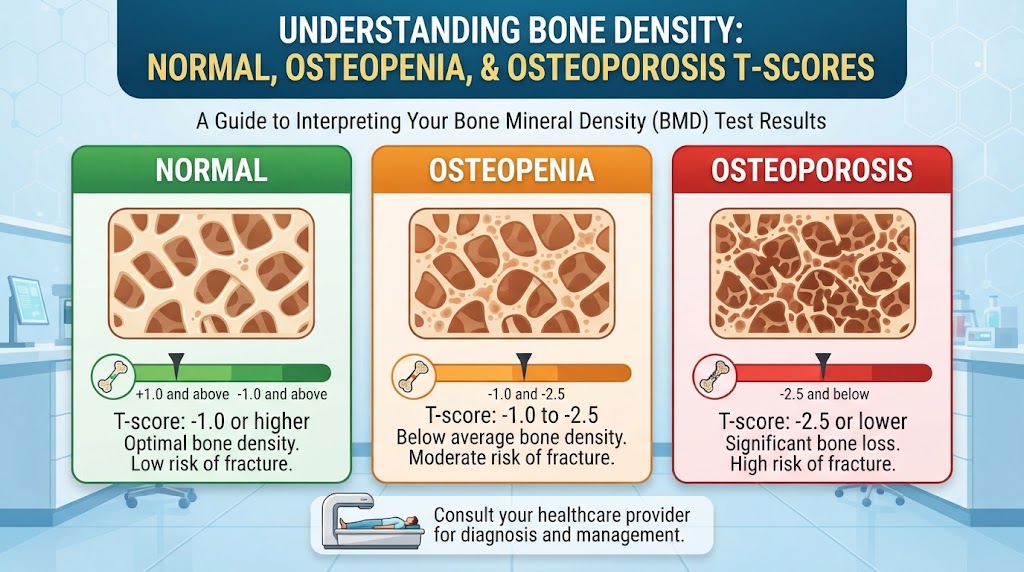
Healthcare professionals generally use three main T-score categories to classify bone density in postmenopausal women and men aged 50 or older.
| T-score | Classification | Meaning |
|---|---|---|
| -1.0 or higher | Normal | Bone density is within the normal range. |
| Between -1.0 and -2.5 | Osteopenia | Bone density is lower than normal. |
| -2.5 or lower | Osteoporosis | Bone density meets the diagnostic threshold for osteoporosis. |
These categories follow internationally recognized diagnostic criteria. <Cite refs={[“turn212111search3″,”turn212111search0”]}/>
1. Normal Bone Density: -1.0 or Higher
A T-score of -1.0 or higher generally indicates normal bone density.
For example, T-scores of 0.0, -0.5, and -0.9 are within the normal range.
Normal bone density suggests that your bones have a healthy mineral density compared with the reference population. However, it does not guarantee that you will never experience a fracture.
Age, falls, medications, and other medical conditions can influence fracture risk even when bone density is normal.
Maintaining regular exercise, adequate calcium intake, and sufficient vitamin D can help support bone health.
2. Osteopenia: Between -1.0 and -2.5
Osteopenia, also called low bone mass, describes bone density that is lower than normal but does not meet the diagnostic threshold for osteoporosis.
For example:
- -1.2 indicates osteopenia.
- -1.8 indicates osteopenia.
- -2.3 indicates osteopenia.
Osteopenia does not automatically mean that you will develop osteoporosis. However, it can indicate an increased risk of future bone loss and fractures.
Your healthcare professional may recommend lifestyle changes, fracture-risk assessment, follow-up bone density testing, or medication, depending on your individual circumstances.
3. Osteoporosis: -2.5 or Lower
A T-score of -2.5 or lower at an appropriate measurement site falls within the osteoporosis range.
For example:
- -2.5 indicates osteoporosis.
- -2.8 indicates osteoporosis.
- -3.2 indicates osteoporosis.
Osteoporosis causes bones to become weaker and more susceptible to fractures. A person with osteoporosis may experience a broken bone after a relatively minor fall or injury.
However, an osteoporosis T-score does not mean that a fracture is inevitable. Appropriate treatment and preventive measures can help reduce fracture risk.
How Is the T-Score Measured?
Click Here To Watch Video to Treat Osteoporosis Disease Naturally!..
The most commonly used test for measuring bone mineral density is a DXA scan.
During the test, a scanner uses a small amount of X-ray radiation to measure bone density. The procedure is generally painless and usually takes around 10–20 minutes, depending on the equipment and areas being examined.
The most common measurement sites are:
- Lumbar spine: Measures bone density in the lower back.
- Femoral neck: Measures bone density near the top of the thigh bone.
- Total hip: Measures bone density across a larger area of the hip.
In certain circumstances, healthcare professionals may also measure bone density at the forearm.
Your report may contain separate T-scores for the spine, femoral neck, and total hip. These numbers may differ because bone density is not necessarily the same throughout your skeleton.
For diagnosis, clinicians generally consider the lowest valid T-score from the recommended measurement sites. <Cite refs={[“turn212111search3″,”turn212111search1”]}/>
What Does a Low Osteoporosis T-Score Mean?
A low T-score indicates reduced bone mineral density. Generally, the lower the score, the greater the risk of fractures.
However, fracture risk depends on more than bone density.
Your healthcare professional may also consider:
- Your age
- Previous fractures
- Family history of hip fractures
- Body weight
- Smoking habits
- Alcohol consumption
- Certain medical conditions
- Long-term corticosteroid use
- Risk of falling
For example, two people with the same T-score may have different fracture risks because of differences in age, medical history, and fall risk.
Your doctor may use a fracture-risk assessment tool, such as FRAX, where appropriate, to estimate your risk of fractures over the next 10 years.
T-Score vs. Z-Score: What Is the Difference?
Click Here To Watch Video to Treat Osteoporosis Disease Naturally!..
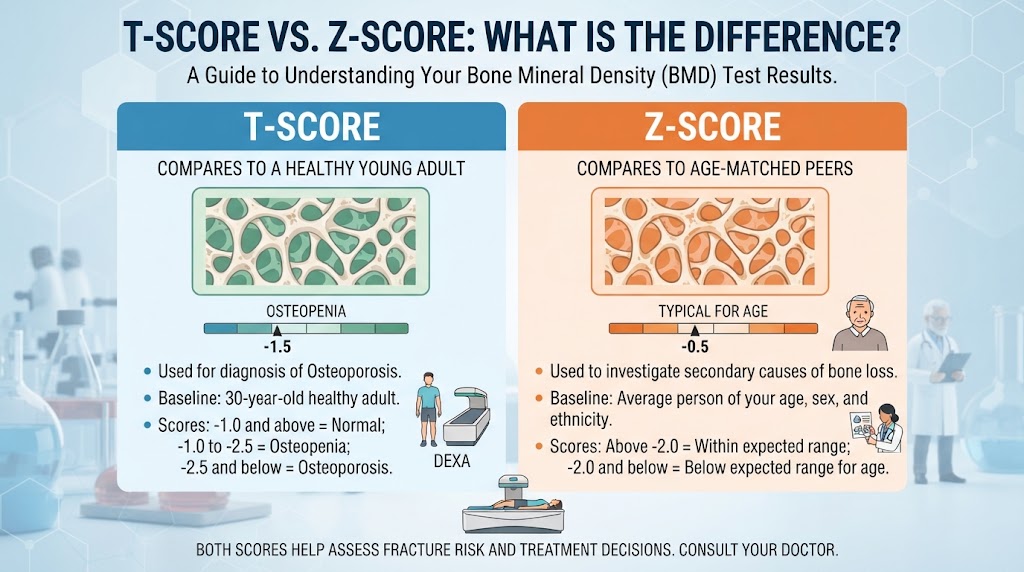
T-scores and Z-scores are both used in bone density reports, but they compare your bone density with different reference populations.
| Feature | T-score | Z-score |
|---|---|---|
| Comparison | Healthy young adult reference population | People of similar age and sex |
| Main use | Diagnosing osteoporosis in appropriate adults | Assessing bone density relative to age |
| Commonly used for | Postmenopausal women and men aged 50 or older | Premenopausal women and younger men |
| Important threshold | -2.5 or lower | -2.0 or lower is below the expected range for age |
A Z-score of -2.0 or lower suggests bone density is below the expected range for someone of the same age. In younger adults, doctors generally prefer Z-scores rather than T-scores when interpreting bone density. <Cite refs={[“turn212111search3″,”turn212111search5”]}/>
A low Z-score may prompt further investigation for underlying conditions or medications that affect bone health.
What Causes a Low T-Score?
Several factors can contribute to reduced bone mineral density.
1. Aging
Bone density often decreases with age as bone breakdown gradually exceeds new bone formation.
2. Menopause
Declining estrogen levels after menopause can accelerate bone loss, increasing the likelihood of osteopenia and osteoporosis.
3. Calcium and Vitamin D Deficiency
Calcium is essential for bone structure, while vitamin D helps the body absorb calcium. Inadequate intake or deficiency can negatively affect bone health.
4. Physical Inactivity
Limited weight-bearing activity and muscle-strengthening exercise can contribute to reduced bone strength.
5. Certain Medications
Long-term use of corticosteroids and some other medications can increase bone loss.
6. Medical Conditions
Conditions such as hyperthyroidism, certain digestive disorders, and some kidney diseases can affect bone density.
Identifying the underlying cause of a low T-score can help healthcare professionals recommend appropriate treatment.
How Can You Improve a Low T-Score?
Click Here To Watch Video to Treat Osteoporosis Disease Naturally!..
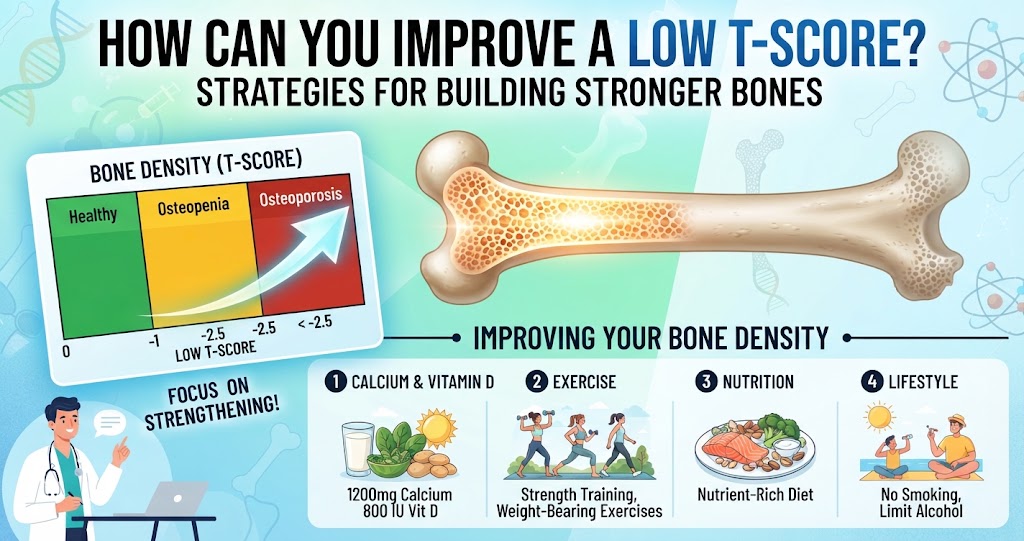
Although treatment cannot guarantee that bone density will return to normal, several measures can help maintain or improve bone health.
Eat Calcium-Rich Foods
Calcium is essential for maintaining strong bones. Include calcium-rich foods such as:
- Milk and yogurt
- Cheese
- Calcium-fortified beverages
- Tofu made with calcium
- Certain leafy green vegetables
- Fish eaten with edible bones
Your daily calcium requirements depend on your age and individual health needs.
Maintain Adequate Vitamin D
Vitamin D helps your body absorb calcium. Sunlight exposure, dietary sources, and supplements when needed can help maintain adequate levels.
Ask your healthcare professional whether supplementation is appropriate for you.
Exercise Regularly
Weight-bearing and resistance exercises can help maintain bone density and muscle strength.
Examples include:
- Walking
- Stair climbing
- Resistance training
- Dancing
- Appropriate balance exercises
If you already have osteoporosis or a history of fractures, ask your healthcare professional which exercises are safe for you.
Avoid Smoking and Excessive Alcohol
Smoking and heavy alcohol consumption can negatively affect bone health. Avoiding tobacco and limiting alcohol can help support overall health and reduce certain fracture risks.
Consider Medical Treatment
Depending on your T-score and overall fracture risk, your doctor may recommend prescription medications.
Common osteoporosis treatments include bisphosphonates, denosumab, teriparatide, abaloparatide, and romosozumab. These medications work in different ways to reduce bone loss, increase bone formation, or lower fracture risk.
Not everyone with osteopenia or osteoporosis needs medication. Treatment decisions depend on individual fracture risk, medical history, and applicable clinical guidelines.
How Often Should You Repeat a Bone Density Test?
Click Here To Watch Video to Treat Osteoporosis Disease Naturally!..
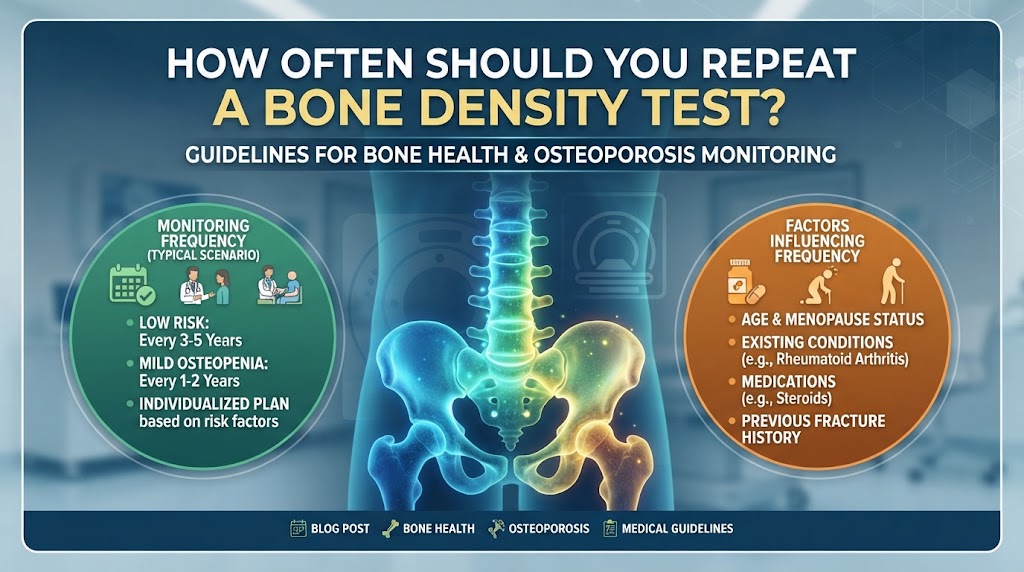
The timing of follow-up DXA scans depends on your initial T-score, fracture risk, age, and whether you are receiving treatment.
Some people with stable bone density may not need another scan for several years. Others, particularly those at higher risk or receiving osteoporosis treatment, may need earlier reassessment.
Your doctor may recommend repeat testing to monitor changes in bone density and evaluate treatment response.
It is important to remember that small differences between two scans do not always indicate meaningful bone loss or improvement. Changes should be interpreted using the scanner’s measurement precision and the time between tests.
When Should You See a Doctor About Your T-Score?
Discuss your bone density results with a healthcare professional if:
- Your T-score is -2.5 or lower.
- Your results indicate osteopenia and you have additional fracture risks.
- You have experienced a fracture after a minor fall.
- You have significant height loss or unexplained back pain.
- You take medications that may weaken bones.
- You have a medical condition associated with bone loss.
Even if your T-score is normal, regular assessment may be appropriate if you have significant risk factors.
Frequently Asked Questions
Is a T-score of -2.0 considered osteoporosis?
No. A T-score of -2.0 generally falls within the osteopenia range. However, your overall fracture risk may still be high enough to warrant treatment.
Is a T-score of -2.5 serious?
A T-score of -2.5 meets the diagnostic threshold for osteoporosis. It indicates reduced bone density, but it does not mean a fracture is inevitable. A healthcare professional can assess your individual risk and discuss treatment.
Can a T-score improve?
Yes. Bone density can improve in some people through appropriate medication, exercise, and nutritional measures. The amount of improvement varies according to the underlying cause and treatment.
Does a normal T-score mean I cannot develop osteoporosis?
No. A normal T-score describes your bone density at the time of testing. Bone density can decrease with age, certain medical conditions, and some medications.
Can you have osteoporosis without symptoms?
Yes. Osteoporosis often develops without noticeable symptoms. Some people discover they have the condition only after experiencing a fracture.
Final Thoughts
Understanding your osteoporosis T-score can help you make informed decisions about your bone health. A T-score of -1.0 or higher generally indicates normal bone density, a score between -1.0 and -2.5 indicates osteopenia, and a score of -2.5 or lower meets the diagnostic threshold for osteoporosis in appropriate adults.
However, your T-score is only one part of your overall bone-health assessment. Age, previous fractures, medical conditions, medications, and fall risk can all influence your likelihood of experiencing a fracture.
A balanced diet, adequate calcium and vitamin D, regular exercise, fall prevention, and appropriate medical treatment can help protect your bones. If your DXA report shows a low T-score, discuss the findings with your healthcare professional to develop a personalized plan for maintaining bone strength and reducing fracture risk.