Osteoporosis is a common bone disease that causes bones to become thinner, weaker, and more likely to break. It can develop gradually, often without obvious symptoms until a fracture occurs. Although aging is one of the biggest contributors, osteoporosis is not caused by a single factor. Nutrition, hormones, physical activity, medications, medical conditions, and lifestyle habits can all influence bone strength.
Understanding the common causes and risk factors of osteoporosis can help you recognize potential problems early and take steps to protect your bones. Some risk factors cannot be changed, such as age or family history, while others can often be improved through healthy lifestyle choices and appropriate medical care.
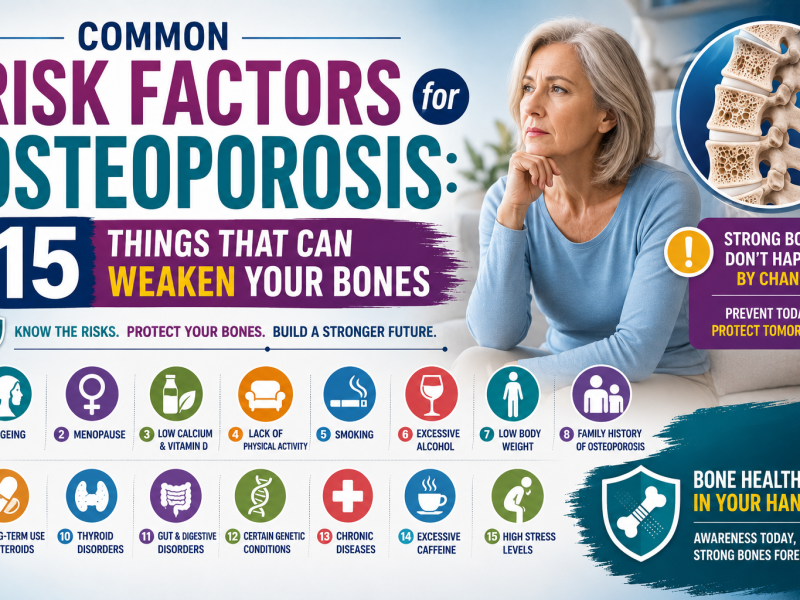
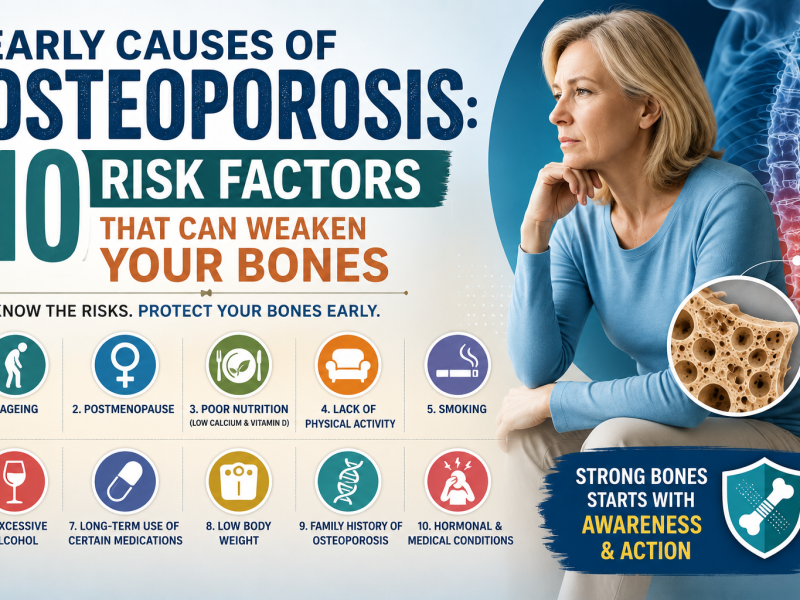
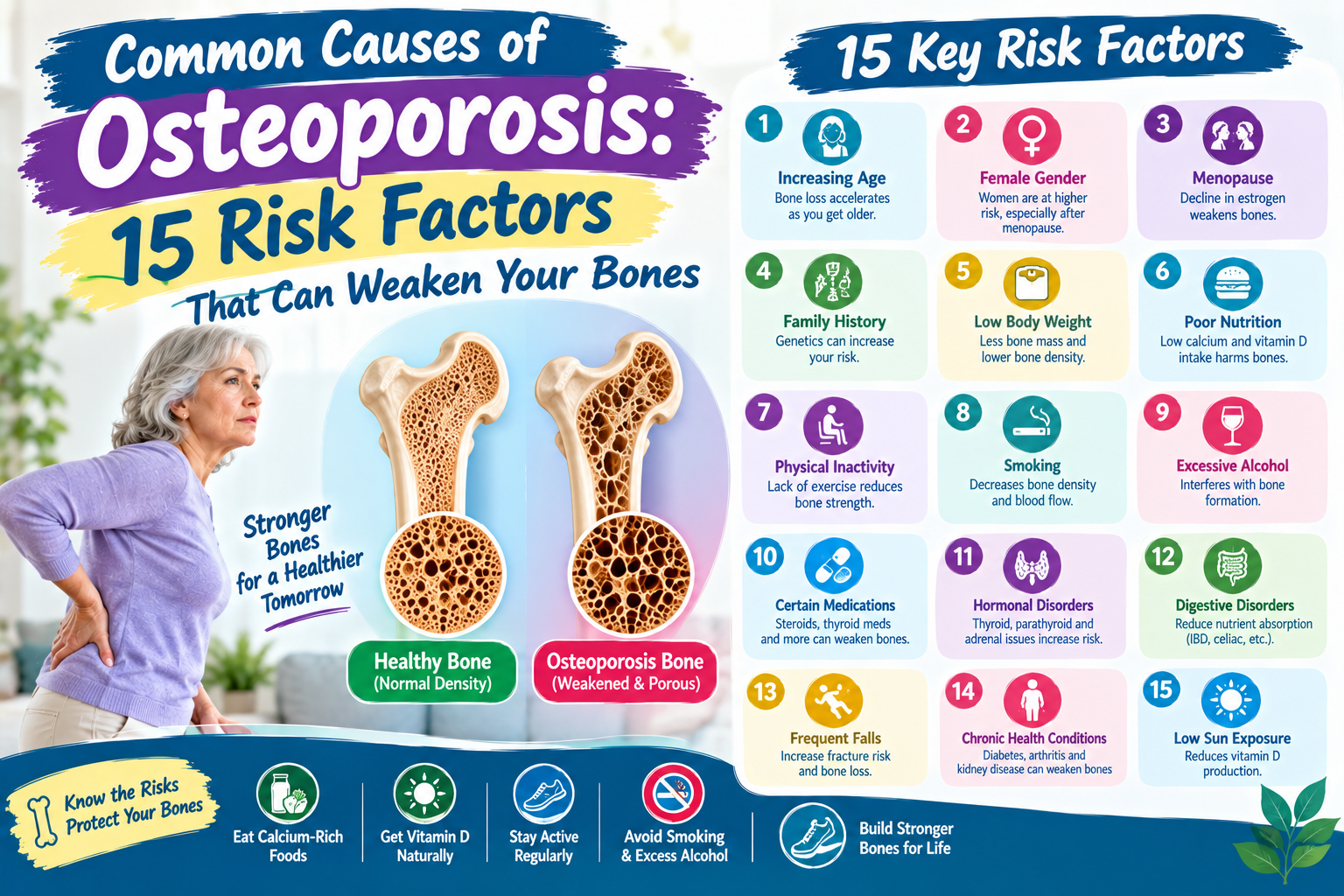
15 Risk Factors That Can Weaken Your Bones
Click Here To Watch Video to Treat Osteoporosis Disease Naturally!..
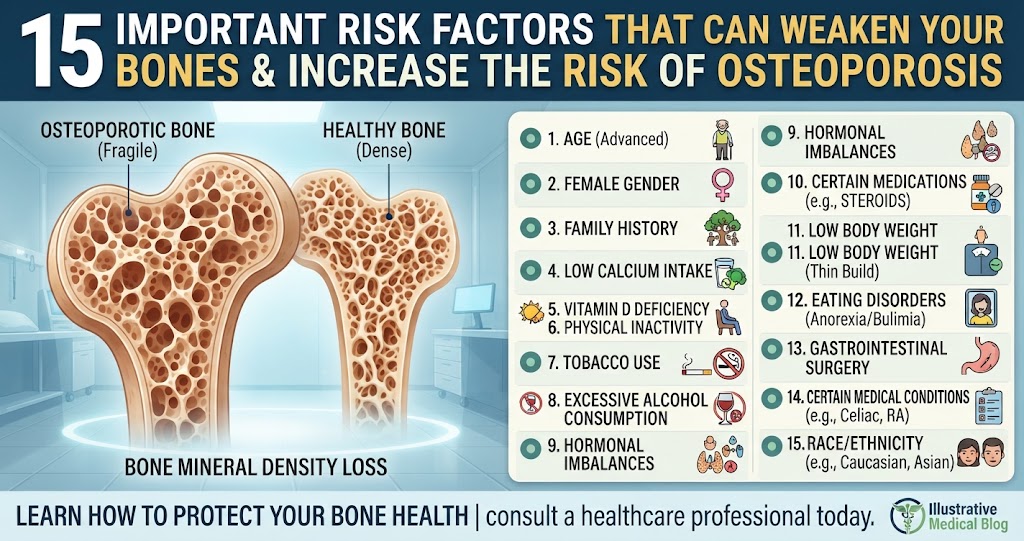
Here are 15 important risk factors that can weaken your bones and increase the risk of osteoporosis.
1. Aging
Aging is one of the most important risk factors for osteoporosis. Throughout life, your body continuously removes old bone and replaces it with new bone. As you get older, bone breakdown can begin to occur faster than new bone formation.
Bone mass generally reaches its peak during early adulthood. After that, bone density gradually declines. The process can accelerate later in life, particularly after menopause in women.
Older adults may also experience reduced muscle strength, balance problems, and lower physical activity, which can increase the risk of falls and fractures.
2. Menopause and Low Estrogen Levels
For women, menopause is a major risk factor for bone loss. Estrogen helps maintain bone density by reducing the rate at which bone is broken down.
When estrogen levels fall during and after menopause, bone loss can accelerate. Some women may lose a significant amount of bone during the years surrounding menopause.
Women who experience early menopause or have their ovaries removed may be exposed to lower estrogen levels for a longer period, potentially increasing their risk.
If you are concerned about bone health around menopause, discuss your individual risk factors with a healthcare professional.
3. Family History of Osteoporosis
Genetics can influence bone density, bone structure, and the likelihood of developing osteoporosis.
Having a parent or close family member who had osteoporosis or a hip fracture may increase your risk. However, family history does not mean that osteoporosis is inevitable.
Healthy nutrition, regular exercise, avoiding tobacco, limiting excessive alcohol, and appropriate medical screening can still play important roles in maintaining bone health.
4. Low Calcium Intake
Calcium is a major mineral found in bones. Your body needs adequate calcium throughout life to maintain normal bone structure.
If your diet consistently provides too little calcium, the body can draw calcium from bones to help maintain the calcium level needed for other functions.
Good food sources include:
- Milk and yogurt
- Cheese
- Calcium-fortified plant beverages
- Sardines and canned salmon with bones
- Tofu made with calcium
- Leafy green vegetables
- Some nuts and seeds
The amount of calcium you need depends on your age, sex, and other health factors. Supplements should be discussed with a healthcare professional if dietary intake is inadequate.
5. Vitamin D Deficiency
Vitamin D helps the body absorb calcium and plays an important role in bone health.
Low vitamin D levels can interfere with calcium absorption and contribute to weakened bones. People who spend little time outdoors, have limited dietary sources of vitamin D, or have certain medical conditions may be at increased risk of deficiency.
Sources of vitamin D include sunlight exposure, fortified foods, fatty fish, egg yolks, and supplements when medically appropriate.
If deficiency is suspected, a healthcare professional can determine whether testing or supplementation is appropriate.
6. Lack of Weight-Bearing Exercise
Bones respond to physical stress. Regular weight-bearing and resistance exercises can help maintain bone strength and support muscle health.
A sedentary lifestyle can contribute to bone loss over time. Activities such as walking, stair climbing, dancing, resistance exercises, and other appropriately selected exercises can provide beneficial mechanical stimulation.
Exercise should be tailored to your health and fitness level. People who already have osteoporosis or previous fractures may need professional guidance to avoid movements that increase fracture risk.
7. Being Underweight
Having a very low body weight can increase the risk of low bone density and fractures.
People who are underweight may have lower bone mass, inadequate intake of protein and essential nutrients, or other factors that affect bone health.
Maintaining a healthy weight through balanced nutrition and appropriate physical activity can support both bone and overall health.
If you have experienced unexplained weight loss, poor appetite, or difficulty maintaining weight, talk with a healthcare professional.
8. Smoking
Smoking can negatively affect bone health. Chemicals in tobacco smoke can interfere with normal bone remodeling and may affect calcium metabolism and hormone function.
Smoking is also associated with a higher risk of fractures and can interfere with recovery after a fracture.
Quitting smoking is an important step for overall health and may help protect your bones. If quitting is difficult, healthcare professionals can provide medications, counseling, and other support.
9. Excessive Alcohol Consumption
Heavy alcohol consumption can contribute to poor bone health in several ways. It may interfere with calcium and vitamin D metabolism, reduce nutritional quality, and increase the risk of falls.
People who regularly drink large amounts of alcohol may therefore face both weaker bones and a greater chance of injury.
Limiting alcohol and avoiding excessive drinking can be an important part of a bone-friendly lifestyle.
10. Long-Term Use of Corticosteroids
Some medications can increase osteoporosis risk, particularly when used at high doses or for long periods.
Corticosteroids such as prednisone can accelerate bone loss and reduce bone formation. They are commonly prescribed for inflammatory and autoimmune conditions, so many people may need them for medical reasons.
If you take corticosteroids regularly, do not stop them suddenly without medical advice. Instead, ask your healthcare professional whether you need bone-density monitoring, calcium and vitamin D assessment, exercise guidance, or osteoporosis prevention or treatment.
11. Certain Medical Conditions
Several medical conditions can increase the risk of osteoporosis by affecting hormones, nutrient absorption, bone metabolism, or other body processes.
Examples include:
- Hyperthyroidism
- Hyperparathyroidism
- Rheumatoid arthritis
- Celiac disease
- Chronic kidney disease
- Certain digestive disorders
- Some hormonal disorders
- Conditions that cause prolonged immobility
Treating an underlying medical condition may help reduce its impact on bone health. People with certain chronic diseases may also benefit from earlier assessment of bone density.
12. Low Protein or Poor Overall Nutrition
Bones are not made entirely of minerals. They also contain a protein-based framework that supports their structure.
Inadequate protein intake and poor overall nutrition can contribute to muscle loss and reduced bone health, particularly in older adults.
A balanced diet should include adequate protein from foods such as:
- Fish
- Eggs
- Poultry
- Beans and lentils
- Yogurt and other dairy foods
- Tofu
- Nuts and seeds
A nutritious diet should also provide calcium, vitamin D, magnesium, vitamin K, and other nutrients involved in normal body function.
13. Hormonal Imbalances
Hormones have a major influence on bone remodeling. Low levels of estrogen or testosterone can contribute to bone loss.
In men, low testosterone may be associated with reduced bone density. In women, estrogen deficiency around menopause is a major contributor to bone loss.
Other hormonal conditions, including thyroid and parathyroid disorders, can also affect bone metabolism.
If you have symptoms or a medical condition that may affect hormone levels, your healthcare professional can determine whether evaluation is appropriate.
14. Previous Fractures or Low Bone Density
A previous fracture, especially one caused by a relatively minor fall or everyday activity, can be an important warning sign.
A fracture may indicate that bones are weaker than expected. Having low bone density on a bone-density scan can also indicate increased fracture risk.
If you have experienced a fracture from a minor injury, discuss it with your healthcare professional. Further evaluation may help determine whether osteoporosis or another underlying condition is contributing to bone weakness.
15. Certain Medications and Long-Term Immobility
Besides corticosteroids, several other medications may affect bone health depending on the medication, dose, duration, and individual circumstances.
Some medications used for seizure disorders, certain cancer treatments, and some hormonal therapies can influence bone density.
Long periods of bed rest or very limited movement can also cause rapid bone loss because bones need regular mechanical loading.
If you take medication long-term or have limited mobility, ask your healthcare team whether your bone health should be monitored.
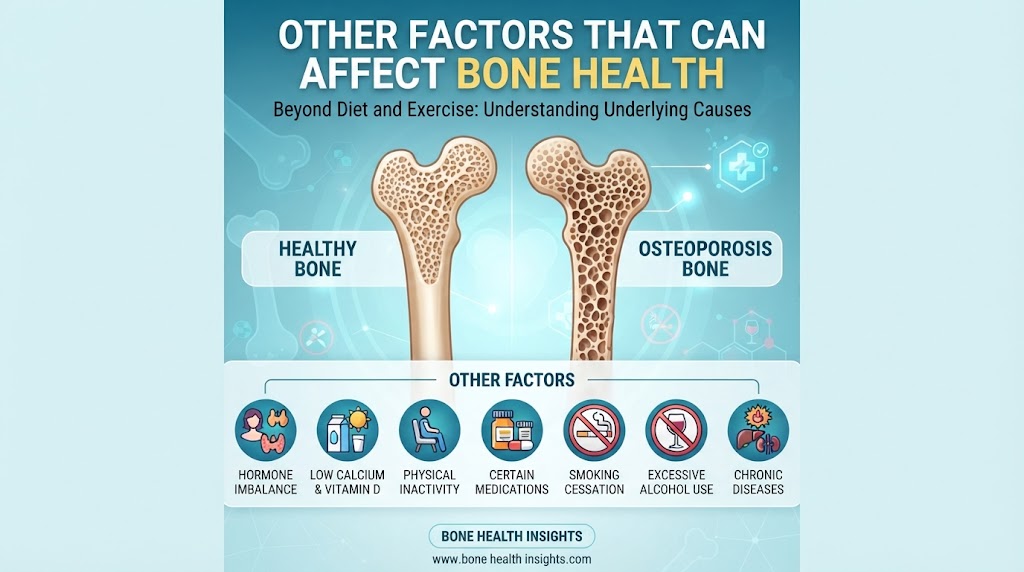
Other Factors That Can Affect Bone Health
Click Here To Watch Video to Treat Osteoporosis Disease Naturally!..
The risk of osteoporosis often results from several factors working together rather than one single cause.
For example, an older adult may have several risk factors at the same time, such as low vitamin D, limited exercise, low body weight, and long-term medication use.
Other factors that may influence bone health include:
- Frequent falls
- Poor balance
- Inadequate nutrition
- Reduced muscle strength
- Early menopause
- Certain digestive problems
- Long-term inactivity
- Previous fractures
Knowing your combination of risk factors can help you and your healthcare professional decide whether screening or preventive measures are appropriate.
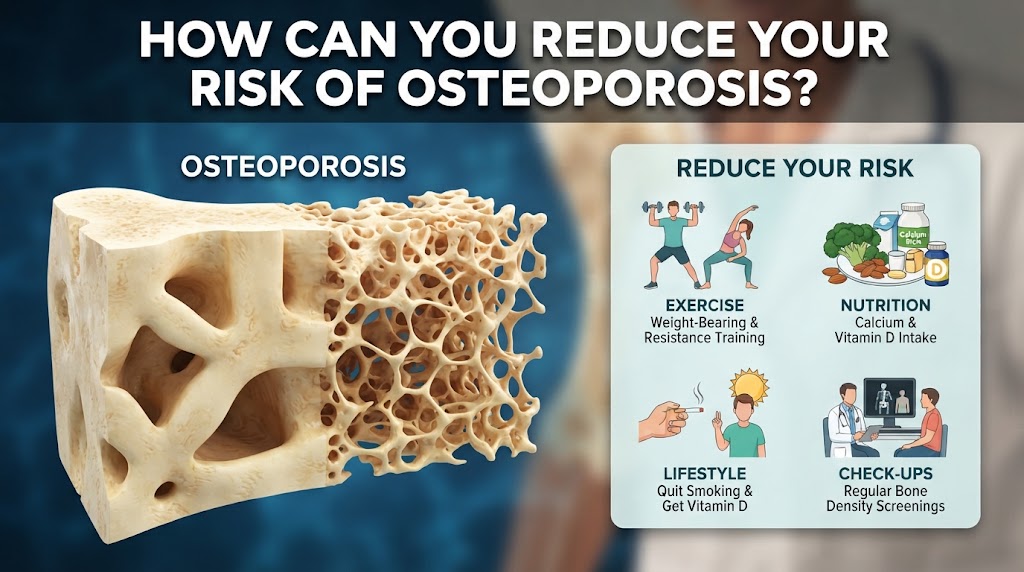
How Can You Reduce Your Risk of Osteoporosis?
Click Here To Watch Video to Treat Osteoporosis Disease Naturally!..
You cannot change every osteoporosis risk factor, but many bone-protective habits are within your control.
Eat a Bone-Friendly Diet
Choose a varied diet containing adequate calcium, protein, vitamin D, fruits, vegetables, and other essential nutrients.
Stay Physically Active
Regular weight-bearing and resistance exercises can support bones and muscles. Balance exercises may also help reduce the risk of falls.
Avoid Smoking
If you smoke, quitting can benefit your bones as well as your heart, lungs, and overall health.
Limit Excessive Alcohol
Avoid heavy alcohol consumption and discuss your drinking habits with a healthcare professional if you are concerned.
Maintain a Healthy Weight
Both very low body weight and poor nutrition can contribute to bone problems. Focus on sustainable eating habits rather than extreme diets.
Review Long-Term Medications
Never stop prescribed medication on your own. Instead, ask your healthcare professional whether a medication could affect your bones and whether preventive measures are needed.
Consider Bone-Density Testing
A bone-density test, commonly called a DXA or DEXA scan, can measure bone mineral density. Testing is recommended for certain age groups and people with specific risk factors.
Your healthcare professional can determine when testing is appropriate based on your age, sex, medical history, medications, and fracture risk.
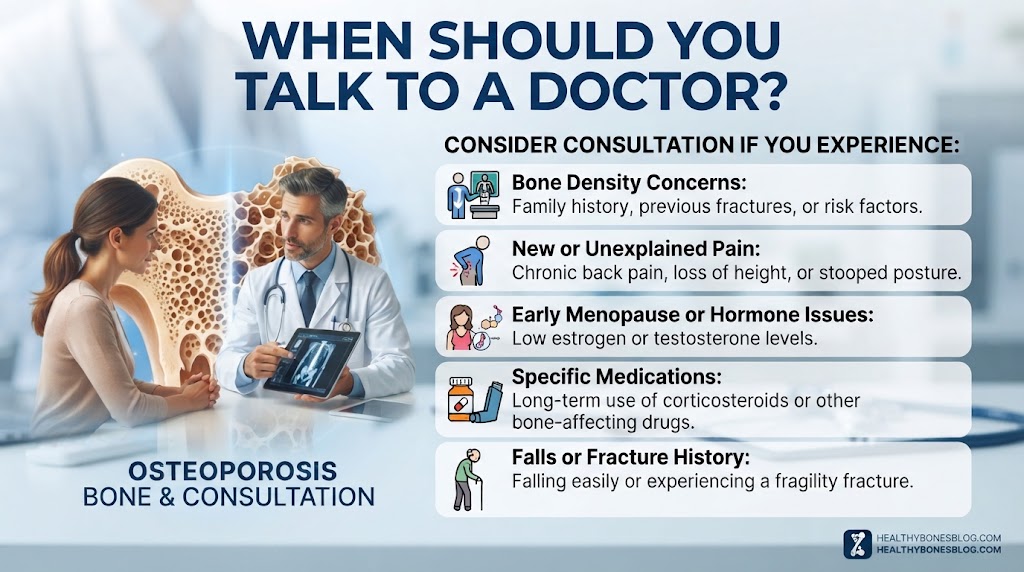
When Should You Talk to a Doctor?
Click Here To Watch Video to Treat Osteoporosis Disease Naturally!..
Consider discussing osteoporosis with a healthcare professional if you:
- Have had a fracture after a minor fall or injury
- Have a strong family history of osteoporosis or hip fracture
- Have gone through early menopause
- Take corticosteroids long-term
- Have very low body weight
- Have a condition known to affect bone health
- Have significant height loss or changes in posture
- Have persistent back pain that could be related to a vertebral fracture
- Have other concerns about your bone health
Early evaluation can help identify bone loss before a serious fracture occurs.
Final Thoughts
Osteoporosis usually develops through a combination of factors rather than one single cause. Aging, hormonal changes, family history, low calcium or vitamin D intake, inactivity, smoking, excessive alcohol, low body weight, certain medications, and medical conditions can all contribute to weaker bones.
Some risk factors cannot be changed, but many lifestyle-related factors can be improved. Eating a nutritious diet, staying physically active, maintaining a healthy weight, avoiding tobacco, limiting excessive alcohol, and managing medical conditions can support long-term bone health.
If you have multiple risk factors or have already experienced a fracture, speak with a healthcare professional about whether bone-density testing or osteoporosis treatment is appropriate.
Medical Disclaimer: This article is for general educational purposes only and is not a substitute for professional medical advice, diagnosis, or treatment. If you are concerned about osteoporosis, bone loss, fractures, medications, or nutritional needs, consult a qualified healthcare professional.