Osteoporosis is a condition that causes bones to become less dense and more fragile, increasing the likelihood of fractures. Unlike many health problems, osteoporosis can develop quietly for years without obvious symptoms. Some people discover they have weakened bones only after breaking a wrist, hip, spine, or another bone following a relatively minor fall.
Although osteoporosis becomes more common with age, aging is only one part of the picture. Genetics, hormones, nutrition, physical activity, medications, lifestyle habits, and certain medical conditions can all influence bone strength.
Understanding the risk factors for osteoporosis can help you recognize potential problems early and discuss appropriate prevention or screening with a healthcare professional.
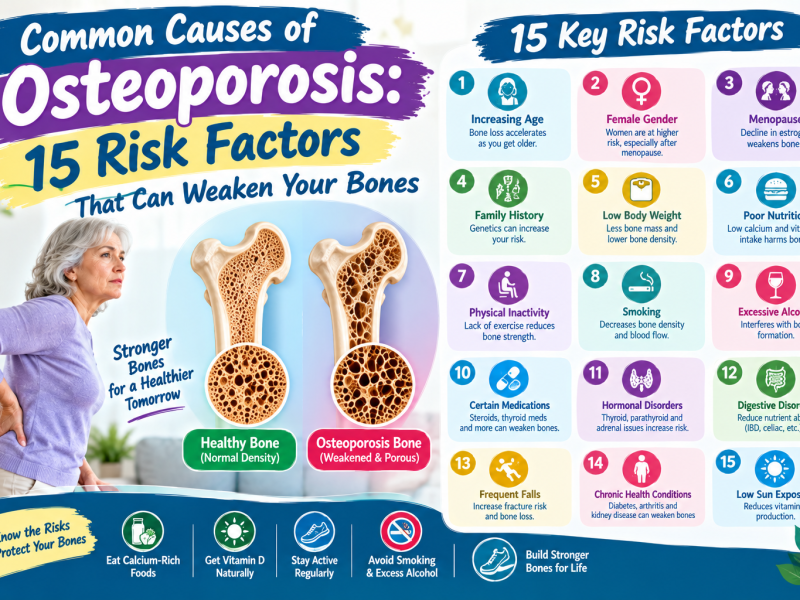
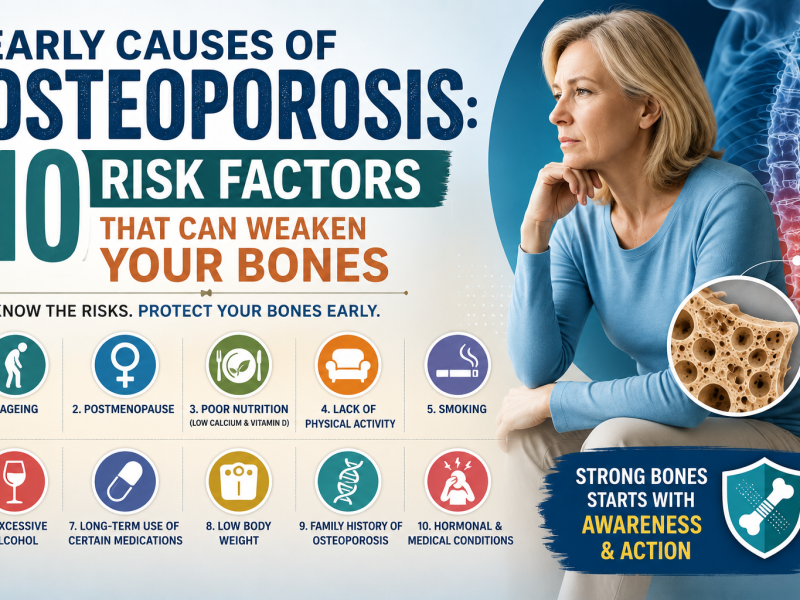
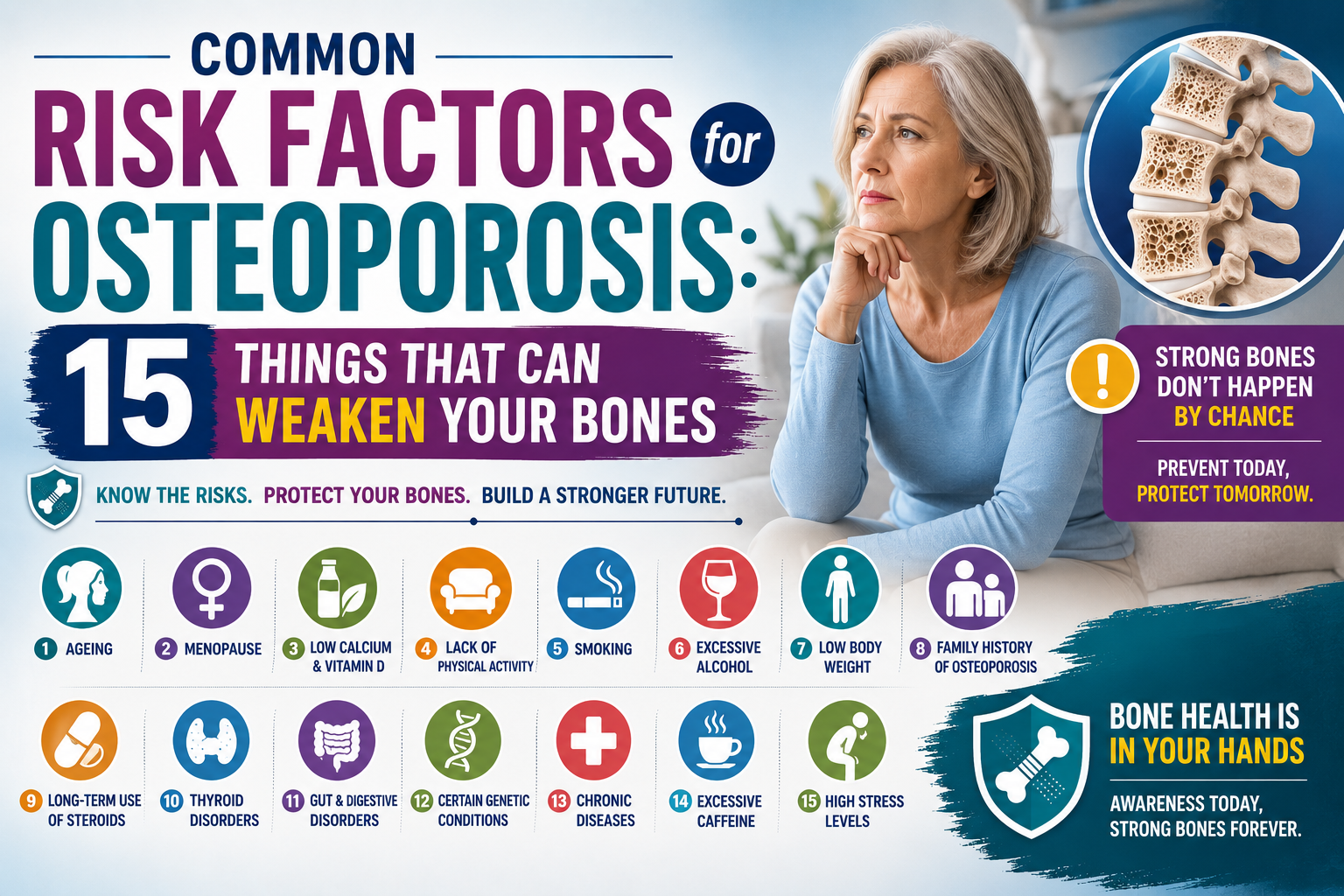
Here are 15 common risk factors that can weaken your bones and increase your risk of osteoporosis.
Click Here To Watch Video to Treat Osteoporosis Disease Naturally!..
1. Increasing Age
Getting older is one of the most important risk factors for osteoporosis. Bone is living tissue that is continuously broken down and rebuilt. As people age, the balance between bone breakdown and formation can shift, causing gradual loss of bone density.
Bone loss may become more noticeable later in adulthood. The risk of fractures also increases with age because changes in muscle strength, balance, vision, and mobility can make falls more likely.
While you cannot stop aging, you can take steps to support bone health throughout life through appropriate exercise, good nutrition, avoiding smoking, and managing other risk factors.
2. Menopause and Reduced Estrogen
Hormonal changes can have a significant effect on bone health.
In women, estrogen helps maintain bone tissue. During menopause, estrogen levels fall substantially, which can accelerate bone loss. Women who experience menopause earlier than expected may have an increased risk because they spend more years with lower estrogen levels.
Other hormonal problems can also affect bone health. For example, certain conditions involving the thyroid, parathyroid glands, or reproductive hormones may contribute to bone loss.
If you experience early menopause or have concerns about hormonal health, talk with your healthcare professional about your individual osteoporosis risk.
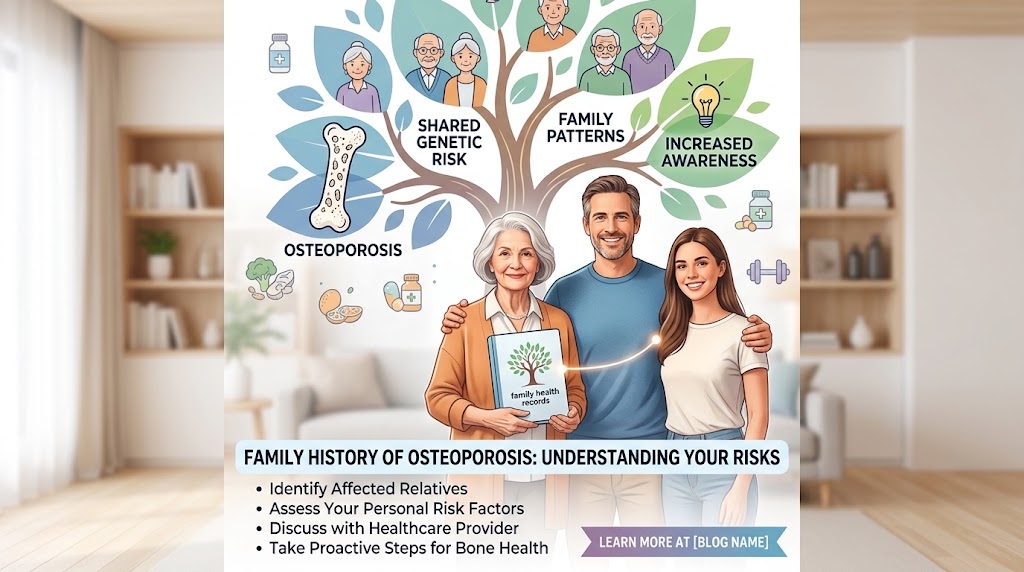
3. Family History of Osteoporosis
Click Here To Watch Video to Treat Osteoporosis Disease Naturally!..
Genetics can influence bone density and fracture risk.
Having a parent or close relative with osteoporosis may increase your likelihood of developing the condition. A particularly important family-history factor is having a parent who experienced a hip fracture.
Family history does not guarantee that you will develop osteoporosis. However, it can help healthcare professionals determine your overall risk.
If osteoporosis or hip fractures are common in your family, mention this during routine medical visits. Your doctor may consider your family history when deciding whether bone-density testing or additional prevention strategies are appropriate.
4. Previous Bone Fractures
A previous fracture can be an important warning sign of reduced bone strength.
If you have broken a bone after a relatively minor fall or injury, particularly after middle age, your healthcare professional may want to investigate whether osteoporosis contributed to the fracture.
Certain fractures, such as those involving the hip, spine, or wrist, can be associated with osteoporosis.
Having one fragility fracture can also increase the risk of experiencing another fracture in the future. For this reason, a fracture should not always be treated as an isolated accident.
Ask your healthcare professional whether you need a bone-health evaluation following a low-trauma fracture.
5. Low Calcium Intake
Calcium is a major mineral found in bones and plays an essential role in maintaining skeletal strength.
When dietary calcium intake is consistently inadequate, the body has mechanisms to maintain calcium levels in the bloodstream, including drawing calcium from bones. Over time, inadequate calcium intake may contribute to reduced bone strength.
Calcium-rich foods include dairy products, calcium-fortified foods and beverages, some leafy green vegetables, tofu made with calcium, and certain fish eaten with their bones.
The amount of calcium you need depends on factors such as age and sex. Rather than automatically taking supplements, discuss your dietary intake and individual needs with a healthcare professional.
6. Vitamin D Deficiency
Vitamin D helps the body absorb calcium and plays an important role in bone metabolism.
Low vitamin D levels can interfere with calcium absorption and contribute to poor bone health. People may be at risk of inadequate vitamin D because of limited sun exposure, dietary factors, certain medical conditions, or problems with absorption.
Some foods contain vitamin D, while fortified foods and supplements may also be used when appropriate.
If you are concerned about vitamin D deficiency, your healthcare professional can determine whether testing or supplementation is appropriate.
Avoid taking very high doses of vitamin D without professional guidance, as excessive intake can also cause health problems.
7. Physical Inactivity
Bones respond to mechanical stress. Regular weight-bearing and resistance exercise can help maintain bone and muscle strength.
A sedentary lifestyle may contribute to weaker bones and reduced muscle function. Reduced muscle strength can also affect balance and mobility, potentially increasing fall risk.
Walking, stair climbing, dancing, resistance training, and other appropriate activities can support skeletal health.
You do not need to exercise intensely every day to benefit your bones. Consistent physical activity is more important than occasional extreme workouts.
If you have osteoporosis or a history of fractures, seek professional advice before starting a new exercise routine.
8. Smoking
Smoking is an important modifiable risk factor for osteoporosis.
Tobacco use can interfere with normal bone remodeling and is associated with reduced bone density and increased fracture risk. Smoking can also affect cardiovascular and respiratory health, potentially reducing physical activity and overall fitness.
Quitting smoking can benefit your health at any age.
If you smoke and want to quit, consider speaking with a healthcare professional about evidence-based cessation options. A structured approach can make quitting more achievable than trying to manage the process alone.
9. Excessive Alcohol Consumption
Heavy alcohol consumption can negatively affect bone health and increase fracture risk.
Excessive alcohol may interfere with bone formation, nutrition, and hormone function. It can also increase the risk of falls, which can be especially dangerous for people with low bone density.
Alcohol can sometimes replace nutritious foods in the diet, making it harder to obtain sufficient calcium, vitamin D, protein, and other nutrients.
Reducing excessive alcohol intake can therefore support both bone health and general well-being.
If you are concerned about your alcohol consumption, discuss it with a healthcare professional.
10. Long-Term Corticosteroid Use
Certain medications can contribute to bone loss. One of the best-known examples is long-term use of corticosteroids, such as prednisone.
Corticosteroids can reduce bone formation and increase bone breakdown. They may also interfere with calcium metabolism and contribute to muscle weakness.
People who require long-term corticosteroid treatment may therefore need special attention to bone health.
Importantly, never stop a prescribed corticosteroid suddenly without medical advice. If you take corticosteroids for a chronic condition, ask your healthcare professional whether you need bone-density monitoring, nutritional support, lifestyle measures, or preventive treatment.
Other medications can also affect bone health, so always discuss long-term medication use with your doctor.
11. Being Underweight
Very low body weight is associated with an increased risk of low bone density and fractures.
Being significantly underweight may reflect inadequate nutrition, chronic illness, digestive problems, or other factors that can interfere with bone and muscle health.
A very low body-fat level can also be associated with hormonal changes that may negatively affect bones.
Maintaining a healthy weight through adequate nutrition and physical activity can support both bone and muscle health.
If you are underweight or have difficulty maintaining your weight, consider speaking with a healthcare professional or registered dietitian about a balanced nutritional plan.
12. Certain Medical Conditions
Some medical conditions can increase osteoporosis risk. These are sometimes described as causes of secondary osteoporosis.
Conditions that may affect bone health include certain disorders involving:
- The thyroid
- The parathyroid glands
- The kidneys
- The liver
- The digestive system
- Sex hormones
- Nutrient absorption
Some inflammatory diseases can also increase fracture risk, particularly when they reduce physical activity or require long-term corticosteroid treatment.
If you have a chronic medical condition, ask your healthcare professional whether it could affect your bone density or fracture risk.
Treating an underlying condition may be an important part of protecting bone health.
13. Poor Nutrition and Low Protein Intake
Your bones need more than calcium and vitamin D. A balanced diet provides protein and other nutrients needed for bone structure, muscles, and overall health.
Poor nutrition can occur for many reasons, including restrictive diets, poor appetite, difficulty accessing nutritious foods, digestive problems, or chronic illness.
Insufficient protein can contribute to loss of muscle mass and strength. Because muscles help support movement and stability, maintaining muscle health is also important for reducing falls.
Aim for a balanced diet containing adequate protein, fruits, vegetables, whole grains, and nutrient-rich sources of calcium and vitamin D.
If you follow a restricted diet, professional nutritional guidance can help you avoid important deficiencies.
14. Inactivity or Prolonged Bed Rest
Temporary inactivity is different from simply not exercising regularly. Prolonged immobilization or bed rest can cause bone loss relatively quickly.
Bones need mechanical loading to maintain their strength. When a person spends long periods in bed or cannot put normal weight on the skeleton, bone loss can accelerate.
This can happen after serious illness, surgery, injury, or certain neurological or musculoskeletal conditions.
When medically appropriate, gradually returning to movement and weight-bearing activity can help support recovery. Rehabilitation may be necessary for people who have been immobilized for a long time.
Your healthcare team can recommend safe activity based on your condition.
15. Previous or Ongoing Falls and Poor Balance
Falls do not necessarily weaken bones directly, but they significantly increase the chance of a fracture—especially when bones are already fragile.
Balance problems can result from muscle weakness, vision changes, certain medications, neurological conditions, or reduced mobility.
As people age, preventing falls becomes an important part of osteoporosis management.
Simple measures can help make the home safer. Remove loose rugs and clutter, improve lighting, use handrails on stairs, wear appropriate footwear, and address vision or balance problems.
Strength and balance exercises may also reduce fall risk when performed safely.
How Multiple Risk Factors Add Up

Click Here To Watch Video to Treat Osteoporosis Disease Naturally!..
Osteoporosis rarely has just one cause.
For example, a person may have a family history of osteoporosis but maintain strong bones through good nutrition and regular exercise. Another person may have several risk factors, such as low body weight, smoking, physical inactivity, and long-term corticosteroid use.
The more risk factors you have, the more important it may be to discuss your bone health with a healthcare professional.
Some risk factors can be changed, while others cannot. The goal is not to eliminate every risk but to identify those you can address.
When Should You Consider a Bone Health Check?

Click Here To Watch Video to Treat Osteoporosis Disease Naturally!..
You may want to discuss osteoporosis screening or evaluation with a healthcare professional if you have several risk factors or have experienced a fracture after a minor injury.
A DXA or DEXA scan is commonly used to measure bone mineral density at areas such as the hip and spine.
Your healthcare professional may also consider your age, sex, family history, medications, previous fractures, medical conditions, and overall fracture risk.
Screening recommendations vary according to individual circumstances and national guidelines, so your doctor can help determine when testing is appropriate.
Steps You Can Take to Protect Your Bones

Click Here To Watch Video to Treat Osteoporosis Disease Naturally!..
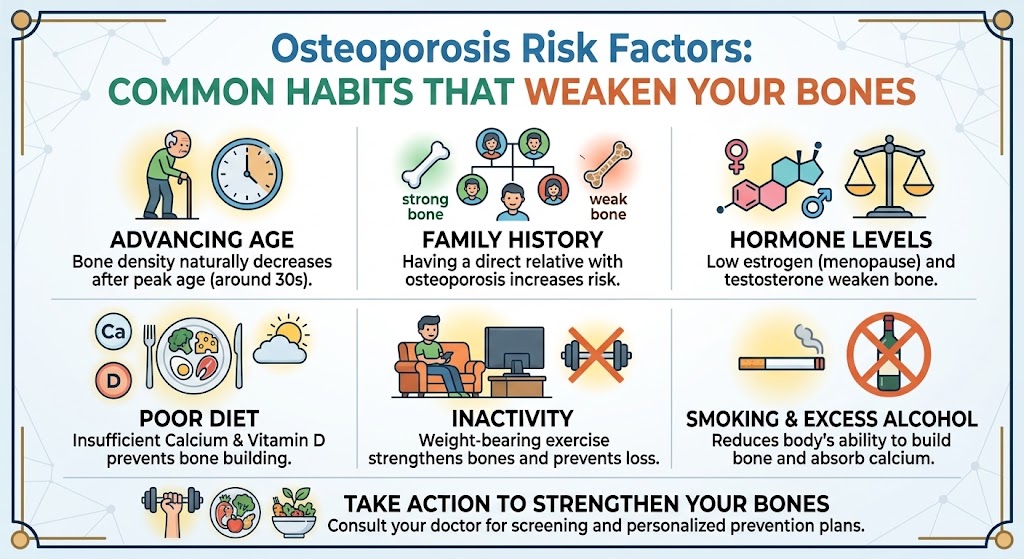
Although you cannot control factors such as age or genetics, many bone-health habits are within your control.
Stay Active
Include appropriate weight-bearing, resistance, and balance exercises in your routine.
Eat a Balanced Diet
Make sure your diet provides adequate calcium, vitamin D, protein, and other essential nutrients.
Avoid Smoking
If you smoke, consider getting professional support to quit.
Limit Excessive Alcohol
Avoid heavy alcohol consumption and discuss your intake with a healthcare professional if you have concerns.
Prevent Falls
Keep your home safe, maintain good lighting, address vision problems, and work on strength and balance.
Review Your Medications
Ask your healthcare professional whether any long-term medications may affect your bone health.
Final Thoughts
Osteoporosis is influenced by many factors, and understanding your personal risk can help you take action before a serious fracture occurs.
The 15 common risk factors discussed here include aging, menopause, family history, previous fractures, inadequate calcium or vitamin D, physical inactivity, smoking, excessive alcohol, long-term corticosteroid use, low body weight, certain medical conditions, poor nutrition, prolonged immobilization, and falls or poor balance.
Not every risk factor can be changed, but many can be managed.
If you are concerned about your bone health, especially if you have multiple risk factors or have experienced a low-trauma fracture, talk with a qualified healthcare professional. Early assessment can help identify low bone density and determine whether lifestyle changes, monitoring, or treatment may be appropriate.