Osteoporosis is a condition that causes bones to become thinner, weaker, and more likely to break. It often develops gradually, and many people do not know they have it until they experience a fracture. While medications can be an important part of osteoporosis treatment for people at higher fracture risk, everyday lifestyle choices also play an important role in maintaining bone strength and reducing the risk of falls and fractures.
The phrase “manage osteoporosis naturally” should not mean replacing prescribed treatment with unproven remedies. Instead, natural management focuses on healthy habits that support bones, muscles, balance, and overall health.
If you have osteoporosis or low bone density, talk with your healthcare professional before making major changes to your exercise program, diet, or supplements.
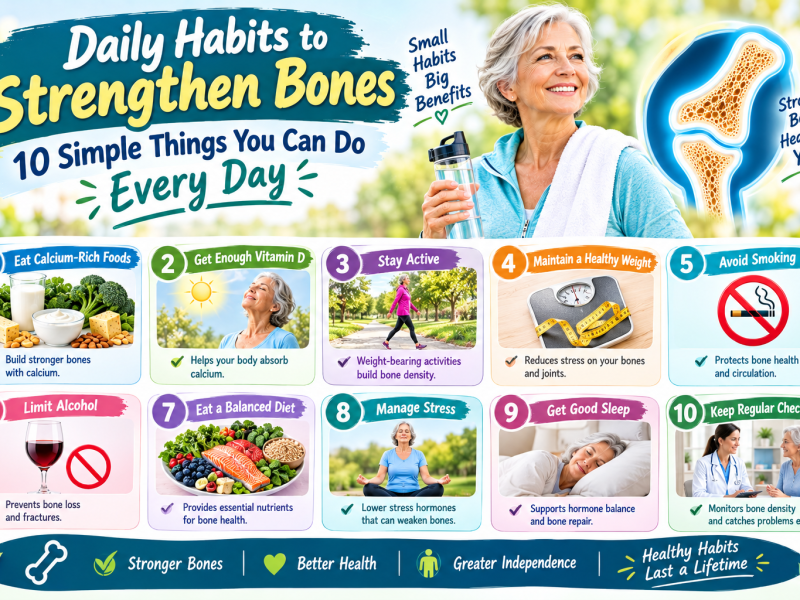
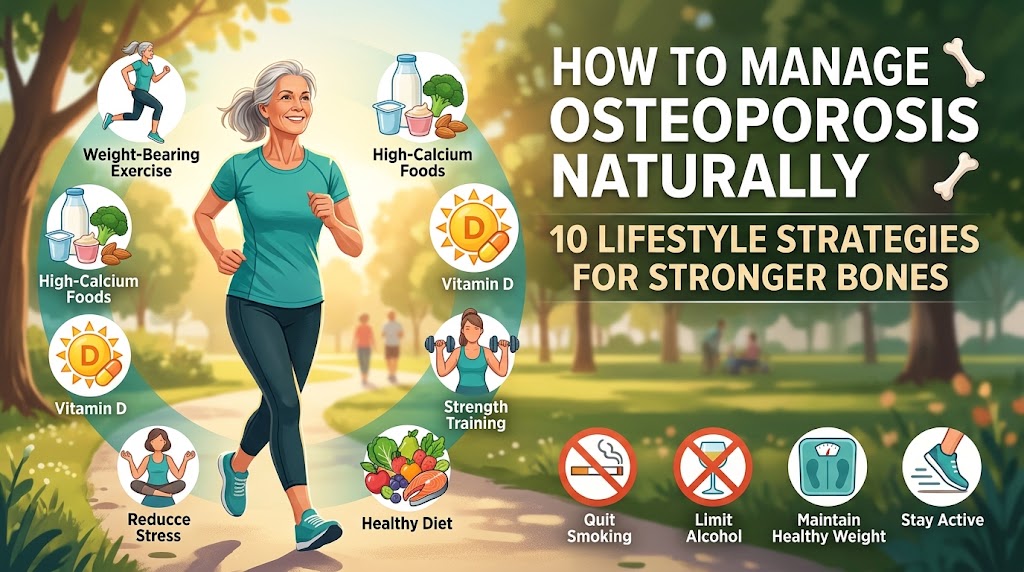
Here are 10 lifestyle strategies that can help support stronger bones and safer aging.

Click Here To Watch Video to Treat Osteoporosis Disease Naturally!..
1. Eat Enough Calcium-Rich Foods
Calcium is one of the key minerals that gives bones their strength and structure. Your body also needs calcium for normal muscle and nerve function.
When calcium intake is consistently inadequate, the body can draw calcium from bones to help maintain calcium levels in the bloodstream. Over time, insufficient calcium intake can contribute to poor bone health.
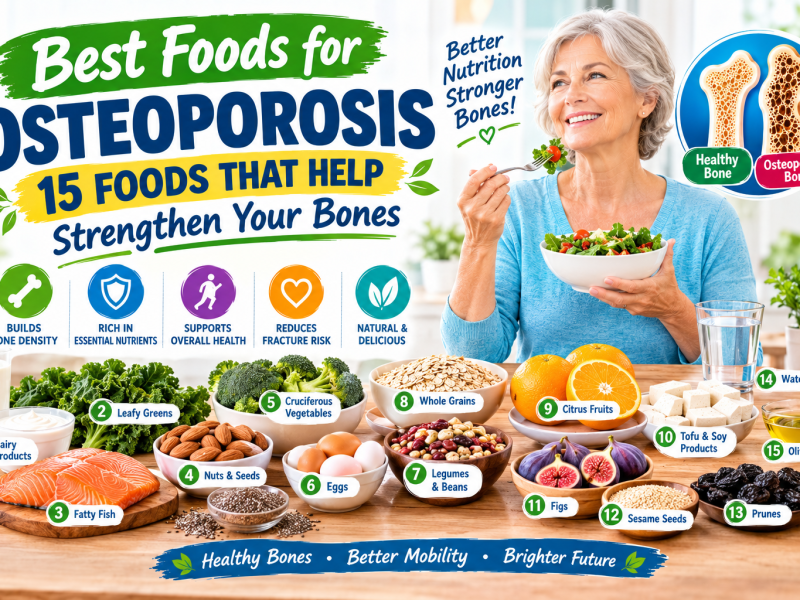
Instead of relying only on supplements, try to obtain calcium through a balanced diet. Foods that can provide calcium include:
- Milk, yogurt, and cheese
- Calcium-fortified plant-based beverages
- Calcium-fortified foods
- Tofu made with calcium
- Some leafy green vegetables
- Canned fish with edible bones
- Certain beans and other calcium-containing foods
Your calcium needs depend on factors such as age and sex. Too much calcium can also be harmful in some circumstances, so avoid taking high-dose supplements without professional guidance.
2. Make Sure You Get Enough Vitamin D
Vitamin D is important because it helps the body absorb calcium and supports normal bone metabolism.
The body can produce vitamin D through exposure to sunlight, while some foods and fortified products also provide it. Vitamin D supplements may be recommended for people who do not get enough through diet or sunlight.
However, more is not always better. Excessive vitamin D supplementation can cause health problems.
If you are concerned about vitamin D deficiency, ask your healthcare professional whether you need a blood test or supplement. Your individual needs may depend on your diet, lifestyle, age, medical conditions, and medications.
Adequate vitamin D works together with sufficient calcium and other nutrients to support healthy bones.
3. Do Weight-Bearing Exercise Regularly
Bones respond to the physical forces placed on them. Weight-bearing exercise can help maintain bone strength while also supporting cardiovascular fitness and mobility.
Examples of weight-bearing activities can include:
- Walking
- Hiking
- Stair climbing
- Dancing
- Low-impact aerobics
- Other activities that require you to support your body weight
The appropriate activity level depends on your bone health and fracture risk.
If you already have osteoporosis, particularly if you have had spinal or other fractures, consult a healthcare professional or physical therapist before beginning high-impact exercise.
Regular movement is generally more useful than occasional intense workouts. Building a sustainable routine can help you stay active over the long term.
4. Add Resistance Training
Resistance exercise is another important component of a bone-friendly lifestyle.
Strength training places controlled stress on muscles and bones. It can help maintain muscle mass and strength, which are especially important as you age.
Exercises can include:
- Resistance-band exercises
- Weight machines
- Free weights
- Body-weight exercises
- Carefully supervised strength exercises
Stronger muscles can also improve stability and make everyday activities easier.
If you have osteoporosis, proper technique is particularly important. Avoid exercises involving forceful spinal bending or twisting unless a qualified professional has determined that they are safe for you.
Start at an appropriate level and increase resistance gradually under professional guidance when necessary.
5. Improve Balance and Prevent Falls
For people with osteoporosis, preventing falls is just as important as maintaining bone density. A fall can turn fragile bones into broken bones.
Balance exercises can help improve stability and confidence with movement. Depending on your abilities, these might include supervised balance exercises, tai chi, or specific physical-therapy activities.
You can also make your home safer by:
- Removing loose rugs and clutter
- Improving lighting
- Keeping walkways clear
- Installing handrails where needed
- Using non-slip surfaces
- Wearing supportive footwear
- Addressing vision problems
- Being cautious on stairs and uneven surfaces
Ask your healthcare professional to review medications that may cause dizziness or drowsiness if falls are a concern.
A comprehensive fall-prevention strategy can be an important part of living safely with osteoporosis.
6. Stop Smoking
Smoking can negatively affect bone health and is associated with increased fracture risk.
Tobacco use can interfere with normal bone remodeling and may also contribute to other health problems that reduce physical activity and overall well-being.
If you smoke, quitting can be one of the most valuable lifestyle changes you can make for your long-term health.
You do not have to quit without support. Healthcare professionals can recommend evidence-based smoking-cessation approaches, including counseling and appropriate medications when needed.
Even if you have smoked for many years, quitting can still provide significant health benefits.
7. Limit Excessive Alcohol Consumption
Heavy alcohol consumption can negatively affect bone health and increase the likelihood of falls.
Excessive alcohol intake may interfere with nutrition, bone formation, muscle function, and balance. It can also increase the risk of accidents and injuries.
If you drink alcohol, avoid excessive consumption and follow appropriate health guidance for your circumstances.
People taking medications or living with medical conditions should discuss alcohol use with their healthcare professional because alcohol can interact with some medicines and health conditions.
Reducing excessive alcohol consumption is therefore useful not only for bone health but also for maintaining overall physical and mental well-being.
8. Eat Enough Protein and Maintain a Balanced Diet
Bones are not made entirely of minerals. They also contain a protein-based framework that contributes to their structure.
Adequate protein intake supports muscles as well as bones. This is particularly important as people age because loss of muscle mass and strength can increase weakness and fall risk.
Build meals around a variety of nutrient-rich foods, such as:
- Eggs
- Fish
- Poultry
- Beans and lentils
- Dairy products
- Nuts and seeds
- Whole grains
- Fruits and vegetables
Avoid extremely restrictive diets unless they are medically necessary and properly planned.
A balanced diet also helps provide nutrients involved in bone health, including magnesium, vitamin K, phosphorus, and other vitamins and minerals.
If you have difficulty eating enough, have an unusually low body weight, or follow a restrictive diet, consider seeking advice from a registered dietitian.
9. Maintain a Healthy Body Weight
Both very low body weight and poor nutritional status can be associated with reduced bone strength and increased fracture risk.
Being significantly underweight may indicate that your body is not receiving enough calories, protein, vitamins, or minerals. It can also be associated with reduced muscle mass.
The goal is not to pursue extreme weight loss. Instead, aim for a healthy, sustainable weight supported by nutritious food and regular physical activity.
If you are overweight, speak with a healthcare professional about safe weight-management strategies. If you are underweight or unintentionally losing weight, seek medical advice to identify possible underlying causes.
Maintaining muscle while managing body weight is particularly important for older adults.
10. Follow Your Osteoporosis Treatment and Monitoring Plan
Lifestyle strategies can support bone health, but they should not automatically replace osteoporosis medication when medication has been recommended.
Some people with osteoporosis have a high enough fracture risk that medication is an important part of treatment. Depending on the individual situation, healthcare professionals may prescribe medicines that slow bone loss or help strengthen bones.
If you have been prescribed osteoporosis medication:
- Take it according to your healthcare professional’s instructions.
- Do not stop it without discussing the decision with your doctor.
- Ask about possible side effects or medication interactions.
- Attend recommended follow-up appointments.
- Ask whether repeat bone-density testing is appropriate.
- Discuss calcium and vitamin D intake.
Lifestyle measures and medical treatment can work together. The best approach depends on your fracture risk and overall health.
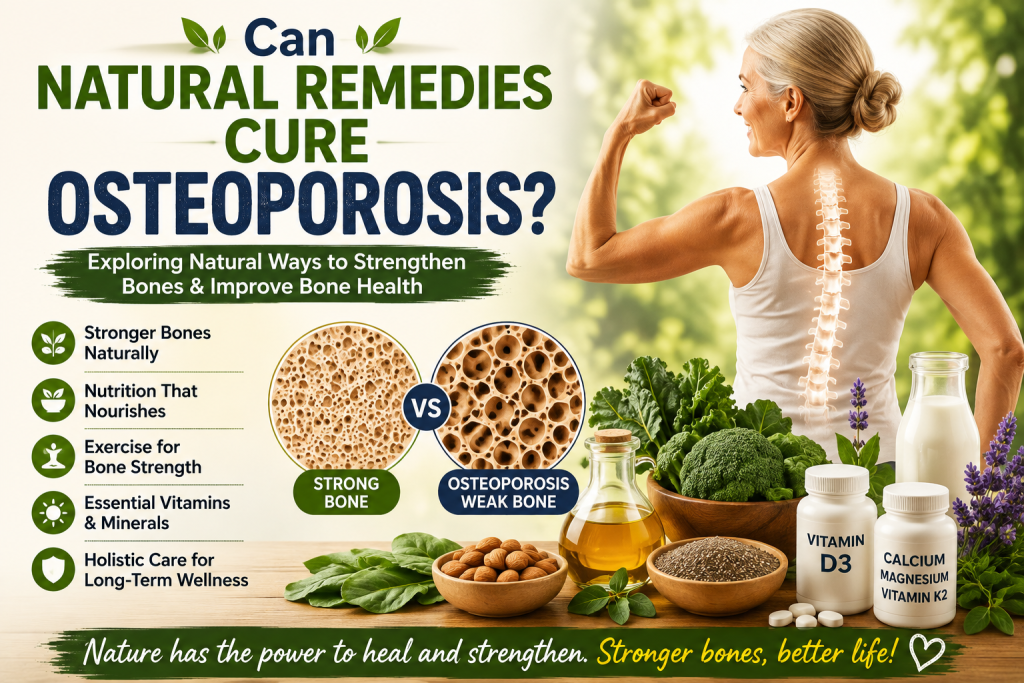
Can Natural Remedies Cure Osteoporosis?
Click Here To Watch Video to Treat Osteoporosis Disease Naturally!..
There is an important distinction between supporting bone health naturally and curing osteoporosis with natural remedies.
There is currently no lifestyle trick or food that can reliably reverse established osteoporosis on its own. Healthy habits can support bone and muscle health, but they should not be presented as a replacement for evidence-based medical treatment.
Be cautious with products marketed as “natural osteoporosis cures,” especially when they promise rapid bone rebuilding or claim that prescription treatment is unnecessary.
Supplements can also have risks. Some nutrients can interact with medications or cause harm when taken in excessive amounts.
Before using herbal products, high-dose vitamins, or mineral supplements, discuss them with your healthcare professional.
A Simple Daily Bone-Health Routine

Click Here To Watch Video to Treat Osteoporosis Disease Naturally!..
Managing osteoporosis does not require making dozens of changes at once. A simple routine can make healthy habits easier to maintain.
For example, you might:
Morning: Eat a nutritious breakfast containing protein and a calcium-rich food.
Daytime: Take a walk or perform another appropriate weight-bearing activity.
Several times per week: Perform supervised resistance exercises.
Throughout the day: Choose balanced meals containing vegetables, fruits, whole grains, protein, and calcium-rich foods.
Evening: Keep your home well lit and walkways free of clutter to reduce fall hazards.
Most importantly, choose activities that are safe and realistic for your current health and fitness level.
When Should You Talk to a Healthcare Professional?

Click Here To Watch Video to Treat Osteoporosis Disease Naturally!..
Talk with a healthcare professional if you have been diagnosed with osteoporosis, have low bone density, have experienced a fracture after a minor injury, or have several osteoporosis risk factors.
You should also seek medical advice before beginning a new exercise program if you have severe osteoporosis, previous fractures, significant back pain, or other medical conditions affecting movement.
A healthcare professional can help determine whether you need:
- A DXA/DEXA bone-density scan
- Fracture-risk assessment
- Blood tests
- Nutritional evaluation
- Exercise or physical-therapy guidance
- Prescription osteoporosis treatment
- Fall-risk assessment
Early evaluation can help you make informed decisions before another fracture occurs.
Final Thoughts
Managing osteoporosis naturally is primarily about building habits that support bones, muscles, balance, and overall health.
The 10 strategies discussed in this article include eating enough calcium, getting adequate vitamin D, performing weight-bearing and resistance exercises, improving balance, preventing falls, avoiding smoking, limiting excessive alcohol, eating enough protein, maintaining a healthy body weight, and following your medical treatment plan.
These habits can be valuable whether you have osteoporosis, osteopenia, or simply want to protect your bones as you age.
However, lifestyle measures should not be confused with a cure. If you have osteoporosis or a high risk of fracture, work with a qualified healthcare professional to create a comprehensive plan that combines appropriate lifestyle measures with medical treatment when necessary.
Medical disclaimer: This article is for general educational purposes only and does not replace professional medical advice, diagnosis, or treatment. Always consult a qualified healthcare professional before changing medications, starting supplements, or beginning a new exercise program, particularly if you have osteoporosis or a history of fractures.