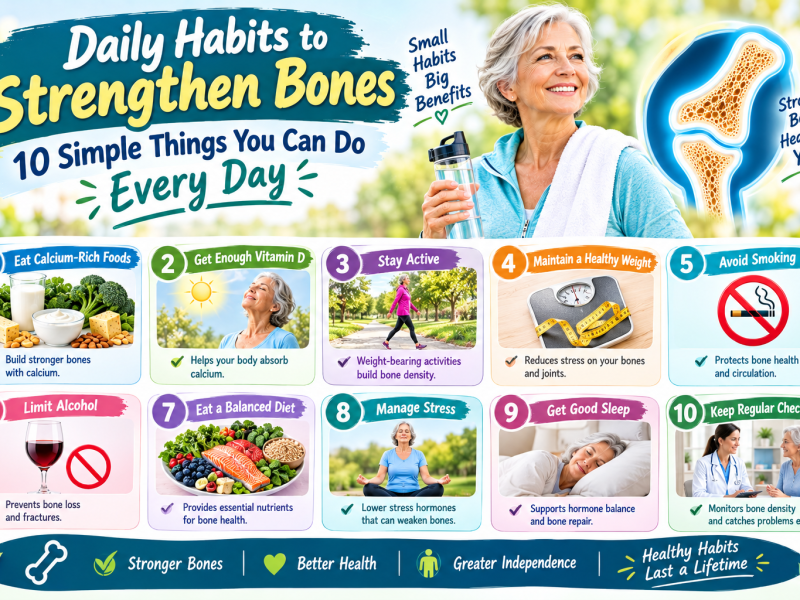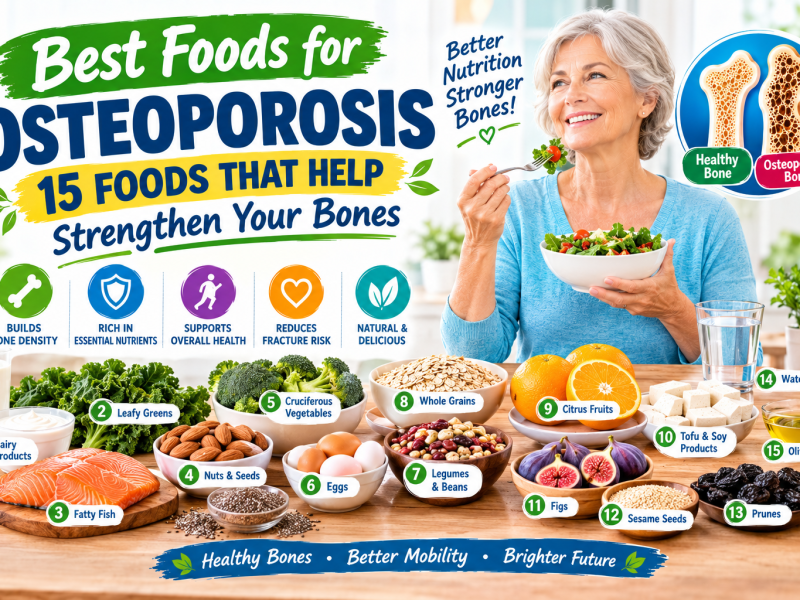
Nutrition plays an important role in maintaining healthy bones throughout life. While no single food can prevent or cure osteoporosis, a balanced diet can provide nutrients your body needs to maintain bone tissue, support muscles, and reduce some factors associated with fracture risk.
An osteoporosis-friendly diet generally focuses on calcium, vitamin D, protein, fruits, vegetables, whole grains, and other nutrient-rich foods. It also emphasizes limiting excessive alcohol and avoiding highly restrictive diets that may leave you short of important nutrients.
If you have osteoporosis, osteopenia, kidney disease, food allergies, or other medical conditions, your nutritional needs may be different. A healthcare professional or registered dietitian can help personalize your meal plan.
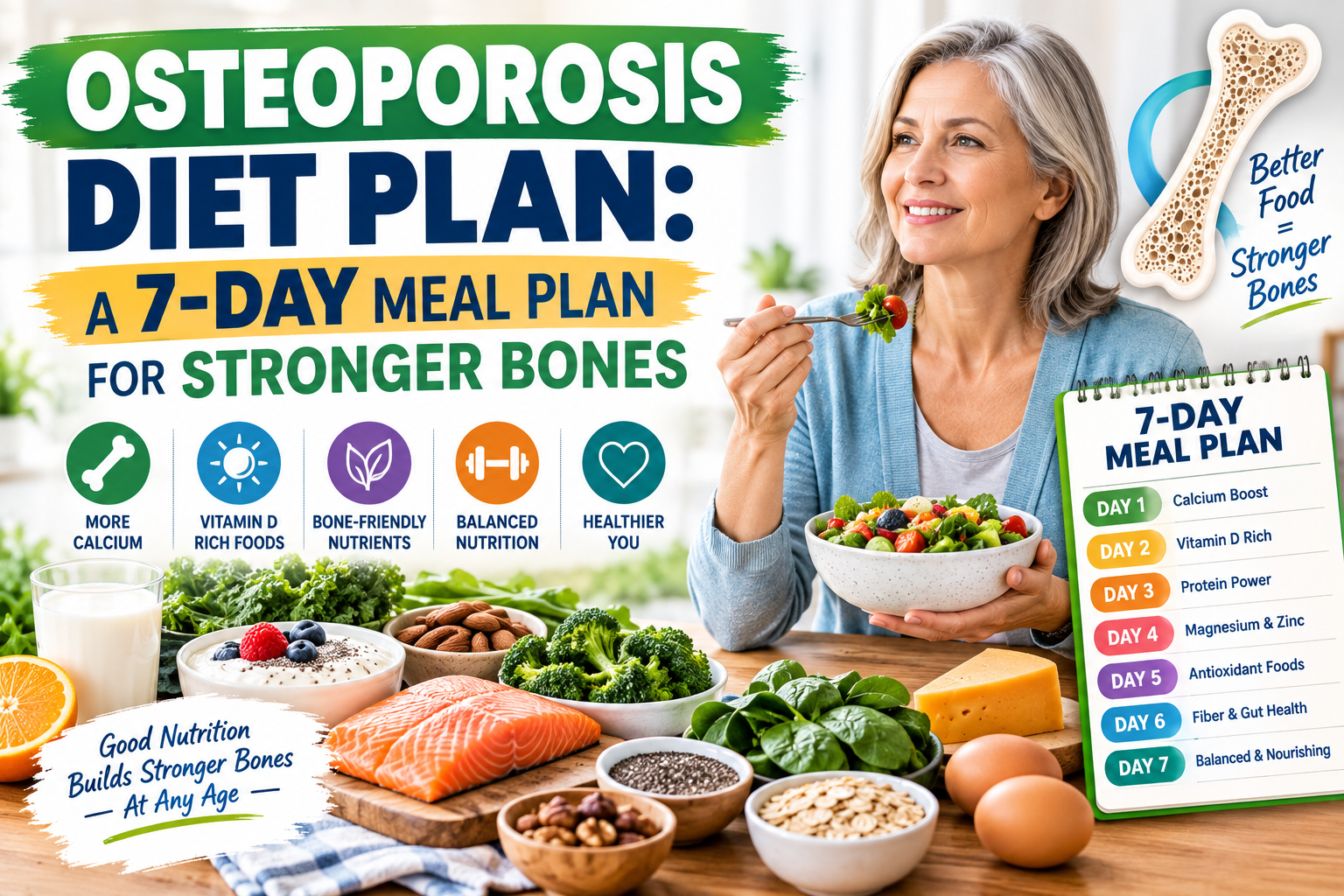
Below is a practical 7-day osteoporosis diet plan designed around a variety of bone-supporting foods.
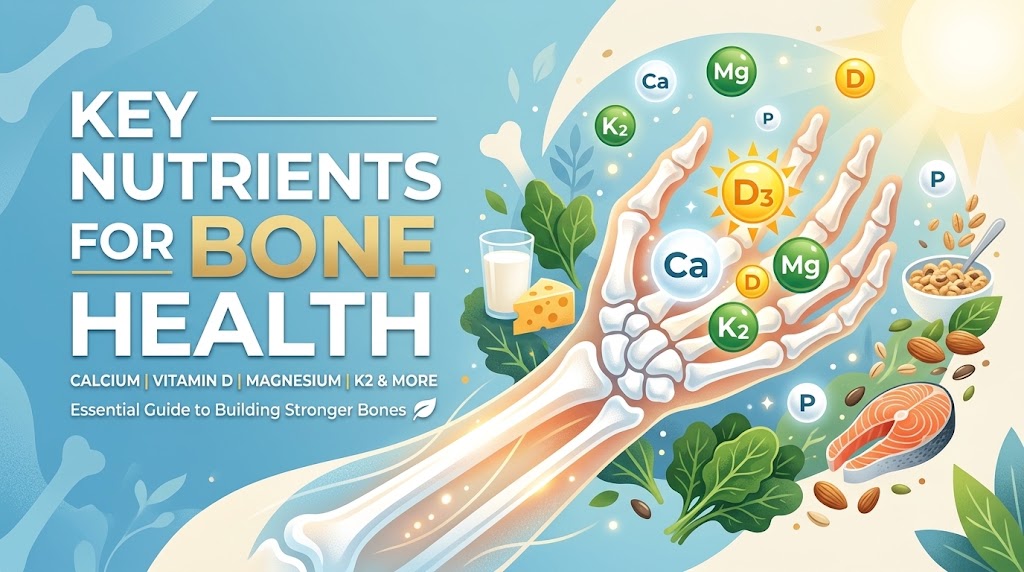
Key Nutrients for Bone Health
Click Here To Watch Video to Treat Osteoporosis Disease Naturally!..
Before looking at the meal plan, it helps to understand which nutrients deserve attention.
Calcium
Calcium is a major structural component of bone. Dairy products, calcium-fortified foods, tofu made with calcium, some leafy greens, and fish with edible bones can contribute calcium to your diet.
Your daily calcium needs depend on factors such as your age and sex. Getting calcium primarily from food is often preferred when possible, while supplements may be appropriate for some people.
Vitamin D
Vitamin D helps the body absorb calcium and supports normal bone metabolism. Sources include fatty fish, egg yolks, fortified foods, and appropriately managed sun exposure.
Some people may need vitamin D supplements, particularly when dietary intake or vitamin D status is inadequate. Ask your healthcare professional before taking high-dose supplements.
Protein
Protein provides the building blocks needed for muscles and contributes to the organic structure of bone. Maintaining muscle strength is particularly important as you age because stronger muscles can support mobility and help reduce fall risk.
Good protein sources include fish, eggs, poultry, beans, lentils, yogurt, milk, tofu, nuts, and seeds.
Magnesium and Other Nutrients
Bone health depends on more than calcium and vitamin D. Magnesium, phosphorus, vitamin K, potassium, and other nutrients are also involved in normal bone metabolism.
A varied diet containing vegetables, fruits, legumes, whole grains, nuts, seeds, and protein-rich foods can help provide these nutrients.
7-Day Osteoporosis-Friendly Meal Plan

Click Here To Watch Video to Treat Osteoporosis Disease Naturally!..
This meal plan is an example rather than a medically prescribed diet. Portion sizes should be adjusted according to your age, activity level, nutritional needs, and health goals.
Day 1
Breakfast
- Oatmeal prepared with milk or calcium-fortified plant milk
- Chopped banana
- A small handful of walnuts
- One boiled egg
Oats provide fiber and minerals, while milk or fortified plant milk can contribute calcium and vitamin D depending on the product.
Lunch
- Grilled chicken and vegetable salad
- Mixed leafy greens, tomatoes, cucumber, and carrots
- Chickpeas
- Whole-grain bread
- Yogurt
The combination provides protein, calcium, fiber, and a variety of vitamins and minerals.
Snack
- Apple
- A small handful of almonds
Dinner
- Baked salmon
- Steamed broccoli
- Brown rice
- Plain yogurt with berries
Salmon provides protein and vitamin D, while broccoli and yogurt add additional nutrients.
Day 2
Breakfast
- Two eggs scrambled with spinach and tomatoes
- Whole-grain toast
- A glass of milk or fortified plant beverage
- Orange
Eggs provide protein, while milk or a fortified alternative can provide calcium.
Lunch
- Lentil soup
- Whole-grain roti or bread
- Cucumber and tomato salad
- Plain yogurt
Lentils provide plant-based protein and other minerals. Yogurt can contribute calcium and protein.
Snack
- Yogurt with sliced fruit
- A few pumpkin seeds
Dinner
- Grilled chicken
- Roasted vegetables such as carrots, cauliflower, and peppers
- Quinoa or brown rice
- Leafy green salad
This meal provides protein and a wide variety of plant nutrients.
Day 3
Breakfast
- Plain Greek yogurt
- Oats
- Berries or seasonal fruit
- Chia seeds
- A small handful of almonds
Greek yogurt can be a convenient source of protein and calcium.
Lunch
- Chickpea and vegetable salad
- Whole-grain roti
- Yogurt-based dressing
- Fresh fruit
Chickpeas provide protein and fiber, while yogurt adds calcium.
Snack
- A boiled egg
- Fresh fruit
Dinner
- Baked or grilled fish
- Sauteed spinach
- Sweet potato
- Lentil or bean salad
Leafy greens and legumes provide a range of nutrients that complement the protein from fish.
Day 4
Breakfast
- Whole-grain toast
- Peanut or almond butter
- Boiled egg
- Glass of milk or fortified plant beverage
- Seasonal fruit
Nuts and nut butters provide healthy fats and minerals, while the egg and milk contribute protein.
Lunch
- Chicken and vegetable whole-grain wrap
- Lettuce, tomato, cucumber, and carrots
- Plain yogurt
- Fruit
Choose minimally processed ingredients and keep added salt and sugar moderate.
Snack
- Apple or pear
- A handful of walnuts
Dinner
- Bean and vegetable curry
- Brown rice or whole-grain roti
- Cucumber-yogurt raita
- Mixed vegetable salad
Beans provide plant-based protein and fiber, while yogurt contributes calcium.
Day 5
Breakfast
- Vegetable omelet with eggs, spinach, onions, and tomatoes
- Whole-grain toast
- Milk or fortified plant beverage
- Fresh fruit
This breakfast provides protein and several important micronutrients.
Lunch
- Grilled fish or chicken
- Brown rice
- Mixed vegetables
- Yogurt
Choose cooking methods such as grilling, baking, or steaming rather than deep frying.
Snack
- Plain yogurt
- Berries or another seasonal fruit
- A few almonds
Dinner
- Lentil and vegetable soup
- Whole-grain roti
- Green salad
- Small serving of cottage cheese or another calcium-rich food
This combination provides protein, fiber, and calcium-containing foods.
Day 6
Breakfast
- Oatmeal with milk or fortified plant milk
- Chopped apple
- Cinnamon
- Chia or flax seeds
- Boiled egg
This meal combines whole grains, protein, healthy fats, and calcium.
Lunch
- Homemade chickpea or bean bowl
- Brown rice or quinoa
- Spinach, tomatoes, cucumber, and carrots
- Plain yogurt
A variety of vegetables increases the meal’s overall nutrient content.
Snack
- Fresh fruit
- Small handful of mixed nuts
Dinner
- Baked salmon or another oily fish
- Steamed broccoli
- Roasted sweet potato
- Green salad
Oily fish can provide vitamin D and omega-3 fats, while vegetables contribute vitamins, minerals, and fiber.
Day 7
Breakfast
- Greek yogurt with oats
- Banana or berries
- Chia seeds
- Small handful of walnuts
This provides protein, calcium, fiber, and healthy fats.
Lunch
- Chicken, lentil, or bean soup
- Whole-grain bread or roti
- Mixed salad
- Fruit
Snack
- Milk or fortified plant beverage
- A piece of fruit
Dinner
- Grilled chicken or tofu
- Brown rice or quinoa
- Steamed leafy greens and other vegetables
- Yogurt
End the week with a balanced meal containing protein, calcium, and a variety of plant foods.
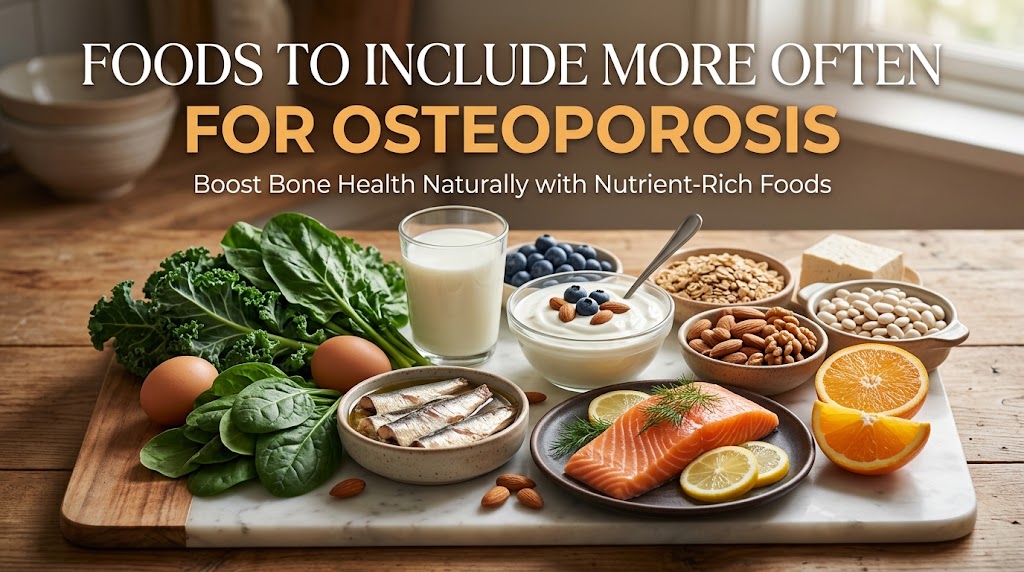
Foods to Include More Often
Click Here To Watch Video to Treat Osteoporosis Disease Naturally!..
A bone-friendly diet does not need to be complicated. Focus on regularly including nutrient-rich foods such as:
Dairy and Fortified Foods
Milk, yogurt, cheese, and calcium-fortified plant beverages can provide calcium. Check food labels because nutrient content varies among products.
Fish
Salmon, sardines, and other fish can provide protein and, depending on the variety, vitamin D and other nutrients.
Beans and Lentils
Beans, chickpeas, and lentils provide protein, fiber, and minerals.
Leafy Green Vegetables
Spinach, kale, broccoli, and other vegetables can contribute several vitamins and minerals. Calcium absorption varies among different vegetables, so variety is useful.
Nuts and Seeds
Almonds, walnuts, chia seeds, and other nuts and seeds provide healthy fats, protein, and minerals.
Fruits and Whole Grains
Fruits, oats, brown rice, whole-grain bread, and other minimally processed foods provide fiber and a broad range of nutrients.
Foods and Habits to Limit

Click Here To Watch Video to Treat Osteoporosis Disease Naturally!..
An osteoporosis-friendly diet is not only about what you add. Some dietary habits may be worth limiting.
Excessive Alcohol
Heavy alcohol consumption can negatively affect bone health and increase the risk of falls. Limiting excessive alcohol is an important part of fracture prevention.
Highly Processed Foods
Occasional processed foods can fit into a balanced diet, but relying heavily on foods high in added sugars, saturated fats, and sodium may make it harder to meet your nutritional needs.
Excessive Salt
A consistently high-sodium diet can increase urinary calcium losses in some circumstances. Choosing fresh foods more often and limiting heavily salted processed foods can help maintain a balanced diet.
Sugary Drinks
Soft drinks and other sugary beverages can add calories without providing many nutrients. Water, milk, and appropriate fortified beverages may be more nutritious everyday choices.
Does Coffee Cause Osteoporosis?

Click Here To Watch Video to Treat Osteoporosis Disease Naturally!..
Coffee and other caffeinated beverages do not automatically cause osteoporosis. However, very high caffeine intake may affect calcium balance, particularly when overall calcium intake is inadequate.
If you drink coffee or tea, focus on moderation and make sure your overall diet provides sufficient calcium and other nutrients.
For example, milk can be added to coffee or tea, or calcium-rich foods can be included elsewhere in the day.
Do You Need Calcium Supplements?
Not everyone with osteoporosis needs a calcium supplement.
Food is often the preferred source of calcium because calcium-rich foods provide other nutrients as well. Supplements may be useful when dietary intake is insufficient or when a healthcare professional recommends them.
Taking more calcium than necessary is not automatically better and may cause problems for some people.
If you are considering a calcium supplement, discuss the appropriate amount and type with your healthcare professional.
A Few Practical Meal-Planning Tips
Following a bone-friendly diet becomes easier when healthy foods are readily available.
Try these strategies:
- Keep yogurt and milk or fortified alternatives available.
- Prepare beans or lentils in batches.
- Keep nuts and seeds available for simple snacks.
- Add vegetables to soups, curries, omelets, and rice dishes.
- Choose whole grains more often.
- Include a protein source with each main meal.
- Plan fish meals several times a week when suitable.
- Read labels on fortified foods to check their calcium and vitamin D content.
- Drink enough water throughout the day.
The Bottom Line
A healthy osteoporosis diet is not based on one “superfood.” Instead, it is built around a variety of nutrient-rich foods that provide calcium, vitamin D, protein, and other nutrients needed for bone and muscle health.
This 7-day meal plan includes dairy or fortified alternatives, fish, eggs, beans, lentils, vegetables, fruits, whole grains, nuts, and seeds. These foods can form the foundation of a balanced eating pattern that supports healthy bones.
However, diet alone cannot guarantee prevention or reversal of osteoporosis. Exercise, fall prevention, avoiding smoking, limiting excessive alcohol, appropriate medical evaluation, and prescribed treatment may also be important.
If you have osteoporosis or are at high risk of fractures, discuss your diet with a healthcare professional or registered dietitian. Your meal plan may need to be adjusted for medications, kidney health, food allergies, digestive conditions, body weight, or other individual needs.