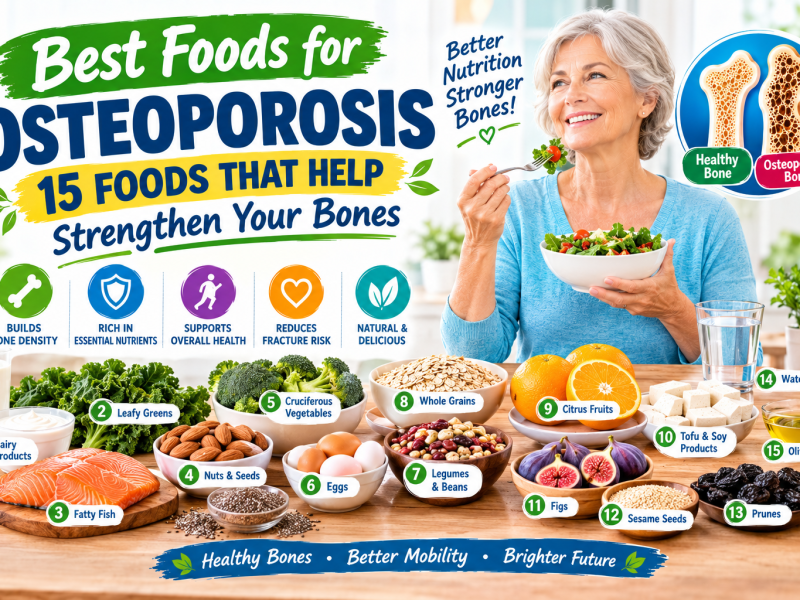
Strong bones are important at every stage of life, but protecting bone health becomes especially important as we get older. Bone density can gradually decrease with age, and factors such as menopause, inactivity, poor nutrition, smoking, excessive alcohol use, certain medications, and some medical conditions can increase the risk of osteoporosis.
The good news is that bone health is influenced by many everyday choices. You do not need to completely change your lifestyle overnight. Small, consistent habits involving nutrition, exercise, movement, sleep, and fall prevention can help support stronger bones and better physical function.
If you are wondering how to strengthen bones naturally, start by building simple habits that you can maintain every day.
Why Daily Habits Matter for Bone Health

Click Here To Watch Video to Treat Osteoporosis Disease Naturally!..
Bones are living tissues that continuously change throughout life. Old bone is broken down while new bone is formed. With aging, bone breakdown can begin to occur faster than bone formation.
This does not mean bone loss is unavoidable or that osteoporosis cannot be managed. Healthy lifestyle habits can support bone health and may help reduce some modifiable risk factors.
Bone health is influenced by:
- Calcium and vitamin D intake
- Protein and overall nutrition
- Physical activity
- Muscle strength
- Balance and mobility
- Body weight
- Smoking
- Alcohol consumption
- Certain medications
- Hormonal and medical conditions
- Family history and age
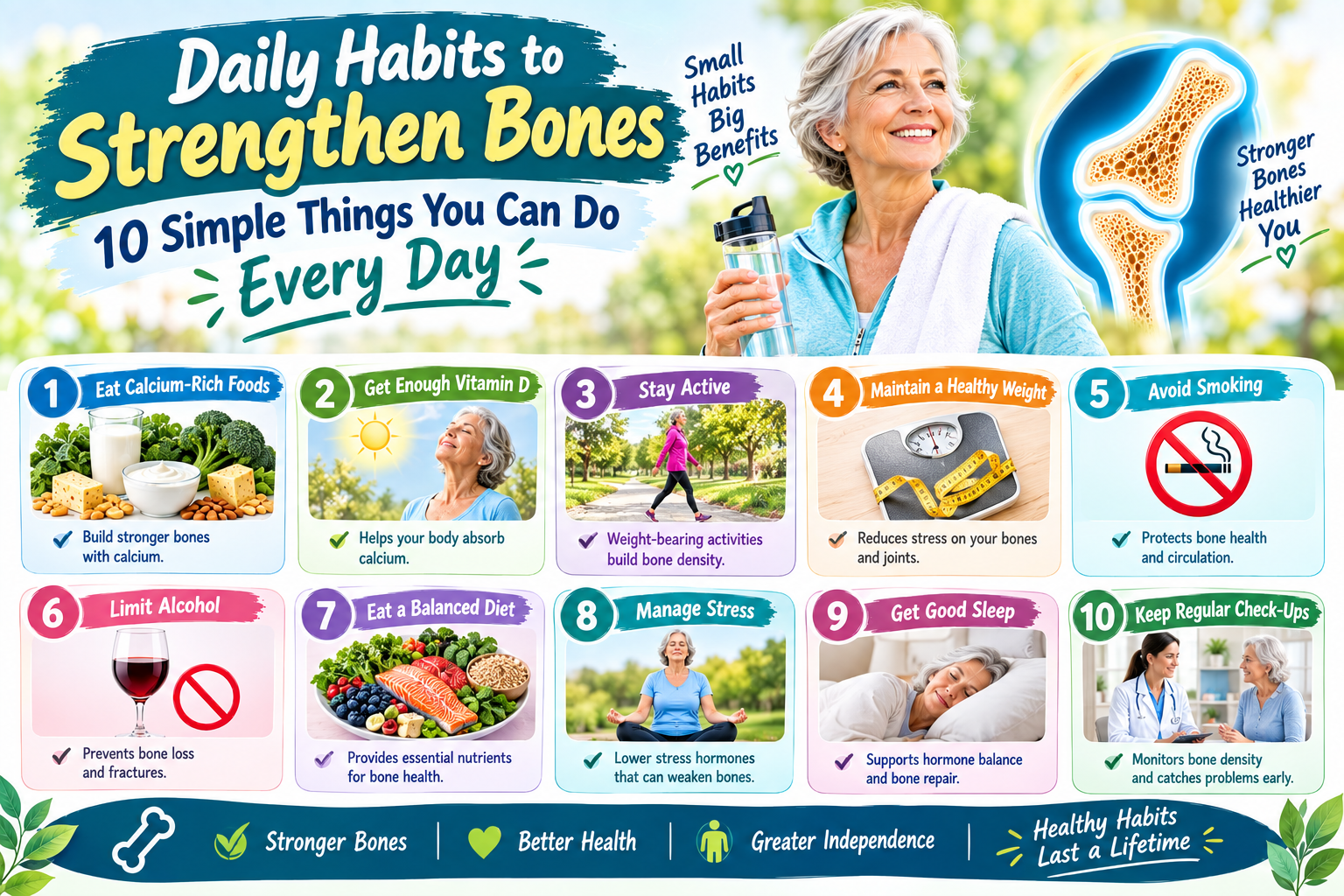
The following 10 daily habits can help you create a bone-friendly routine.
1. Eat a Calcium-Rich Food Every Day
Calcium is one of the most important minerals for maintaining the structure of bones.
Instead of thinking about calcium only in terms of supplements, try to include calcium-rich foods throughout your day.
Good options include:
- Milk
- Yogurt
- Cheese
- Calcium-fortified plant beverages
- Calcium-set tofu
- Canned sardines with edible bones
- Canned salmon with bones
- Beans and lentils
- Some leafy green vegetables
For example, you could have yogurt with breakfast, add cheese to lunch, and include calcium-rich vegetables or fortified foods with dinner.
Your individual calcium needs depend on factors such as age and sex. If you are unsure how much calcium you need, ask a healthcare professional or registered dietitian.
2. Make Sure You Get Enough Vitamin D
Vitamin D helps the body absorb calcium and plays an important role in maintaining healthy bones.
Food sources include:
- Fatty fish
- Egg yolks
- Fortified milk
- Fortified plant beverages
- Fortified cereals
Sunlight can also help the body produce vitamin D, but the amount produced varies considerably depending on factors such as age, skin type, season, location, clothing, and sun exposure.
Some people may need a vitamin D supplement, particularly when dietary intake or sun exposure is inadequate. However, high-dose supplementation should not be taken without appropriate medical advice.
3. Include Protein in Your Meals
Protein is often associated with muscle health, but it is also important for bones. Maintaining muscle becomes particularly important with age because stronger muscles support mobility and physical independence.
Try to include a protein source at each main meal.
Examples include:
- Eggs
- Fish
- Chicken
- Milk
- Yogurt
- Beans
- Lentils
- Tofu
- Nuts and seeds
A simple breakfast could include eggs and whole-grain toast. Lunch might include beans or chicken, while dinner could include fish, tofu, or lentils.
Adequate protein intake should be part of an overall balanced diet rather than an excessive focus on high-protein foods.
4. Spend Time on Weight-Bearing Activity
Bones respond to mechanical loading. Weight-bearing activities make your body work against gravity and can be an important part of a bone-health routine.
Examples include:
- Walking
- Stair climbing
- Dancing
- Hiking
- Low-impact aerobics
Walking is one of the easiest activities to incorporate into daily life.
Instead of trying to complete a long workout immediately, consider breaking movement into smaller periods. A short walk in the morning, another after lunch, and additional movement in the evening can add up.
If you have osteoporosis or a history of fractures, choose activities appropriate for your condition and discuss your exercise plan with a healthcare professional when necessary.
5. Do Some Strength Training
Resistance or strength training helps maintain muscle strength and physical function. It can also provide mechanical loading that supports bone health.
Simple exercises may include:
- Sit-to-stands
- Wall push-ups
- Heel raises
- Resistance-band rows
- Standing leg lifts
- Light dumbbell exercises
You do not necessarily need a gym. Many exercises can be performed at home with body weight, resistance bands, or appropriately selected weights.
Focus on controlled movement and proper technique rather than lifting as much weight as possible.
If you have osteoporosis, avoid exercises that involve forceful spinal bending, aggressive twisting, or sudden jerking movements unless specifically recommended by a qualified professional.
6. Practice Balance Exercises
Strong bones are important, but preventing falls is equally important for people with osteoporosis.
A fall can cause a fracture, particularly when bones have become fragile.
Simple balance exercises can become part of your daily routine.
For example, while standing near a sturdy countertop:
- Stand upright with your feet comfortably apart.
- Hold the countertop for support.
- Shift your weight slowly from one side to the other.
- If safe for you, practice briefly standing with one foot slightly raised.
- Return to a stable position.
Other options can include supported heel-to-toe walking and appropriately modified tai chi.
Never practice difficult balance exercises near stairs, slippery surfaces, or other hazards.
If you have significant balance problems, a physical therapist can help develop an appropriate program.
7. Protect Your Spine With Good Movement Habits
People with osteoporosis need to pay particular attention to spinal safety.
Repeated or forceful forward bending and twisting can place stress on the spine, especially when bone density is significantly reduced.
Make everyday movements safer by:
- Bending at the hips and knees when appropriate
- Keeping objects close to your body when lifting
- Avoiding sudden twisting
- Using good posture
- Turning your whole body instead of twisting your spine
- Asking for help with heavy objects
Certain traditional exercises, including repeated abdominal crunches or deep spinal flexion movements, may not be appropriate for everyone with osteoporosis.
A physical therapist can teach you safer movement strategies.
8. Avoid Smoking
Smoking is associated with poorer bone health and can interfere with the body’s ability to maintain healthy bones.
If you smoke, quitting can be an important step toward improving your overall health.
You do not have to change everything at once. Consider discussing smoking-cessation options with a healthcare professional, who can help you choose a strategy appropriate for you.
Avoiding secondhand smoke when possible can also contribute to a healthier environment.
9. Limit Excessive Alcohol
Heavy alcohol consumption can negatively affect bone health and may also increase the risk of falls.
If you drink alcohol, keeping consumption within recommended limits is important. People with osteoporosis or other health conditions should discuss alcohol use with their healthcare professional.
Replacing alcohol with water, milk, or another nutritious beverage can be an easy daily change.
The goal is not perfection but developing habits that reduce avoidable risks.
10. Make Fall Prevention Part of Your Daily Routine
Fall prevention should be a daily habit, particularly for older adults with osteoporosis.
Look around your home for potential hazards.
Keep floors clear
Remove clutter, loose cables, and objects that could cause you to trip.
Improve lighting
Make sure hallways, stairways, bedrooms, and bathrooms are adequately lit.
Use handrails
Install or use sturdy handrails on stairs.
Consider bathroom safety
Grab bars, non-slip surfaces, and other safety equipment can help reduce the risk of falls.
Wear supportive footwear
Choose shoes that fit well and provide stability.
Keep frequently used items accessible
Avoid climbing on chairs or stools to reach items stored in high places.
Fall prevention is especially important because a fracture can have a major impact on mobility and independence.
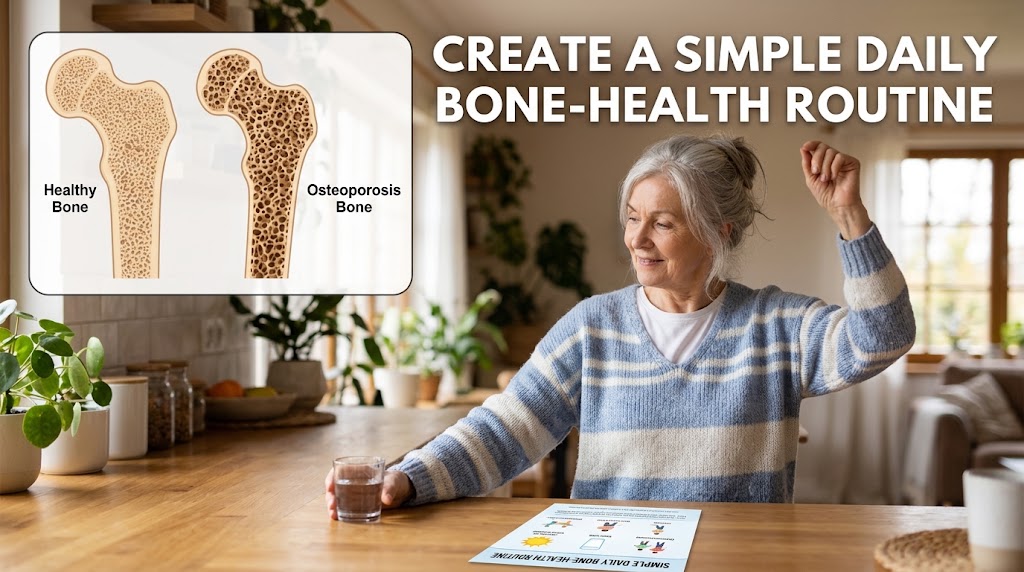
Create a Simple Daily Bone-Health Routine
Click Here To Watch Video to Treat Osteoporosis Disease Naturally!..
You can combine these habits into a manageable daily schedule.
Morning
Start your day with a nutritious breakfast containing protein and a calcium-rich food. For example, you might have eggs with whole-grain toast and a glass of fortified milk.
Take a short walk if your schedule and physical condition allow.
Afternoon
Include a balanced lunch with protein, vegetables, whole grains, and a calcium-containing food.
Spend a few minutes practicing safe strength or balance exercises.
Evening
Eat a nutritious dinner that includes protein and vegetables.
Take another short walk or perform gentle movement if appropriate.
Before bed, make sure pathways are clear and that commonly used items are safely accessible.
The exact routine can be adapted to your abilities and lifestyle.
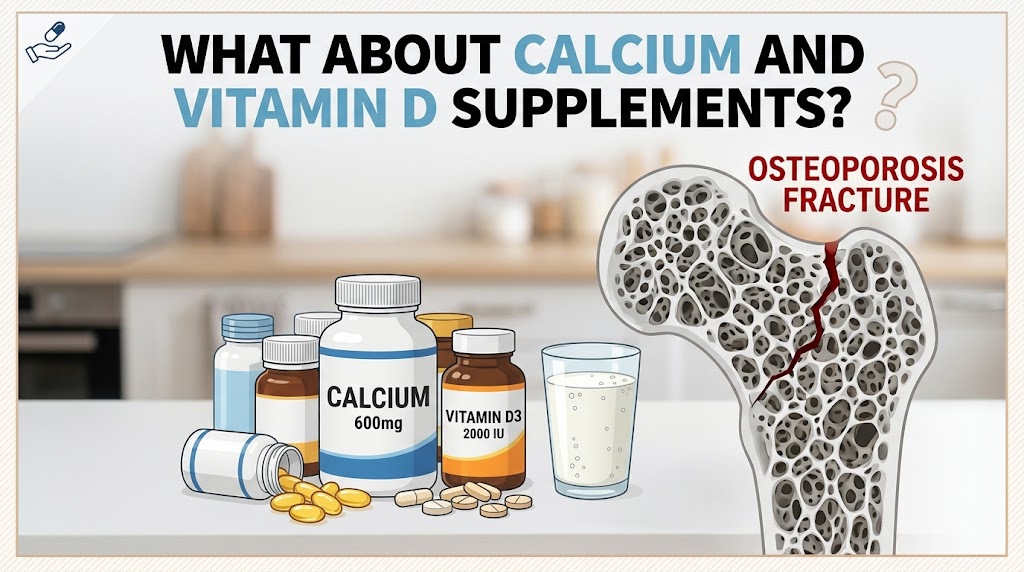
What About Calcium and Vitamin D Supplements?
Click Here To Watch Video to Treat Osteoporosis Disease Naturally!..
Supplements can be helpful for people who cannot obtain enough nutrients through food or who have been advised to take them by a healthcare professional.
However, more is not always better.
Taking excessive amounts of calcium or vitamin D without medical guidance can cause health problems. Your healthcare professional can consider your diet, age, medications, medical history, and laboratory results when determining whether supplementation is appropriate.
Food should generally be the foundation of a healthy diet, with supplements used when needed.
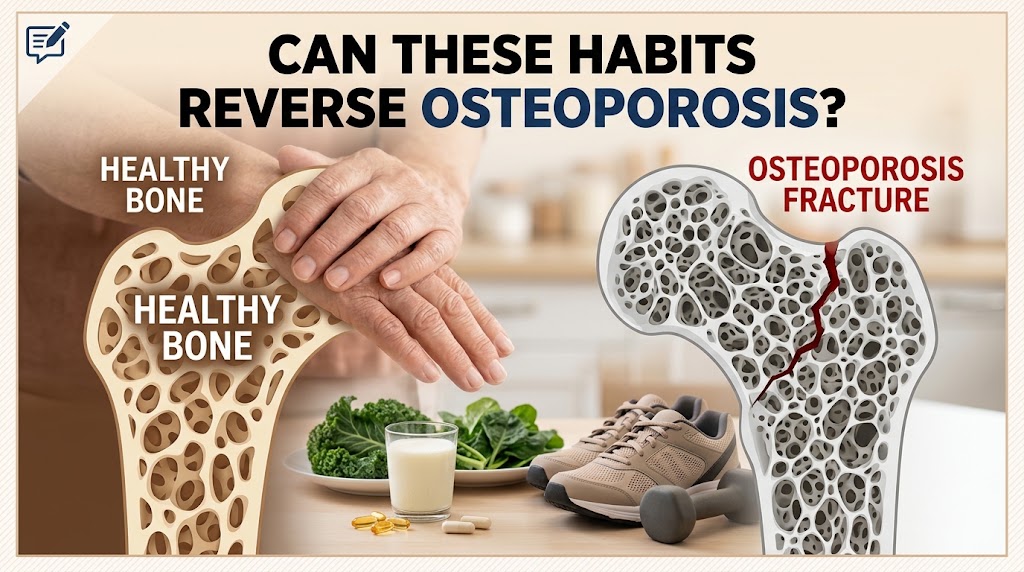
Can These Habits Reverse Osteoporosis?
Click Here To Watch Video to Treat Osteoporosis Disease Naturally!..
Healthy habits can support bone health, but they should not be presented as a guaranteed cure for osteoporosis.
If you have been diagnosed with osteoporosis, lifestyle changes may be combined with medical treatment to reduce fracture risk.
Depending on your individual situation, a healthcare professional may recommend:
- Bone-density testing
- Fracture-risk assessment
- Prescription osteoporosis medication
- Calcium and vitamin D guidance
- Exercise recommendations
- Evaluation of medical conditions
- Review of medications that may affect bone health
Never stop prescribed medication simply because you have started exercising or changed your diet.
Habits to Avoid
Some everyday behaviors can work against your bone-health goals.
Try to avoid:
- Prolonged physical inactivity
- Smoking
- Excessive alcohol
- Extreme dieting
- Rapid or unexplained weight loss
- Very low-calorie diets
- Repeated unsafe spinal bending
- Forceful twisting movements
- Exercises that cause significant pain
- Taking high-dose supplements without professional advice
A healthy bone routine should be sustainable rather than extreme.
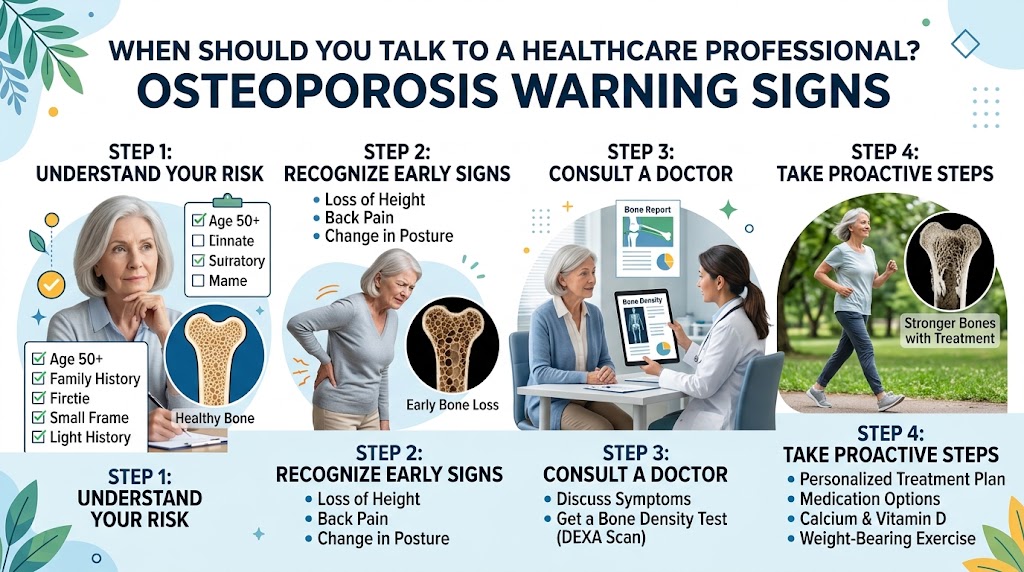
When Should You Talk to a Healthcare Professional?
Click Here To Watch Video to Treat Osteoporosis Disease Naturally!..
Consider speaking with a healthcare professional if you have risk factors for osteoporosis or are concerned about bone loss.
Medical advice is particularly important if you have:
- A fracture after a minor fall
- Persistent or sudden back pain
- Loss of height
- A stooped posture
- Frequent falls
- Significant balance problems
- A family history of osteoporosis or hip fracture
- Long-term corticosteroid use
- Unexplained weight loss
- Concerns about calcium or vitamin D intake
A healthcare professional can determine whether you need a bone-density test or additional evaluation.
Final Thoughts
Strengthening your bones does not have to involve complicated routines. Daily habits to strengthen bones can be simple and practical: eat calcium-rich foods, get adequate vitamin D and protein, stay physically active, perform appropriate resistance exercises, practice balance, protect your spine, avoid smoking, limit excessive alcohol, and make your home safer.
The most important factor is consistency. Small actions repeated regularly can become part of a long-term bone-health strategy.
If you already have osteoporosis, work with your healthcare professional to create a personalized plan. Healthy nutrition and exercise can support your bones and muscles, but they should complement—not automatically replace—appropriate medical treatment.