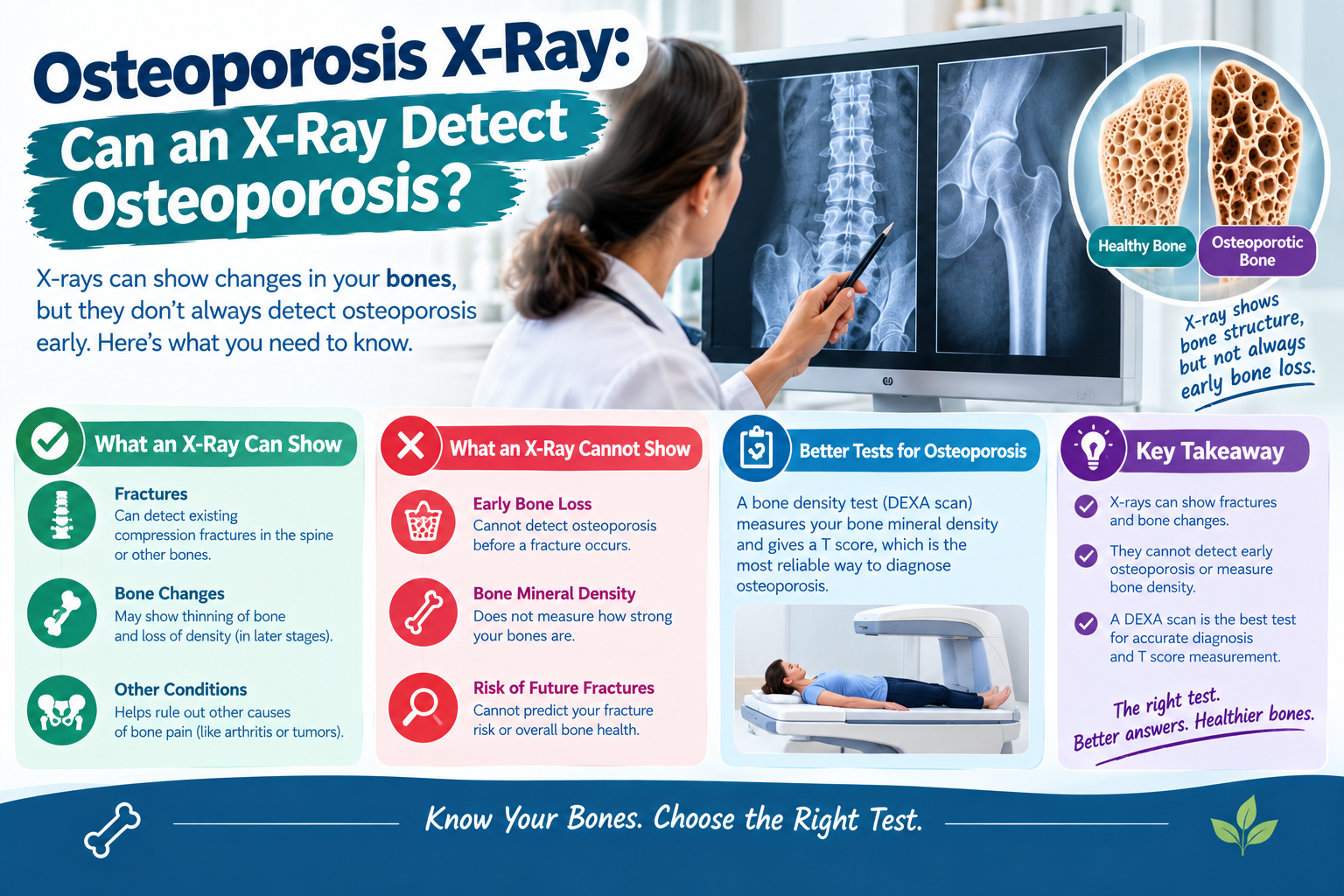
Osteoporosis is a bone disease that causes bones to become weaker, less dense, and more likely to break. Because bone loss often develops without noticeable
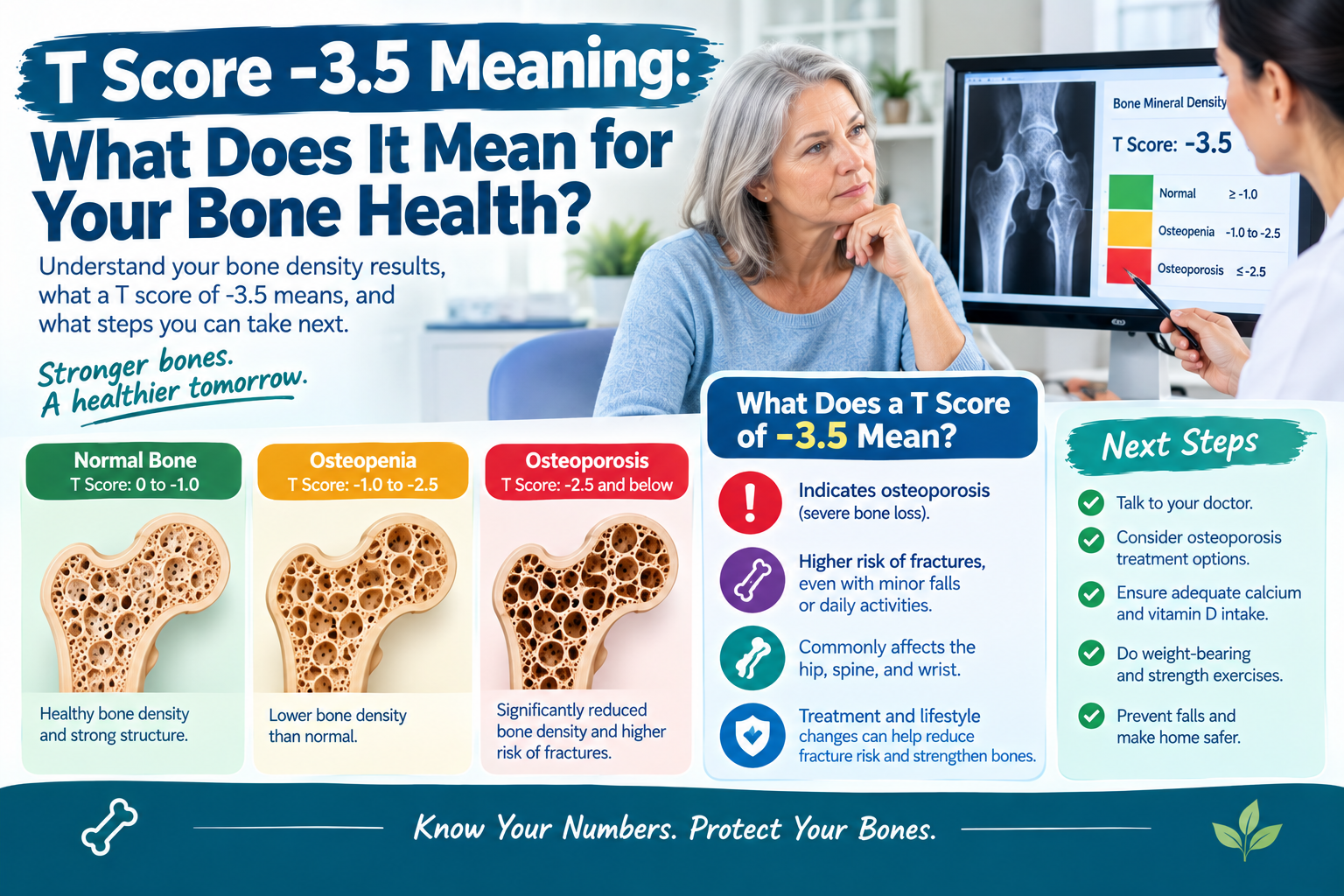
A bone density test can provide important information about your risk of osteoporosis and fractures. One of the most important numbers on a DXA or
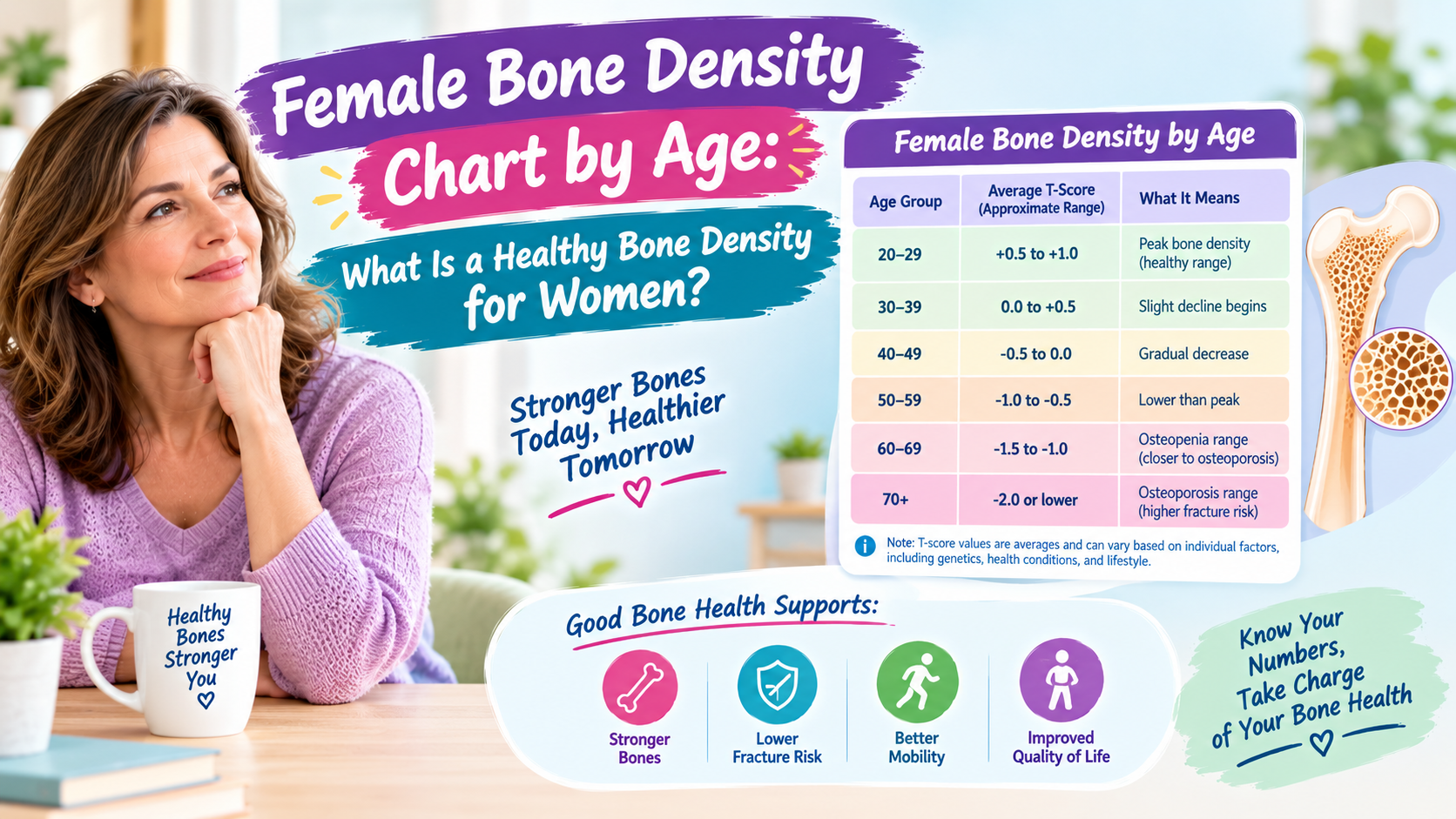
Bone density is an important indicator of skeletal health, particularly as women get older. As women age, bone loss can gradually increase, especially around and
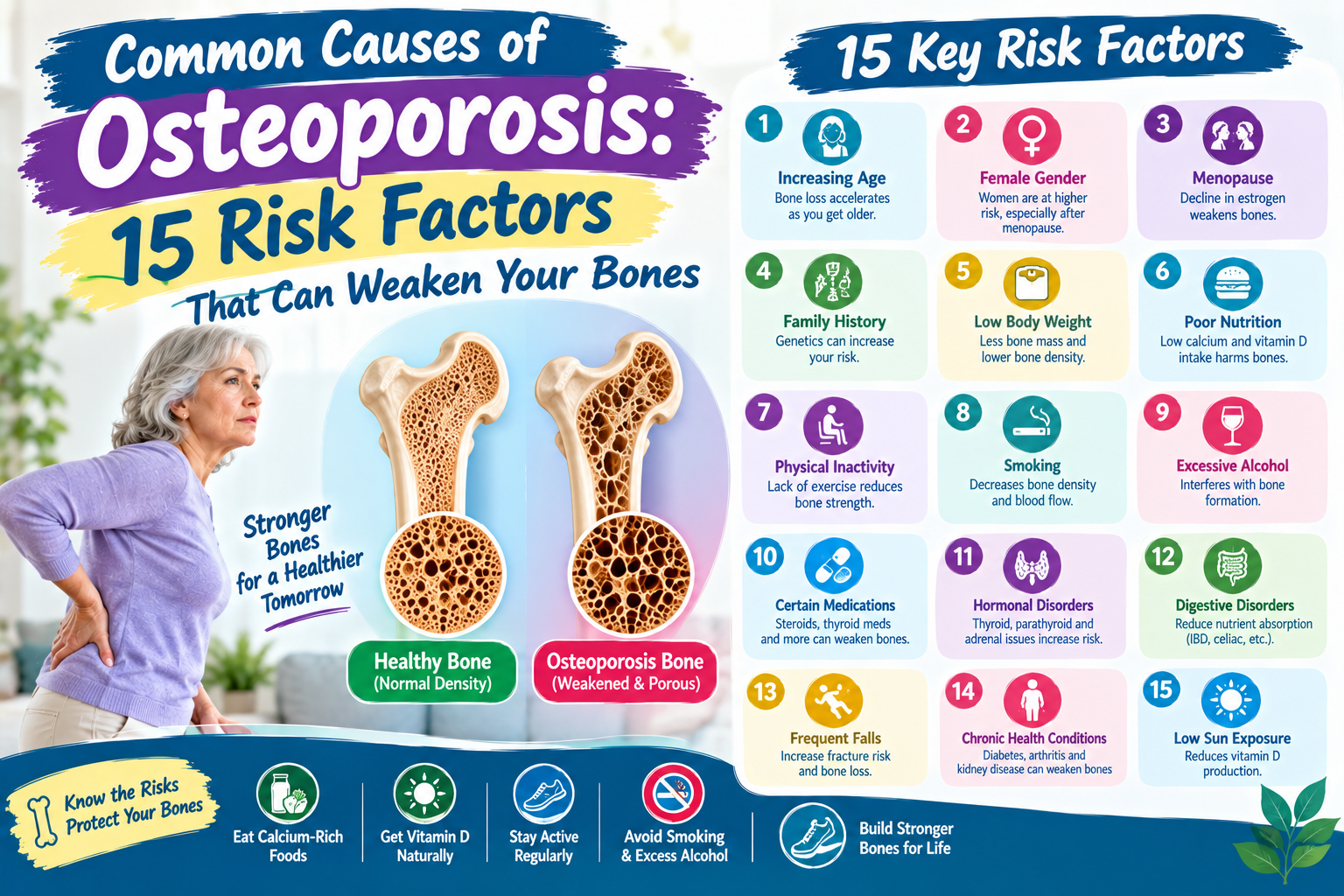
Osteoporosis is a common bone disease that causes bones to become thinner, weaker, and more likely to break. It can develop gradually, often without obvious
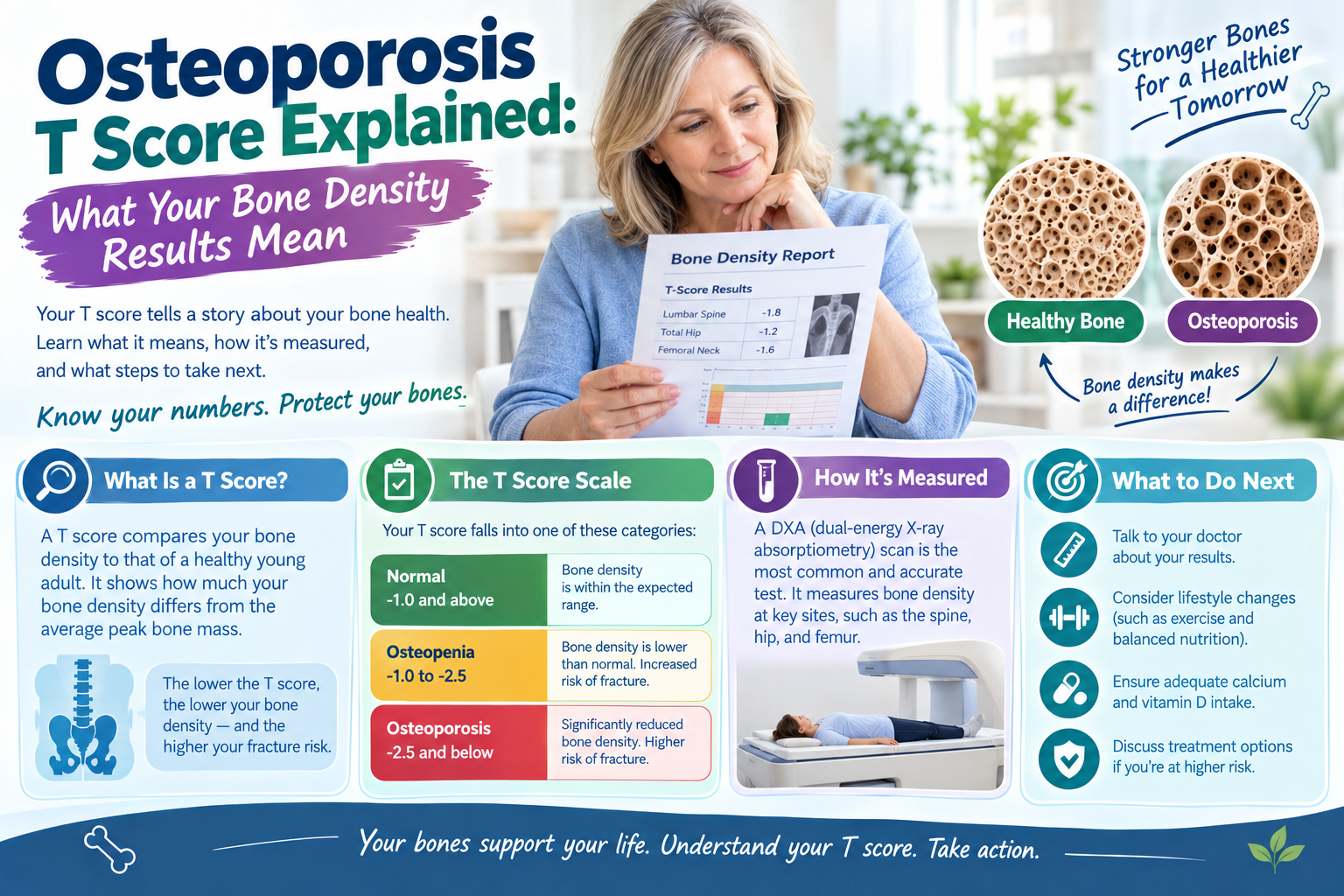
Understanding your bone density results is an important step toward protecting your bones and reducing your risk of fractures. If you have recently undergone a
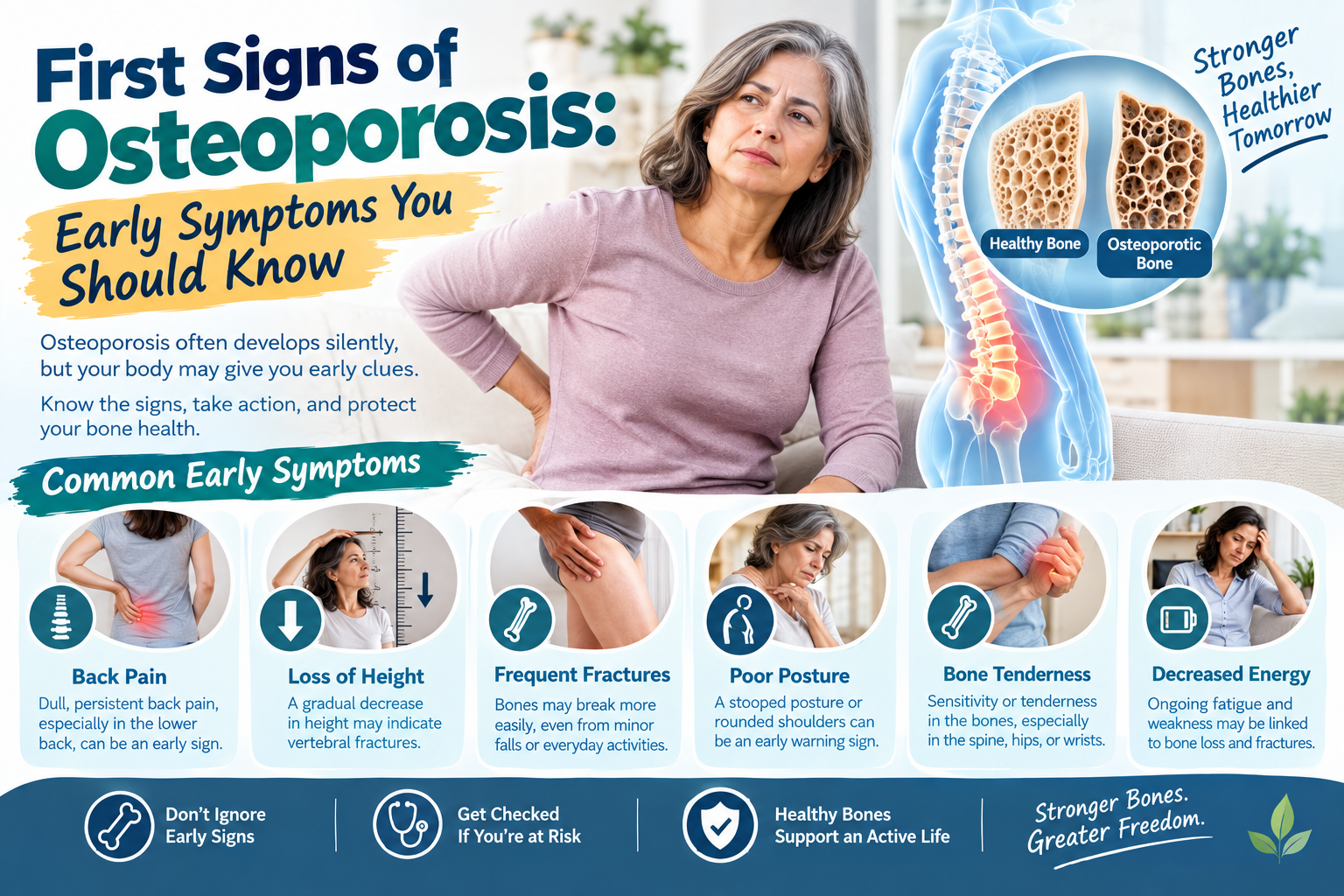
Osteoporosis is often called a “silent disease” because bone loss can occur gradually without obvious symptoms. Many people do not realize they have osteoporosis until
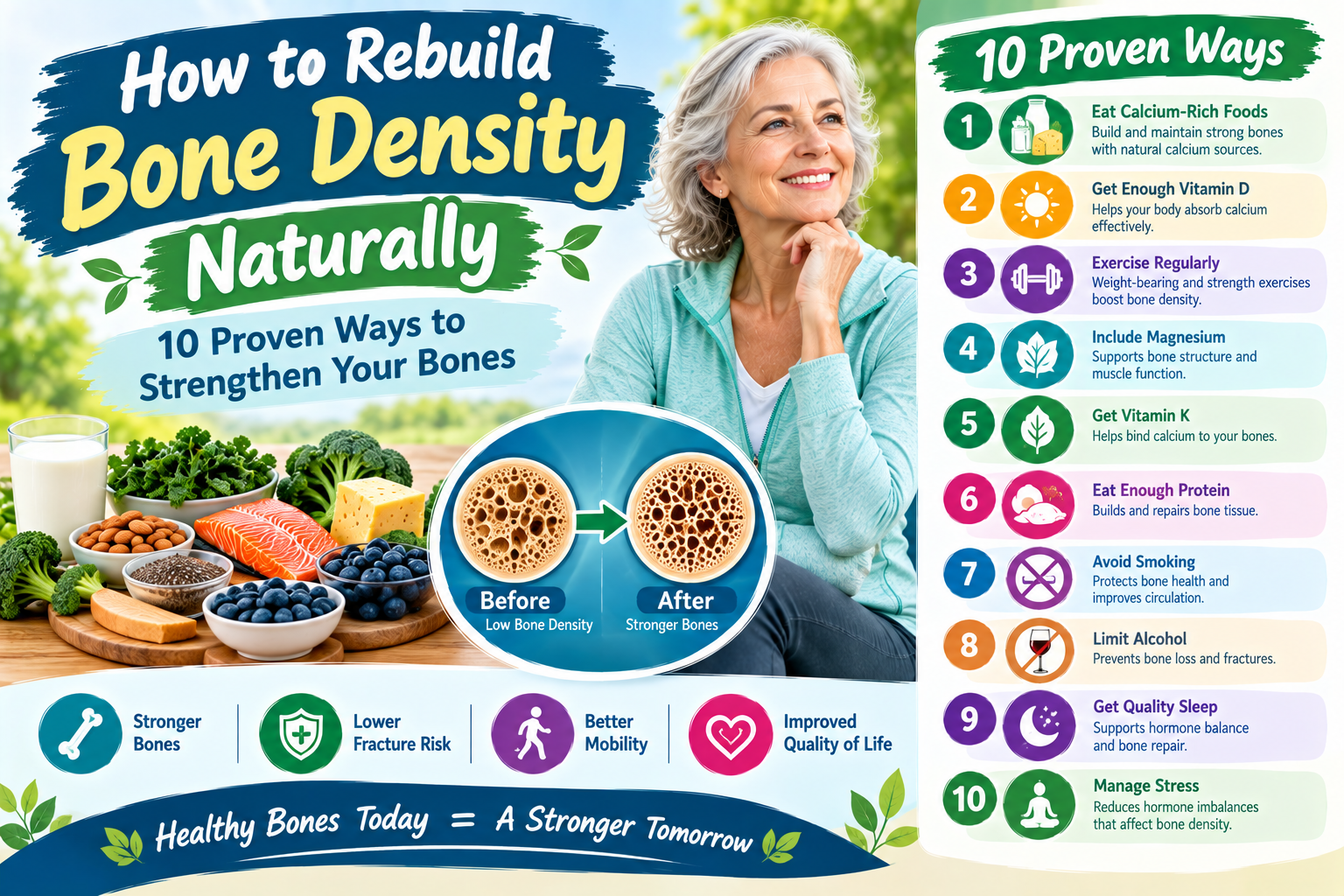
Strong bones are essential for maintaining mobility, balance, independence, and quality of life as you age. However, bone density naturally changes throughout life, and factors
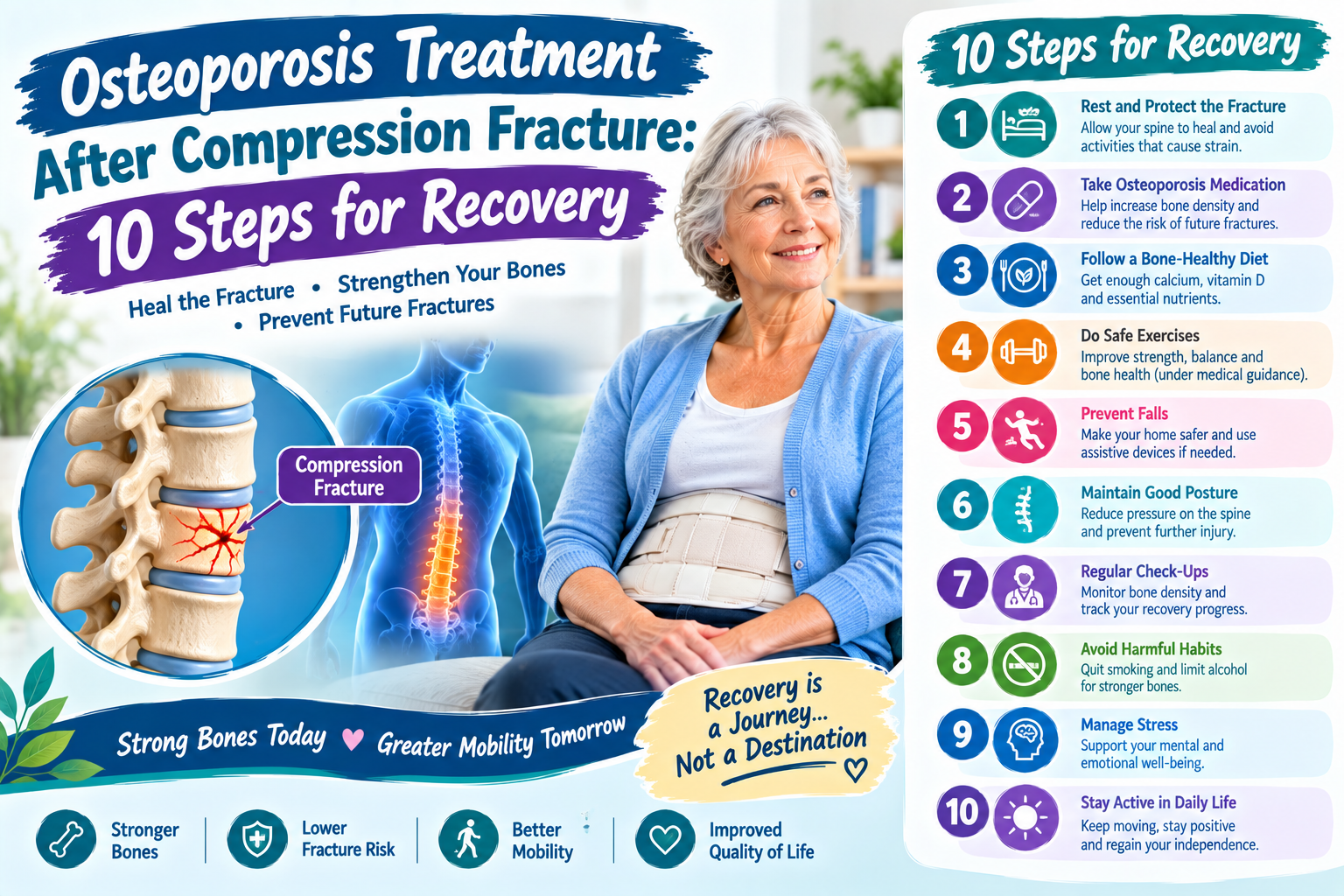
A compression fracture can be a painful and life-changing complication of osteoporosis. It commonly occurs when weakened vertebrae in the spine partially collapse under pressure.
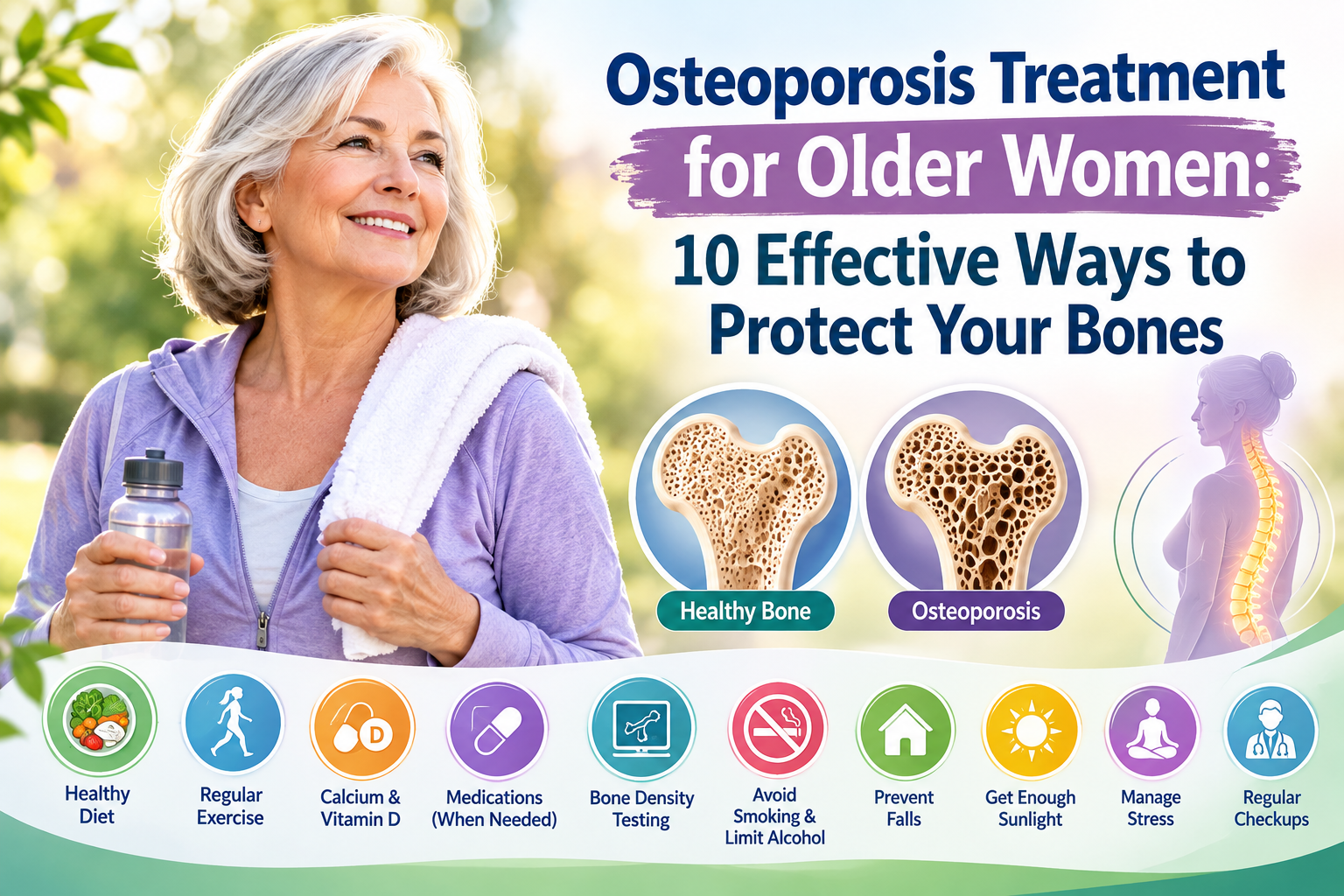
Osteoporosis is a common bone disease that becomes more important as women get older. After menopause, declining estrogen levels can accelerate bone loss, and aging
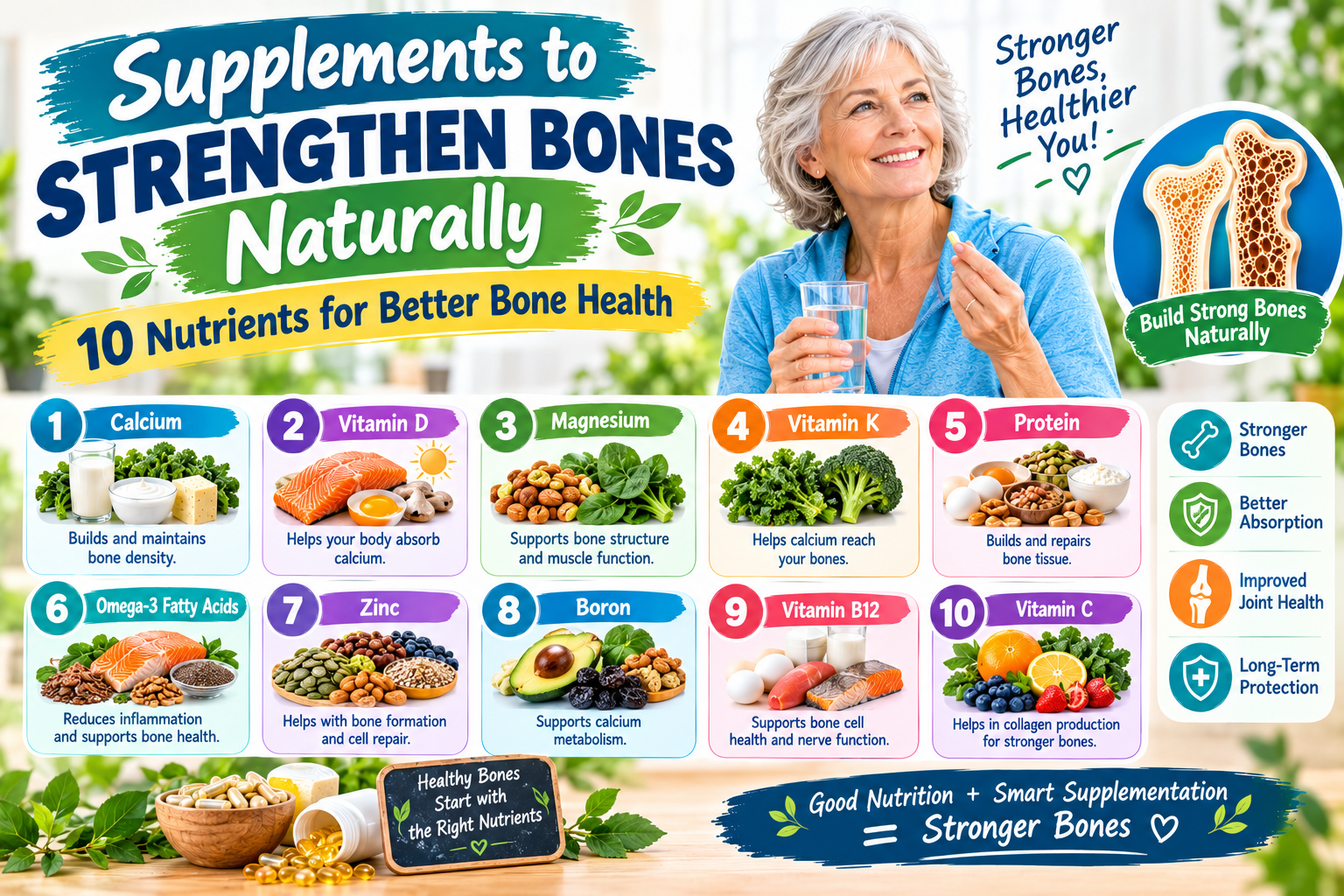
Strong bones are essential for mobility, balance, independence, and overall quality of life. As we age, however, bone density can gradually decline. This can increase