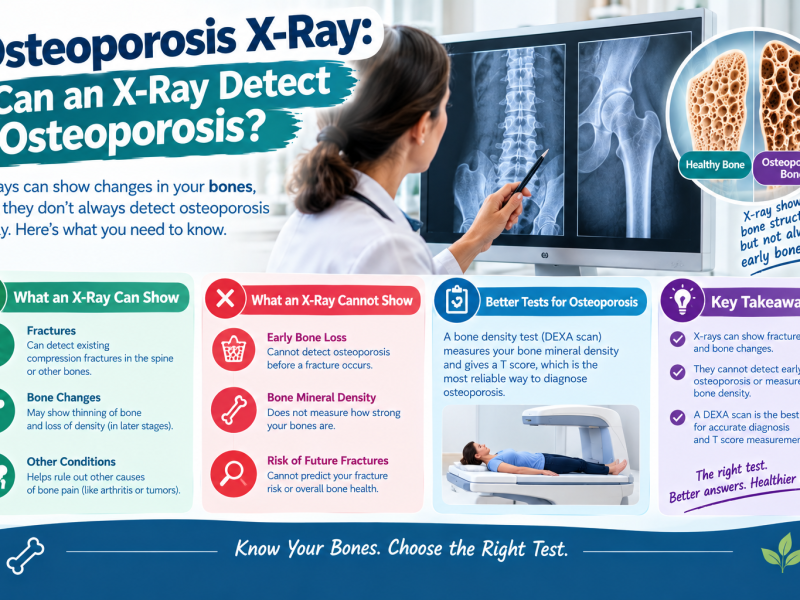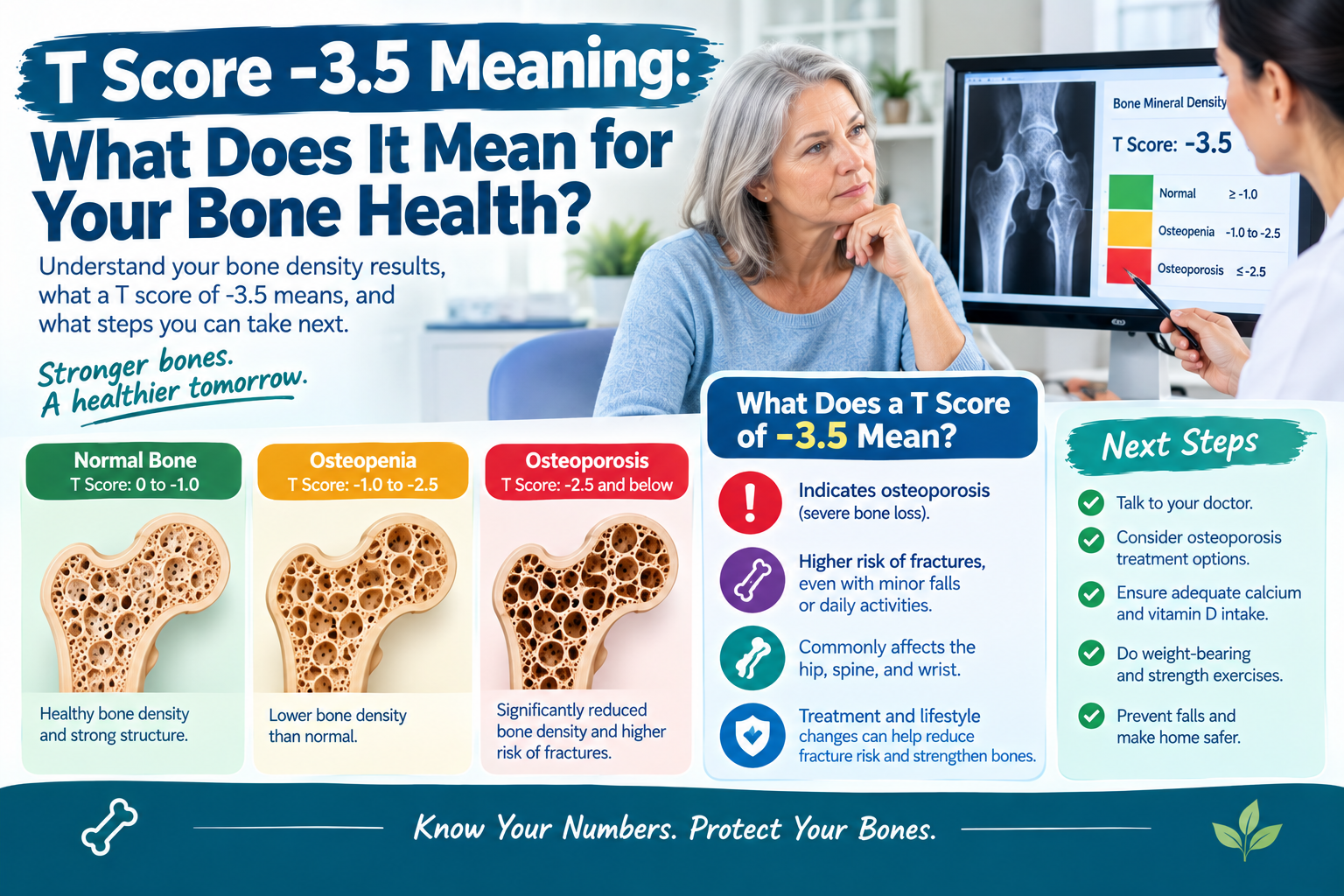
A bone density test can provide important information about your risk of osteoporosis and fractures. One of the most important numbers on a DXA or DEXA scan is the T-score. If your report shows a T-score of -3.5, you may naturally wonder what it means and whether you should be concerned.
A T-score of -3.5 indicates osteoporosis and represents significantly reduced bone mineral density compared with the reference population of healthy young adults. It is considered a substantially low bone density measurement and may be associated with a higher risk of fractures.
However, a T-score is only one part of assessing your overall bone health. Your age, previous fractures, medical conditions, medications, family history, and other risk factors also matter.
What Is a T-Score?
Click Here To Watch Video to Treat Osteoporosis Disease Naturally!..
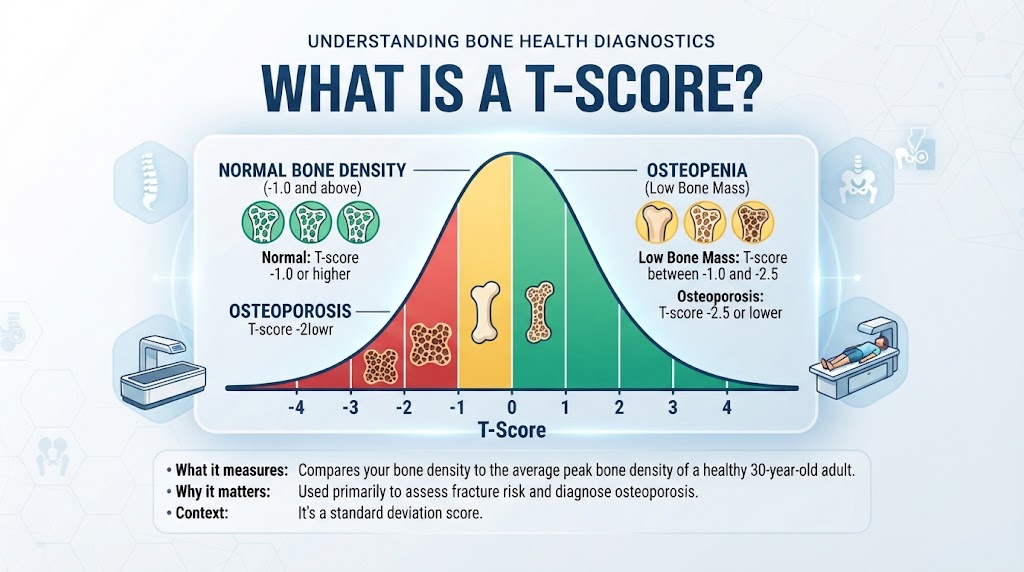
A T-score compares your bone mineral density (BMD) with the average bone density of a healthy young adult reference population.
The score is expressed as a number that may be positive or negative.
Generally, the categories are:
- -1.0 or higher: Normal bone density
- Between -1.0 and -2.5: Low bone density, also called osteopenia
- -2.5 or lower: Osteoporosis
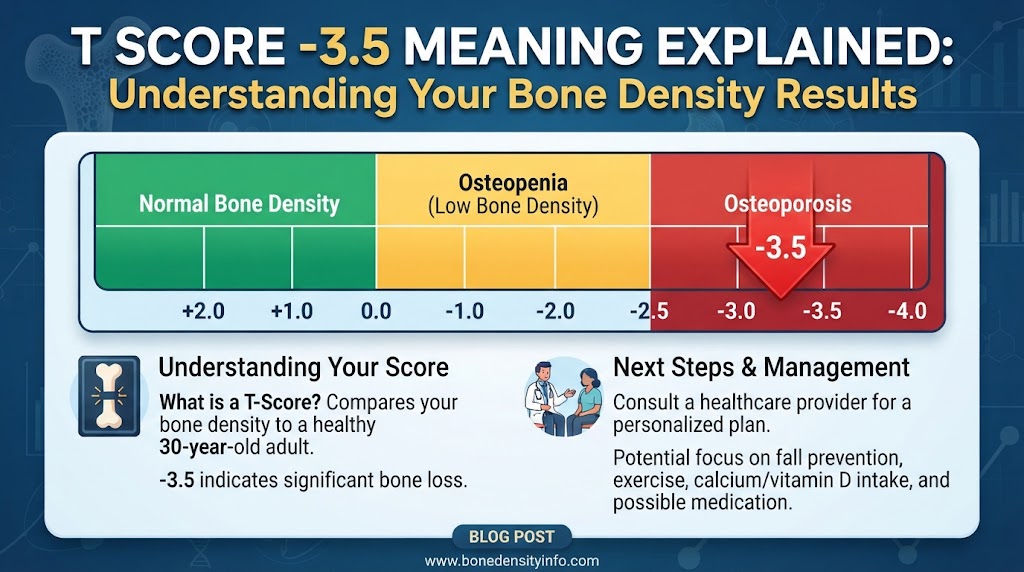
Therefore, a T-score of -3.5 falls clearly within the osteoporosis range.
The lower the T-score, the greater the reduction in bone density compared with the reference population. However, the T-score itself does not tell you exactly when or whether you will experience a fracture.
T Score -3.5 Meaning Explained
Click Here To Watch Video to Treat Osteoporosis Disease Naturally!..
A T-score of -3.5 means that your measured bone density is substantially below the average of the healthy young adult reference group.
For example, someone with a T-score of -3.5 has considerably lower bone mineral density than someone with a T-score of -1.5.
This does not mean that your bones are literally “3.5 times weaker” or that you are guaranteed to have a fracture. The T-score is a statistical measurement of bone density, not a direct measurement of bone strength.
Nevertheless, a score this low deserves medical attention because it indicates significant osteoporosis.
Your healthcare professional will generally look at the complete DXA report and your individual fracture risk before deciding on treatment.
Is a T-Score of -3.5 Severe Osteoporosis?

Click Here To Watch Video to Treat Osteoporosis Disease Naturally!..
A T-score of -3.5 represents osteoporosis with substantially low bone density. In some clinical settings, a very low T-score may be described as severe or established osteoporosis, particularly when a person has also experienced one or more fragility fractures.
The term “severe osteoporosis” should not be determined from the T-score alone.
For example, a person with a T-score of -3.5 and a previous hip or vertebral fracture may have a much higher fracture risk than someone with the same T-score but no history of fractures.
This is why doctors consider both bone density and clinical risk factors.
What Does a T-Score of -3.5 Mean for Fracture Risk?

Click Here To Watch Video to Treat Osteoporosis Disease Naturally!..
Bone density is an important predictor of fracture risk, and a lower BMD generally indicates greater risk.
A T-score of -3.5 may increase the likelihood of fractures involving areas such as:
- Hip
- Spine
- Wrist
- Upper arm
- Pelvis
- Other bones
However, fracture risk is influenced by many factors besides BMD.
These can include:
- Older age
- Previous fragility fracture
- Family history of hip fracture
- Falls
- Smoking
- Excessive alcohol consumption
- Low body weight
- Certain medications
- Rheumatoid arthritis
- Long-term corticosteroid use
- Certain endocrine conditions
- Reduced physical activity
Your doctor may use a fracture-risk assessment tool such as FRAX together with your clinical history and DXA results to better understand your individual risk.
What Causes a T-Score to Fall to -3.5?
There are many possible reasons someone may develop very low bone density.
Aging
Bone density naturally changes with age. Bone loss may become more significant later in life, particularly after menopause.
Menopause
Estrogen helps maintain bone density. After menopause, estrogen levels decline, which can accelerate bone loss in some women.
Lack of Calcium and Vitamin D
Calcium and vitamin D are important for maintaining normal bone health. Inadequate intake or absorption can contribute to reduced bone mineralization.
Physical Inactivity
Bones respond to mechanical stress. Regular weight-bearing and resistance exercise can help support bone strength.
Long periods of inactivity may contribute to bone loss.
Certain Medications
Long-term use of glucocorticoids, such as prednisone, can significantly increase osteoporosis risk.
Other medications may also affect bone health in certain circumstances.
Medical Conditions
Some health conditions can increase osteoporosis risk, including certain thyroid and parathyroid disorders, gastrointestinal conditions that interfere with nutrient absorption, kidney disease, and other disorders.
Smoking and Excessive Alcohol
Smoking can negatively affect bone health. Excessive alcohol consumption can also increase osteoporosis and fracture risk.
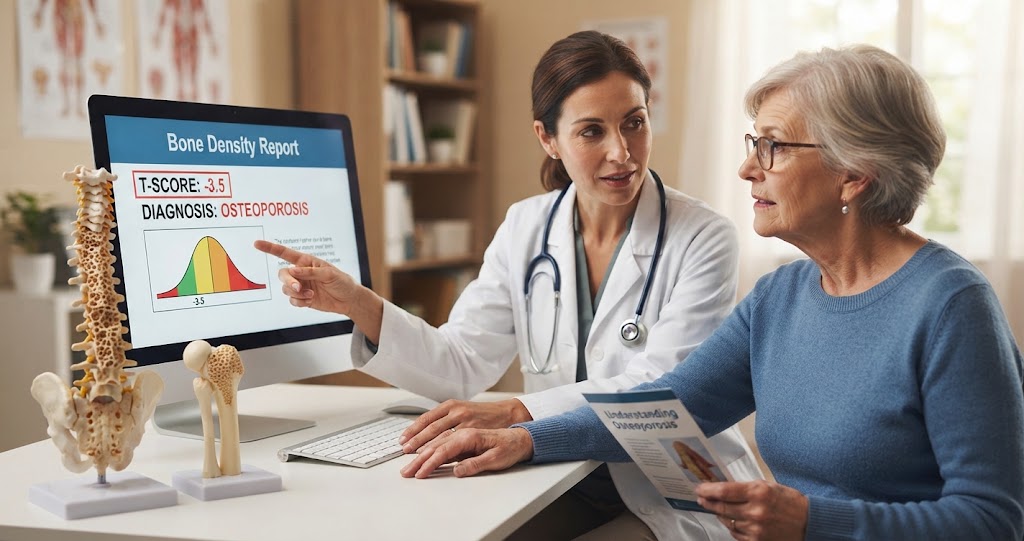
What Should You Do If Your T-Score Is -3.5?
Click Here To Watch Video to Treat Osteoporosis Disease Naturally!..
A T-score of -3.5 should not be ignored. The next step is usually to discuss the result with a healthcare professional.
Your doctor may review:
- Your complete DXA report
- Your age and sex
- Previous fractures
- Medication history
- Family history
- Nutrition and lifestyle
- Fall risk
- Other medical conditions
- Blood tests when appropriate
- Overall fracture risk
Your doctor may also investigate whether an underlying medical condition is contributing to unusually low bone density.
Treatment Options for a T-Score of -3.5
Treatment depends on your individual fracture risk and health history.
Bisphosphonates
Bisphosphonates are commonly used osteoporosis medications. Examples include alendronate, risedronate, ibandronate, and zoledronic acid.
They work by slowing bone breakdown and can reduce the risk of certain osteoporotic fractures.
Denosumab
Denosumab is another medication used to reduce bone loss and fracture risk in appropriate patients.
It is administered as an injection at regular intervals.
Importantly, denosumab should not simply be stopped without a medical plan because bone turnover can increase after discontinuation.
Anabolic or Bone-Building Treatments
For people at very high fracture risk, doctors may consider medications that stimulate bone formation.
Examples include:
- Teriparatide
- Abaloparatide
- Romosozumab
These treatments may be particularly relevant for certain patients with very low bone density or previous serious fractures.
The appropriate treatment depends on individual circumstances and medical assessment.
Menopausal hormone therapy may be appropriate for some women for specific indications and can help preserve bone density.
However, it is not appropriate for everyone and should not be started solely because a DXA scan shows a low T-score without considering the individual’s overall risks and benefits.
Can a T-Score of -3.5 Improve?
A T-score may improve with appropriate treatment and lifestyle changes, although the amount of improvement varies.
The goal of osteoporosis treatment is not simply to increase the T-score. More importantly, treatment aims to reduce fracture risk and maintain or improve bone strength.
Your healthcare professional may recommend:
- Appropriate osteoporosis medication
- Adequate calcium intake
- Adequate vitamin D
- Weight-bearing exercise
- Resistance training
- Balance exercises
- Smoking cessation
- Limiting excessive alcohol
- Fall-prevention strategies
It can take time for meaningful changes in bone density to appear.
Calcium and Vitamin D With a T-Score of -3.5
Click Here To Watch Video to Treat Osteoporosis Disease Naturally!..
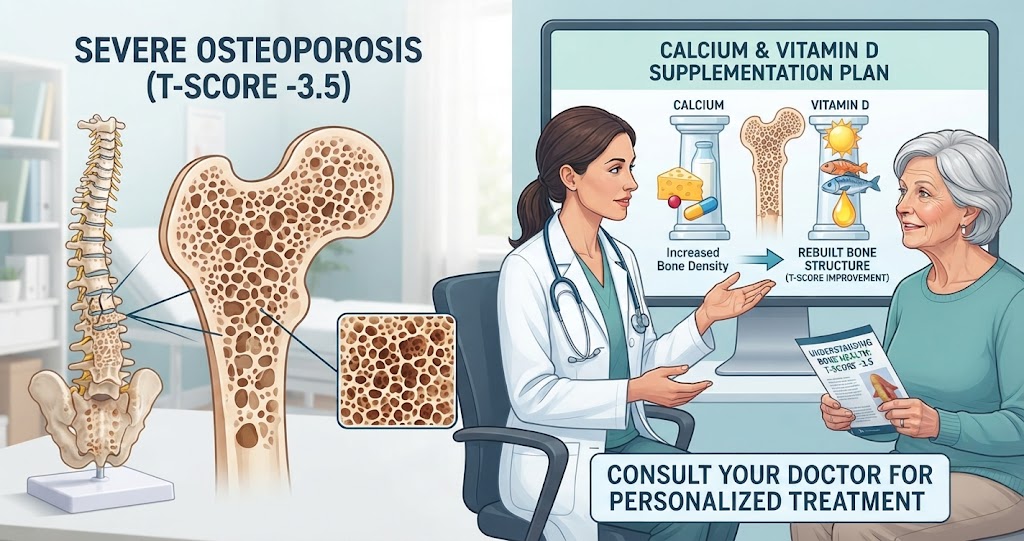
Calcium and vitamin D are important components of bone health.
Most people should aim to obtain nutrients primarily through a balanced diet, with supplements used when dietary intake is inadequate or when a healthcare professional recommends them.
Calcium-rich foods include:
- Milk
- Yogurt
- Cheese
- Fortified plant-based beverages
- Calcium-set tofu
- Certain leafy green vegetables
- Some fish eaten with bones
Vitamin D can come from sunlight exposure, foods, and supplements when appropriate.
The right amount depends on age, diet, health conditions, medications, and individual needs.
Taking very large doses of supplements without medical advice is not recommended.
Exercise and a T-Score of -3.5
Exercise can play an important role in maintaining bone and muscle health.
Depending on your health and fracture risk, a healthcare professional or physical therapist may recommend:
- Walking
- Resistance exercises
- Strength training
- Balance exercises
- Posture exercises
However, people with severe osteoporosis or previous vertebral fractures may need to avoid certain high-impact activities or movements involving forceful spinal bending or twisting.
If your T-score is -3.5, ask your healthcare professional what types of exercise are safe for you before starting a new program.
Preventing Falls Is Especially Important
When bone density is significantly reduced, preventing falls becomes an important part of fracture prevention.
Simple strategies include:
- Remove loose rugs and household clutter
- Improve lighting around stairs and hallways
- Use handrails
- Wear supportive footwear
- Have vision checked regularly
- Review medications that may cause dizziness
- Use appropriate walking aids when recommended
- Practice balance exercises
Fall prevention can be particularly important for older adults with osteoporosis.
When Should You See a Doctor?
If your DXA scan shows a T-score of -3.5, arrange an appointment with your healthcare professional to discuss the result.
Seek prompt medical attention if you experience:
- A fracture after a minor fall
- Sudden severe back pain
- New loss of height
- Difficulty walking after an injury
- Hip pain following a fall
- Persistent unexplained bone pain
A vertebral compression fracture can sometimes occur without a dramatic accident, so new or unexplained back pain should be evaluated when osteoporosis is present.
Frequently Asked Questions
Is a T-score of -3.5 bad?
A T-score of -3.5 is significantly below the osteoporosis threshold of -2.5 and indicates substantially low bone density. It warrants medical evaluation and assessment of fracture risk.
Can you live normally with a T-score of -3.5?
Many people with osteoporosis continue to live active lives. However, they may need appropriate treatment, exercise modifications, nutrition strategies, and fall prevention to reduce fracture risk.
Can osteoporosis be reversed?
Osteoporosis is generally considered a chronic condition, but treatment can improve bone density and substantially reduce fracture risk. The goal is usually to strengthen or preserve bone and prevent fractures.
How long does it take to improve a T-score?
Bone density changes gradually. The timeframe varies depending on the medication, individual health, baseline bone density, and other factors. Follow-up DXA scans are typically performed according to an individualized medical plan.
Does a T-score of -3.5 mean I will break a bone?
No. A T-score of -3.5 indicates increased fracture risk, but it does not predict exactly whether or when you will experience a fracture. Your overall risk depends on multiple factors.
Conclusion
Understanding the T-score -3.5 meaning can help you take your bone health seriously without assuming that a fracture is inevitable. A T-score of -3.5 is well within the osteoporosis range and indicates substantially reduced bone mineral density compared with the healthy young adult reference population.
The most important next step is to discuss your complete DXA results with a healthcare professional. Your doctor can assess your fracture risk, look for possible causes of bone loss, and determine whether osteoporosis medication is appropriate.
Healthy nutrition, adequate calcium and vitamin D, safe exercise, smoking cessation, limited alcohol consumption, and fall prevention can support bone health. For people at high or very high fracture risk, prescription treatments can significantly reduce the chance of future fractures.
If your T-score is -3.5, early evaluation and an individualized treatment plan can help protect your bones and support long-term health.
Available next action: Create a downloadable DOCX file here in this chat containing the editable prose above