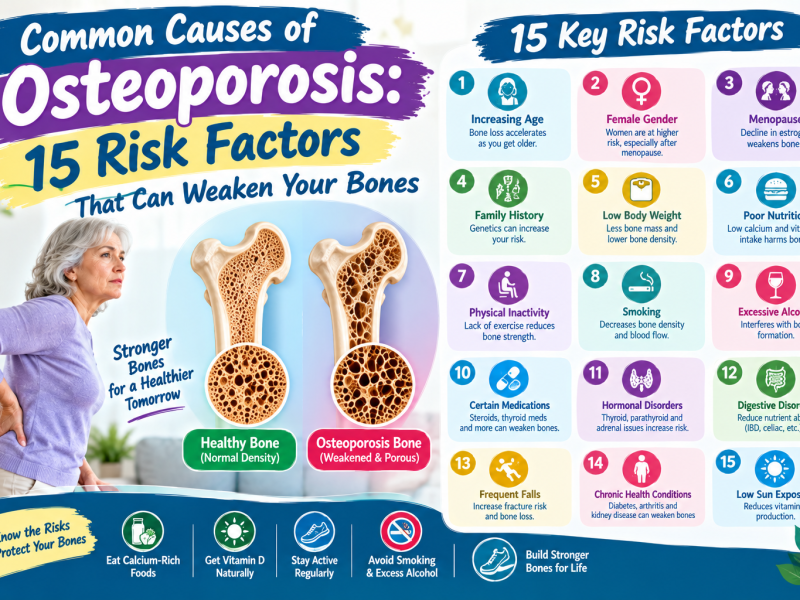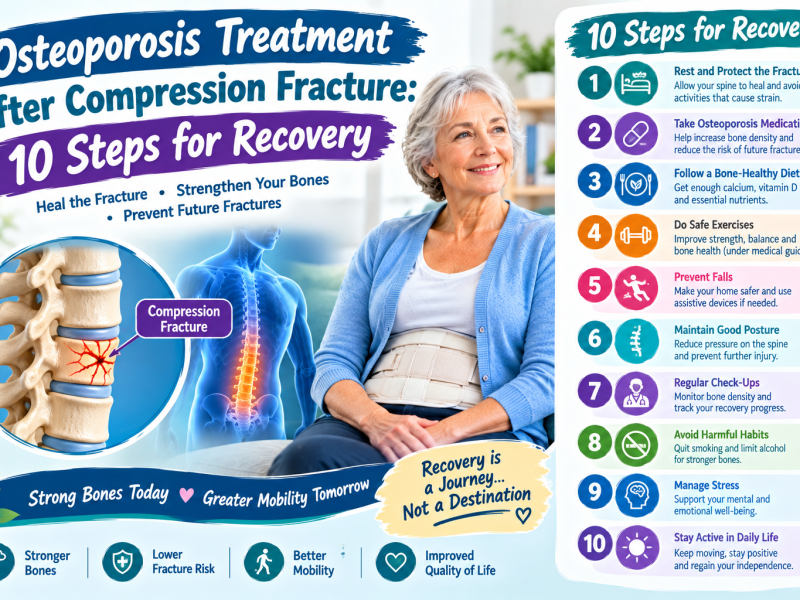
Osteoporosis does not usually develop overnight. Bone loss can happen gradually for years before a person realizes that their bones have become weaker. Because osteoporosis often has no noticeable symptoms in its early stages, understanding the factors that can contribute to bone loss is an important part of protecting bone health.
Although osteoporosis becomes more common with age, getting older is not the only reason bones become fragile. Genetics, hormones, nutrition, lifestyle habits, certain medications, and underlying medical conditions can all influence bone strength.
Some risk factors cannot be changed, such as age, sex, or family history. Others—such as physical inactivity, smoking, poor nutrition, and excessive alcohol consumption—may be modifiable.
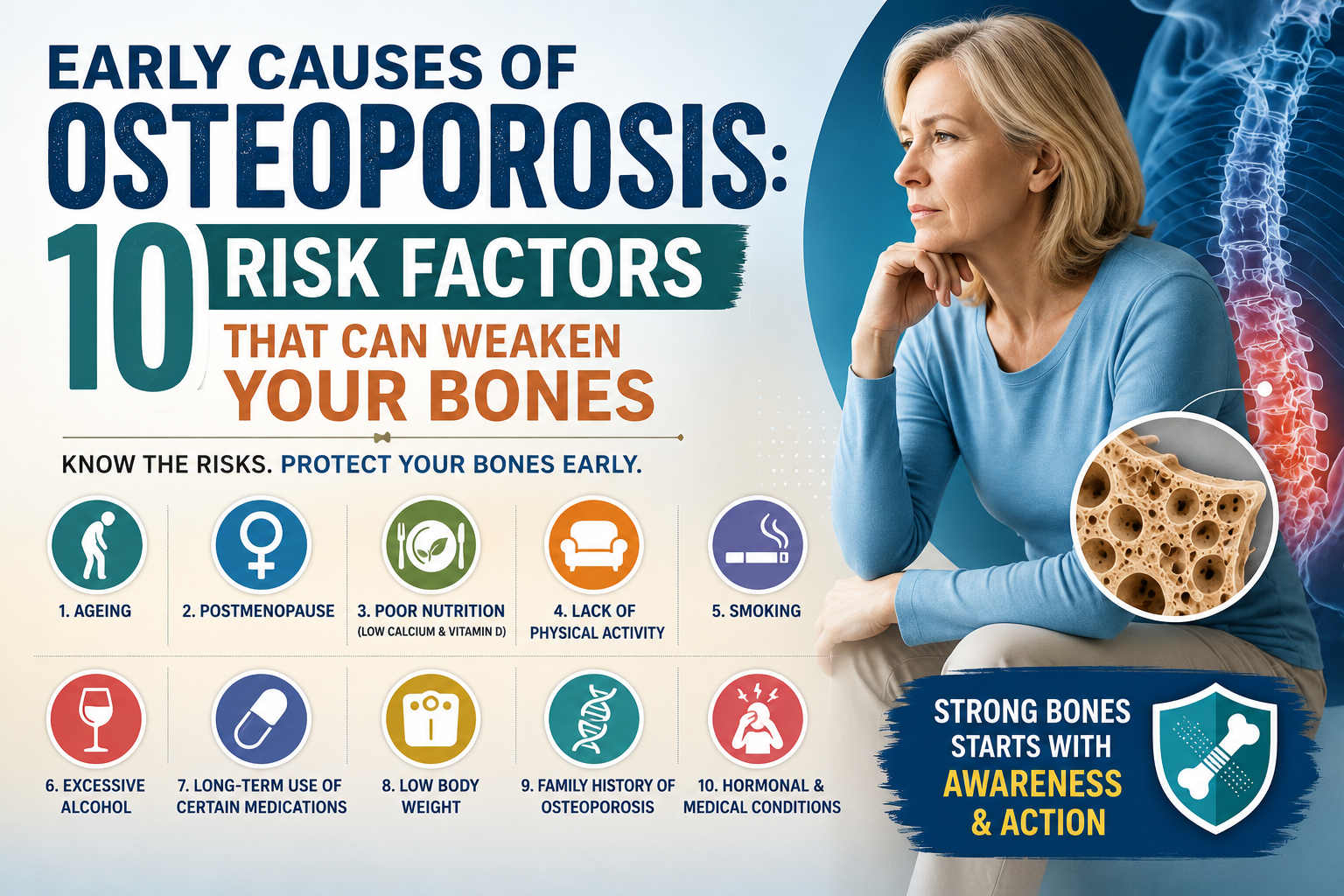
Here are 10 important risk factors that can contribute to early bone loss and increase the likelihood of developing osteoporosis.

Click Here To Watch Video to Treat Osteoporosis Disease Naturally!..
1. Getting Older
Age is one of the strongest risk factors for osteoporosis. Bones typically reach their peak mass in early adulthood. After that, the body gradually begins to lose bone faster than it can replace it.
The amount of bone you build during your younger years can influence your skeletal health later in life. People who achieve a higher peak bone mass may have a greater reserve as natural bone loss occurs.
Bone loss tends to become more significant with advancing age, particularly when other risk factors are present.
However, osteoporosis is not simply an unavoidable consequence of aging. Maintaining an active lifestyle, eating a balanced diet, avoiding smoking, and addressing medical risk factors can help support bone health throughout adulthood.
2. Menopause and Hormonal Changes
Hormonal changes are an important cause of accelerated bone loss, particularly in women.
Estrogen plays an important role in maintaining bone tissue. Around menopause, estrogen levels decline significantly. This can cause bone breakdown to accelerate, potentially leading to a faster reduction in bone density.
Women who experience early menopause may have a longer period of life with lower estrogen levels and therefore may have increased osteoporosis risk.
Hormonal problems can also affect bone health in men. Low testosterone and certain hormonal disorders may contribute to reduced bone density.
If you experience an early or premature menopause, irregular menstrual periods, or symptoms suggesting a hormonal disorder, discussing your bone-health risk with a healthcare professional may be worthwhile.
3. Family History of Osteoporosis
Your genes can influence the strength, structure, and density of your bones.
Having a parent or close family member with osteoporosis—particularly a history of hip fracture—can increase your risk.
Family history does not mean you will definitely develop osteoporosis. Instead, it is one piece of the overall risk picture.
If osteoporosis or hip fractures run in your family, tell your healthcare professional. They may consider your family history when deciding whether you need an assessment of bone density or fracture risk.
Knowing your family history early can also encourage healthier lifestyle choices before significant bone loss occurs.
4. Not Getting Enough Calcium and Vitamin D
Nutrition plays a major role in maintaining healthy bones.
Calcium is an essential mineral that gives bones much of their strength and structure. If your diet consistently provides insufficient calcium, your body may draw calcium from bone stores to maintain normal levels in the blood.
Vitamin D is also important because it helps the body absorb calcium. Inadequate vitamin D can interfere with calcium absorption and bone metabolism.
Poor nutrition does not necessarily mean someone has an eating disorder or severe dietary restriction. People may simply consume too few calcium-rich foods or have limited vitamin D intake.
Good dietary sources of calcium can include dairy products, fortified foods, some leafy greens, tofu prepared with calcium, and certain fish.
If you are concerned about your calcium or vitamin D intake, a healthcare professional or registered dietitian can help you determine what is appropriate for your individual needs.
5. Lack of Physical Activity
Bones respond to physical stress. Regular weight-bearing and resistance activities can help support bone strength and muscle function.
A highly inactive lifestyle, on the other hand, may contribute to weaker bones and reduced muscle strength.
Activities such as walking, climbing stairs, dancing, and resistance exercises can provide useful physical stimulation for the skeleton. Strengthening muscles can also improve balance and mobility, which may reduce the likelihood of falls.
You do not necessarily need intense workouts to support bone health. Consistency is important.
If you have osteoporosis, very low bone density, or a history of fractures, ask a healthcare professional or physical therapist which exercises are safe for you. Certain high-impact or twisting movements may not be appropriate for everyone.
6. Smoking
Smoking can negatively affect bone health and is recognized as an important osteoporosis risk factor.
Tobacco use can interfere with normal bone remodeling and may contribute to lower bone density. Smoking is also associated with an increased risk of fractures.
The effects of smoking extend beyond bones. Tobacco use can affect cardiovascular and respiratory health and may interfere with overall physical fitness.
If you smoke, quitting can be an important step toward protecting your long-term health. People who need help stopping can discuss evidence-based cessation strategies with a healthcare professional.
Even if you have smoked for many years, making a change now can still benefit your health.
7. Excessive Alcohol Consumption
Heavy alcohol consumption can increase the risk of poor bone health and fractures.
Excessive alcohol intake may interfere with bone formation, nutrition, hormone function, and muscle health. It can also increase the likelihood of falls, which become particularly dangerous when bones are fragile.
Alcohol may also replace nutrient-rich foods in the diet, potentially contributing to inadequate intake of nutrients important for skeletal health.
Reducing excessive alcohol consumption can therefore be beneficial for both bone health and overall wellness.
If you drink alcohol, discuss your consumption with a healthcare professional if you are concerned about how it may affect your health or medications.
8. Long-Term Use of Certain Medications
Some medications can increase the risk of bone loss, particularly when used for a long period or at higher doses.
One of the most important examples is long-term corticosteroid therapy, which may be prescribed for conditions such as inflammatory or autoimmune diseases.
Corticosteroids can interfere with bone formation and increase bone breakdown. They may also affect calcium metabolism and contribute to muscle weakness, which can increase fracture risk.
Other medications may also influence bone health depending on the drug, dose, and duration of treatment.
Importantly, you should never stop a prescribed medication on your own because you are concerned about osteoporosis. Instead, ask your healthcare professional whether your medication affects bone health and whether preventive measures or bone-density monitoring are appropriate.
9. Certain Medical Conditions
Some medical conditions can increase the risk of osteoporosis or secondary bone loss.
Examples include conditions affecting:
- The thyroid or parathyroid glands
- The kidneys
- The liver
- The digestive system
- Hormone production
- Nutrient absorption
For example, some gastrointestinal conditions can make it difficult for the body to absorb calcium, vitamin D, and other nutrients.
Certain inflammatory diseases can also increase osteoporosis risk, either because of the disease itself, reduced physical activity, or medications used to treat it.
Having one of these conditions does not automatically mean you will develop osteoporosis. However, if you have a chronic medical condition, it is worth asking whether it could affect your bone health.
10. Low Body Weight and Poor Nutrition
Being significantly underweight can be associated with lower bone density and a higher risk of fractures.
A very low body weight may reflect inadequate calorie or nutrient intake, chronic illness, digestive problems, or other factors that can affect bone formation.
People who follow highly restrictive diets without appropriate nutritional planning may also be at risk of inadequate calcium, vitamin D, protein, or other nutrients important for maintaining bone and muscle.
Protein deserves particular attention because it supports muscles as well as the structural framework of bone. Maintaining adequate nutrition can therefore benefit both skeletal strength and physical function.
If you are underweight or struggling to maintain a balanced diet, consider discussing your nutritional needs with a healthcare professional or registered dietitian.
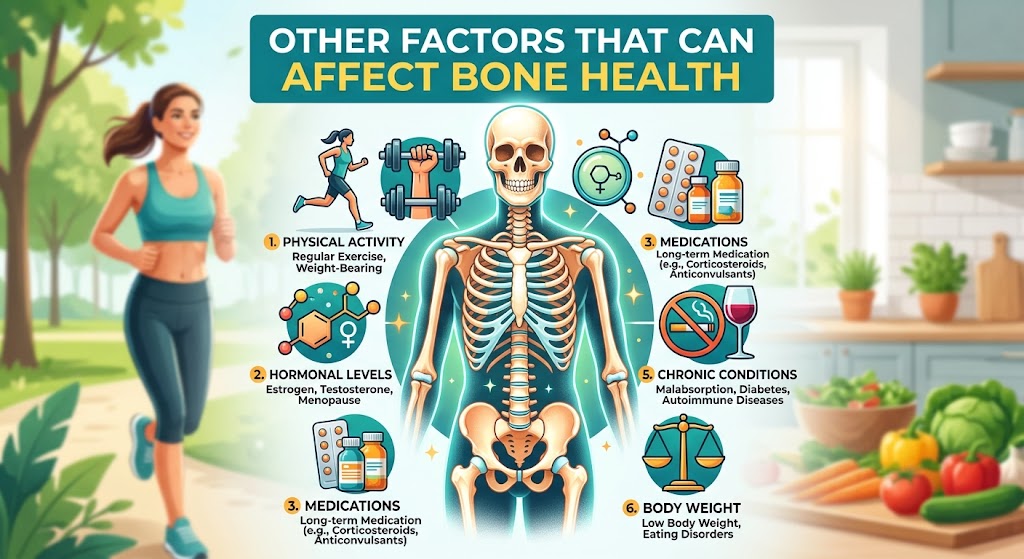
Other Factors That Can Affect Bone Health
Click Here To Watch Video to Treat Osteoporosis Disease Naturally!..
The 10 factors above are important, but osteoporosis risk is usually influenced by a combination of factors rather than one cause.
For example, someone may have a family history of osteoporosis but maintain excellent bone health through adequate nutrition and regular exercise. Another person may have several risk factors, such as smoking, low body weight, inactivity, and long-term corticosteroid use.
Your overall risk depends on your individual circumstances.
Previous fractures are particularly important. A fracture resulting from a relatively minor fall or injury after adulthood may indicate reduced bone strength and should be discussed with a healthcare professional.
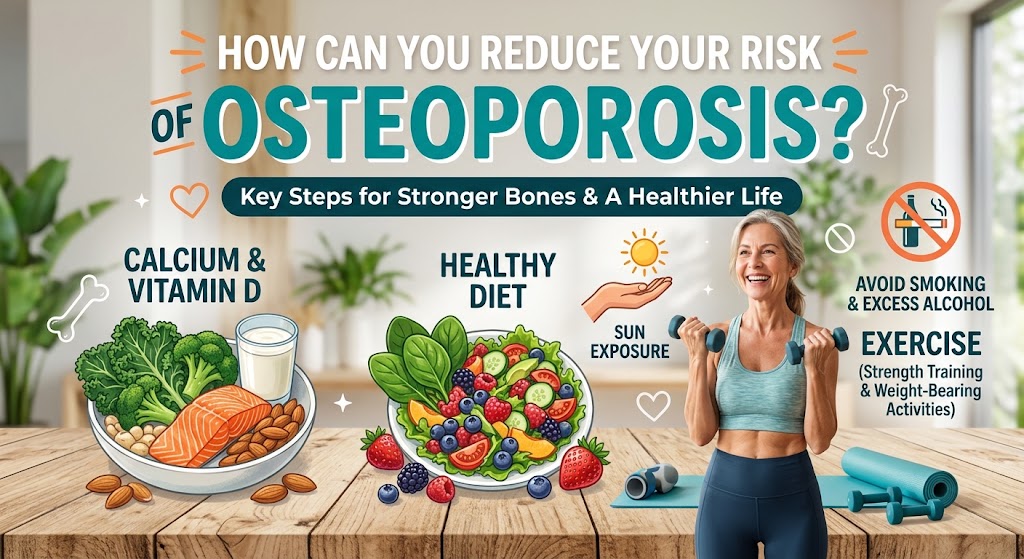
How Can You Reduce Your Risk?
Click Here To Watch Video to Treat Osteoporosis Disease Naturally!..
You cannot change every osteoporosis risk factor, but you can take steps to support your bones.
Eat a Balanced Diet
Include adequate calcium, vitamin D, protein, fruits, vegetables, and other nutrient-rich foods. Avoid highly restrictive diets unless they are medically necessary and professionally supervised.
Exercise Regularly
Combine weight-bearing activity with resistance and balance exercises when appropriate. Physical activity supports bone strength, muscle function, and mobility.
Avoid Smoking
If you smoke, consider a structured plan to quit. Professional support can improve the chances of successful smoking cessation.
Limit Excessive Alcohol
Avoid heavy alcohol consumption and discuss your drinking habits with a healthcare professional if you are concerned about your fracture or bone-health risk.
Review Your Medications
If you take corticosteroids or other medications for a chronic condition, ask your healthcare professional whether they can affect bone density.
Know Your Risk Factors
Pay attention to family history, previous fractures, hormonal changes, body weight, medical conditions, and lifestyle habits. Early awareness can make it easier to take preventive action.
When Should You Talk to a Healthcare Professional?

Click Here To Watch Video to Treat Osteoporosis Disease Naturally!..
Consider discussing osteoporosis with a healthcare professional if you have multiple risk factors, have experienced a fracture after a minor injury, have significant height loss, have a strong family history of osteoporosis or hip fracture, or take medications known to affect bone health.
A DXA/DEXA scan is commonly used to measure bone mineral density. Whether and when you should have one depends on factors such as age, sex, medical history, fracture history, and individual risk.
Your healthcare professional can determine whether bone-density testing or other evaluation is appropriate.
Final Thoughts
Osteoporosis often develops gradually, which means prevention and early awareness are important. Age, hormonal changes, family history, poor nutrition, inactivity, smoking, excessive alcohol, certain medications, medical conditions, and low body weight can all contribute to weakened bones.
Some of these factors cannot be changed, but many can be addressed.
Building strong bones is a lifelong process. Eating well, staying physically active, avoiding smoking, limiting excessive alcohol, maintaining a healthy body weight, and discussing risk factors with a healthcare professional can all contribute to better bone health.
If you are concerned about osteoporosis, do not wait for a fracture before taking action. Understanding your personal risk today can help you make informed decisions about your bone health for the future.
Medical disclaimer: This article is intended for general educational purposes and should not be used as a substitute for professional medical advice, diagnosis, or treatment. If you have concerns about osteoporosis, bone loss, fractures, medications, or nutritional needs, consult a qualified healthcare professional.