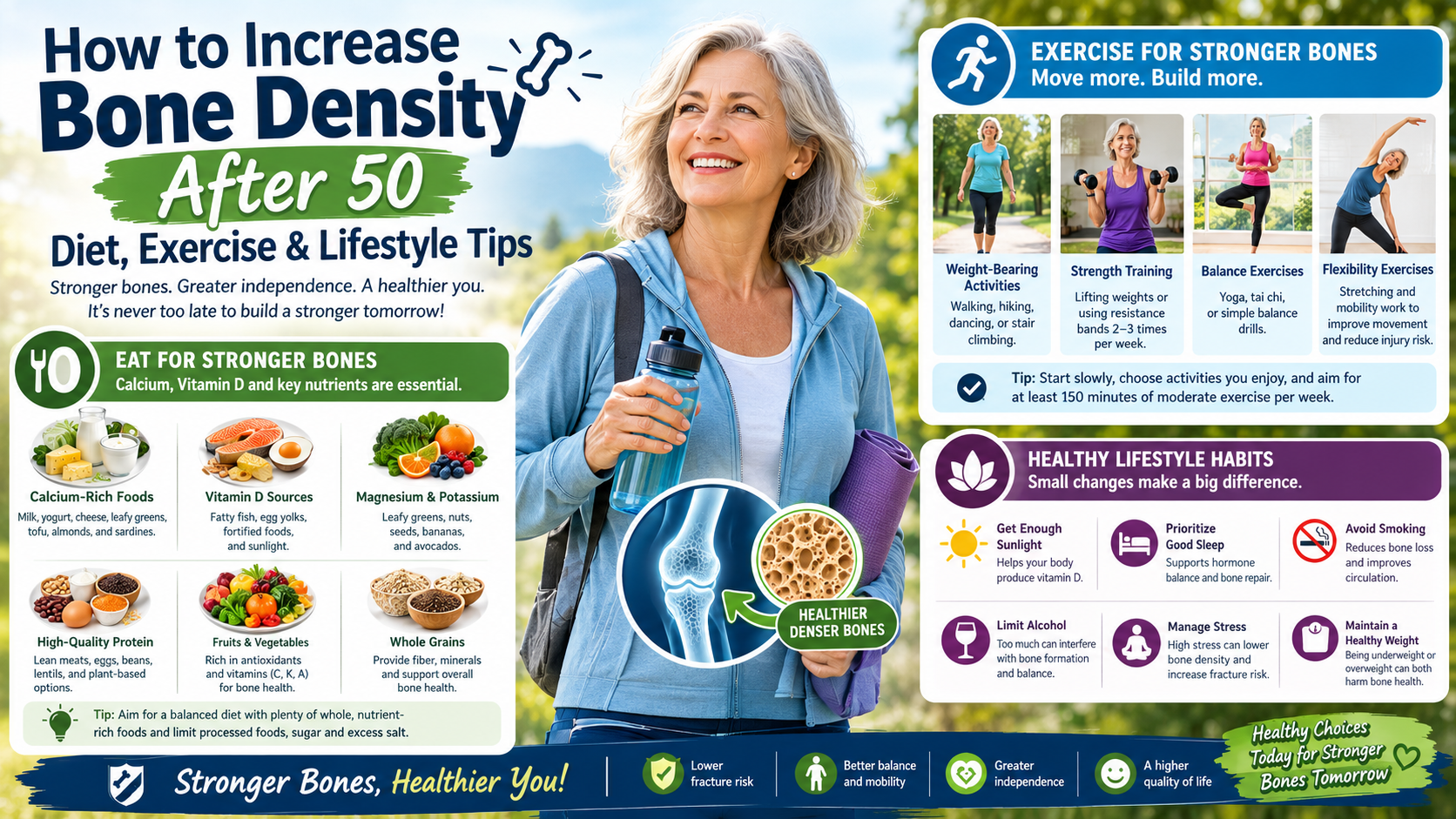
Bone health becomes increasingly important after age 50. As we get older, the body can gradually lose bone tissue, and this process may accelerate after menopause. Over time, lower bone density can increase the risk of osteoporosis and fractures.
The good news is that getting older does not mean you have to accept weak bones as inevitable. Although some age-related bone loss is normal, healthy eating, regular exercise, adequate nutrition, and positive lifestyle habits can help support bone strength and reduce fracture risk.
If you are wondering how to increase bone density after 50, the answer is not one specific food, supplement, or exercise. Stronger bones are supported by a combination of habits maintained consistently over time.
This guide explains practical ways to support bone density after 50 through diet, exercise, and lifestyle changes.
What Happens to Bone Density After 50?

Click Here To Watch Video to Treat Osteoporosis Disease Naturally!..
Bones are living tissues that continuously break down and rebuild. When you are young, bone formation generally keeps pace with or exceeds bone breakdown. With aging, however, the balance can shift toward greater bone loss.
Women may experience more rapid bone loss around and after menopause because estrogen levels decline. Men can also lose bone density with age, particularly when other risk factors are present.
Lower bone density does not always cause symptoms. In fact, osteoporosis is often called a “silent” condition because people may not know they have it until a fracture occurs.
That is why prevention, risk assessment, and appropriate testing become especially important as you get older.
1. Eat Enough Calcium-Rich Foods
Calcium is one of the most important minerals for maintaining healthy bones. Your body uses calcium to build and maintain bone tissue, while bones also serve as an important storage site for calcium.
Rather than relying on one food, aim for a balanced diet containing several calcium-rich options.
Good choices include:
- Milk
- Yogurt
- Cheese
- Calcium-fortified plant beverages
- Calcium-set tofu
- Sardines or canned salmon with bones
- Some leafy green vegetables
- Beans and lentils
- Calcium-fortified foods
Your individual calcium needs depend on factors such as age, sex, and overall health. Food is generally a good starting point, while supplements may be appropriate for some people who cannot meet their needs through diet.
Avoid taking large amounts of calcium supplements without professional guidance. More is not necessarily better, and excessive supplementation may not provide additional bone benefits.
2. Make Sure You Get Enough Vitamin D
Vitamin D plays an important role in calcium absorption and overall bone health.
The body can produce vitamin D through exposure to sunlight, and it can also come from foods and supplements.
Sources may include:
- Fatty fish such as salmon
- Egg yolks
- Fortified milk
- Fortified plant beverages
- Fortified cereals
- Vitamin D supplements when recommended
Vitamin D requirements vary from person to person. People with limited sun exposure, certain medical conditions, or dietary restrictions may be at increased risk of inadequate vitamin D.
If you are concerned about your vitamin D level, discuss testing and supplementation with your healthcare professional.
3. Eat Enough Protein
Protein is often associated with muscle health, but it also plays a role in maintaining healthy bones.
Maintaining muscle becomes particularly important after 50 because stronger muscles can support mobility, balance, and independence.
Include protein-rich foods throughout the day, such as:
- Eggs
- Fish
- Chicken
- Yogurt
- Milk
- Beans
- Lentils
- Tofu
- Nuts and seeds
- Lean meats
Try to combine protein with vegetables, whole grains, fruits, and healthy fats for an overall balanced diet.
Avoid extremely restrictive diets that make it difficult to consume enough calories, protein, vitamins, and minerals.
4. Do Weight-Bearing Exercise
Exercise is one of the most useful lifestyle strategies for supporting bone and muscle health.
Weight-bearing activities require your body to work against gravity. Examples include:
- Walking
- Hiking
- Stair climbing
- Dancing
- Low-impact aerobics
- Certain recreational sports
Walking is an excellent starting point for many beginners. You can begin with short sessions and gradually increase your duration as your fitness improves.
However, people with osteoporosis or a history of fractures may need individualized recommendations. Some high-impact activities may not be appropriate for everyone.
5. Add Resistance Training
Resistance exercise is particularly valuable after 50 because it can help maintain or build muscle strength while providing mechanical loading that supports bone health.
You do not necessarily need a gym membership. Depending on your fitness level, resistance training can involve:
- Resistance bands
- Light dumbbells
- Weight machines
- Body-weight exercises
- Functional movements
Beginner exercises such as controlled sit-to-stands, wall push-ups, and appropriately modified leg exercises can be useful starting points.
Aim for proper technique rather than lifting the heaviest possible weight. Gradually increasing resistance over time can help your muscles adapt safely.
If you have osteoporosis, spinal fractures, or significant bone loss, seek professional advice about which resistance exercises are appropriate.
6. Improve Balance to Prevent Falls
Increasing bone density is only one part of protecting your bones.
Fall prevention is equally important because even bones with reasonable density can fracture during a serious fall.
Balance exercises can help improve stability and confidence with movement.
Examples include:
- Standing near a sturdy support
- Heel-to-toe walking when appropriate
- Controlled weight shifting
- Leg-strengthening exercises
- Tai chi or other appropriately modified balance activities
If your balance is poor, avoid challenging exercises without support. A physical therapist can help develop a personalized balance program.
7. Maintain Good Posture
Posture becomes particularly important when managing bone health after 50.
Poor posture can place additional stress on the spine, while certain spinal movements may be inappropriate for people with osteoporosis.
Simple posture-focused activities may include:
- Gentle shoulder-blade squeezes
- Upright standing practice
- Controlled upper-back strengthening
- Exercises that strengthen the muscles supporting an upright posture
If you have osteoporosis or vertebral fractures, avoid exercises involving forceful or repeated forward bending and twisting unless specifically recommended by a qualified professional.
8. Stop Smoking
Smoking can negatively affect bone health and is an important modifiable osteoporosis risk factor.
If you smoke, quitting can benefit your bones as well as your heart, lungs, and overall health.
Quitting may be difficult, particularly if you have smoked for many years. Consider speaking with a healthcare professional about evidence-based smoking-cessation strategies.
Even if you have already experienced bone loss, stopping smoking is still a worthwhile step toward improving your overall health.
9. Limit Excessive Alcohol
Heavy alcohol consumption can contribute to poorer bone health and may also increase the risk of falls.
If you drink alcohol, staying within recommended limits is important. People at increased fracture risk may need individualized advice about whether avoiding alcohol altogether would be preferable.
Alcohol can also affect nutritional habits, sleep, balance, and physical activity, making moderation an important part of a bone-friendly lifestyle.
10. Maintain a Healthy Body Weight
Being significantly underweight can increase the risk of low bone density and fractures.
After 50, the goal should not be extreme dieting or rapid weight loss. Instead, focus on maintaining a healthy body weight through balanced nutrition and regular physical activity.
If you need to lose weight, choose a gradual approach that provides enough protein, calcium, vitamin D, and other essential nutrients.
If you are underweight or experiencing unexplained weight loss, discuss it with your healthcare professional.
11. Get Enough Sleep and Stay Physically Active
A healthy lifestyle supports more than just your bones.
Regular physical activity can help maintain strength and mobility, while adequate sleep supports recovery and overall well-being.
Try to avoid spending most of the day sitting. Simple habits can make a difference:
- Take short walking breaks
- Use stairs when appropriate
- Perform household activities
- Spend less time sitting continuously
- Include planned exercise during the week
Consistency is more important than trying to make dramatic changes overnight.
12. Review Medications and Medical Conditions
Certain medications and medical conditions can contribute to bone loss.
Long-term use of some corticosteroid medications, for example, can increase osteoporosis risk. Other conditions affecting hormones, nutrient absorption, the kidneys, or other body systems may also influence bone health.
Never stop a prescribed medication on your own.
Instead, ask your healthcare professional whether any of your medications or medical conditions could affect your bones and whether monitoring or treatment is appropriate.
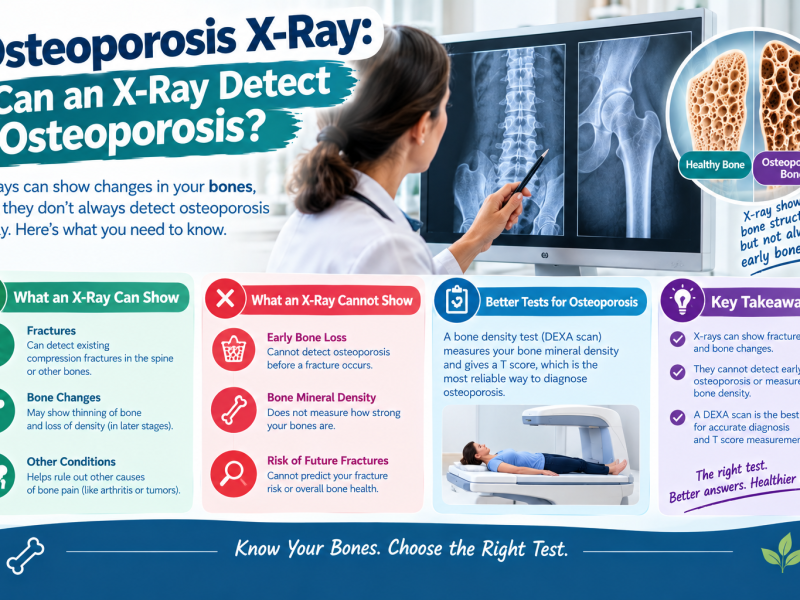
Should You Get a Bone Density Test After 50?

Click Here To Watch Video to Treat Osteoporosis Disease Naturally!..
If you are concerned about your bone density, talk with a healthcare professional about whether a bone density test is appropriate.
A DXA or DEXA scan is commonly used to measure bone mineral density, particularly at the hip and spine. Your healthcare professional may also consider factors such as age, sex, fracture history, family history, medications, and other risk factors when determining your fracture risk.
Testing can be particularly important for people with multiple osteoporosis risk factors or a history of fractures.
Remember that you do not have to wait for symptoms to appear before discussing bone health.
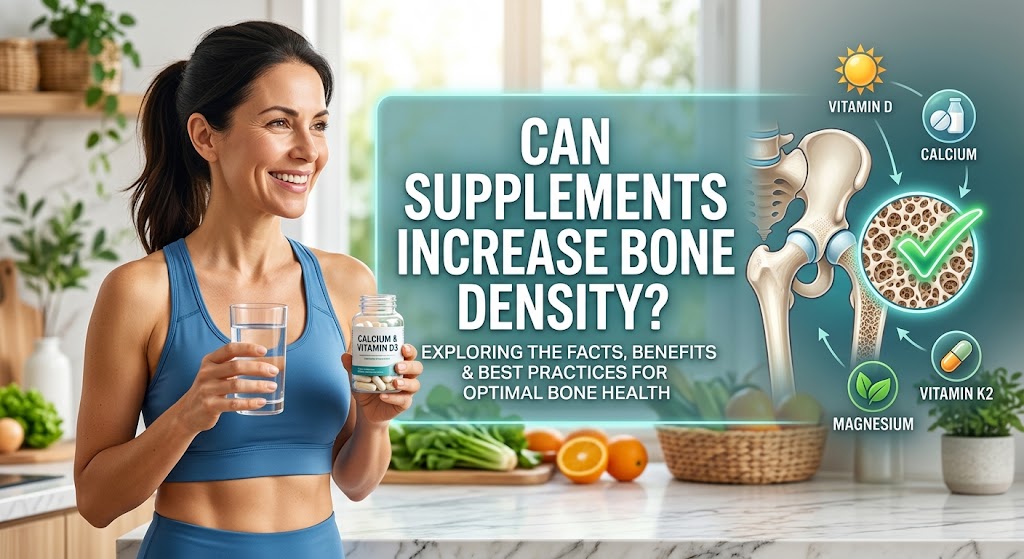
Can Supplements Increase Bone Density?
Click Here To Watch Video to Treat Osteoporosis Disease Naturally!..
Supplements can be useful when someone is not getting enough calcium or vitamin D through diet and other sources.
However, supplements should not be viewed as a quick solution for osteoporosis.
Taking more calcium or vitamin D than necessary does not automatically produce stronger bones and can cause problems in some circumstances.
Before starting supplements, consider discussing:
- Your dietary intake
- Your vitamin D status
- Your medications
- Your medical history
- Appropriate dosage
- Potential interactions
If you have diagnosed osteoporosis, your healthcare professional may recommend prescription treatment in addition to lifestyle changes.
A Simple Daily Bone-Health Routine After 50

Click Here To Watch Video to Treat Osteoporosis Disease Naturally!..
Creating a routine can make healthy habits easier to maintain.
Morning
Start with a nutritious breakfast containing protein and a calcium-rich food, such as yogurt, milk, or a fortified alternative.
During the day
Stay physically active. Take regular walking breaks and avoid sitting for long uninterrupted periods.
Exercise time
Include weight-bearing activity and resistance training according to your fitness level and medical guidance.
Meals
Build meals around vegetables, fruits, whole grains, protein-rich foods, and calcium-containing foods.
Evening
Limit excessive alcohol, maintain a regular sleep schedule, and prepare for the next day’s activity.
Small habits repeated consistently can have a greater impact than short periods of extreme effort.
What Should You Avoid if You Want Stronger Bones?

Click Here To Watch Video to Treat Osteoporosis Disease Naturally!..
Some habits can work against your bone-health goals.
Try to avoid:
- Smoking
- Excessive alcohol consumption
- Extremely restrictive diets
- Prolonged physical inactivity
- Excessive reliance on supplements
- Rapid weight-loss programs
- Unsafe exercise techniques
- Ignoring recurrent falls or fractures
You should also be cautious about online “bone-building” products that promise dramatic improvements without strong evidence.
The Bottom Line
Learning how to increase bone density after 50 involves more than adding a single food or supplement to your routine. Healthy bones require a combination of adequate nutrition, appropriate exercise, muscle strength, balance, and healthy lifestyle habits.
Prioritize calcium-rich foods, adequate vitamin D and protein, regular weight-bearing activity, resistance training, balance exercises, and good posture. Avoid smoking and excessive alcohol, maintain a healthy body weight, and stay physically active throughout the day.
If you have osteoporosis, a previous fracture, significant risk factors, or concerns about bone loss, talk with a healthcare professional about bone-density testing and an individualized prevention or treatment plan.
You cannot completely stop the aging process, but you can take meaningful steps to support stronger bones and healthier aging after 50.
Medical Disclaimer: This article is for general educational purposes only and is not a substitute for professional medical advice, diagnosis, or treatment. Exercise and nutritional needs vary between individuals. If you have osteoporosis, a history of fractures, or other health conditions, consult your doctor or a qualified healthcare professional before making significant changes to your diet, supplements, or exercise program.