Osteoporosis becomes increasingly important as people get older because bones naturally become less dense and more fragile with age. For some older adults, bone loss can become significant enough to increase the risk of fractures in the hip, spine, wrist, and other parts of the body.
The good news is that osteoporosis can be managed. Treatment is not limited to medication. A comprehensive osteoporosis treatment plan may include appropriate prescription medicines, adequate calcium and vitamin D, strength and weight-bearing exercise, fall prevention, healthy lifestyle habits, and regular monitoring.
If you or an older family member has osteoporosis, the goal is not simply to increase bone density. The bigger goal is to reduce fracture risk, maintain mobility, and preserve independence and quality of life.
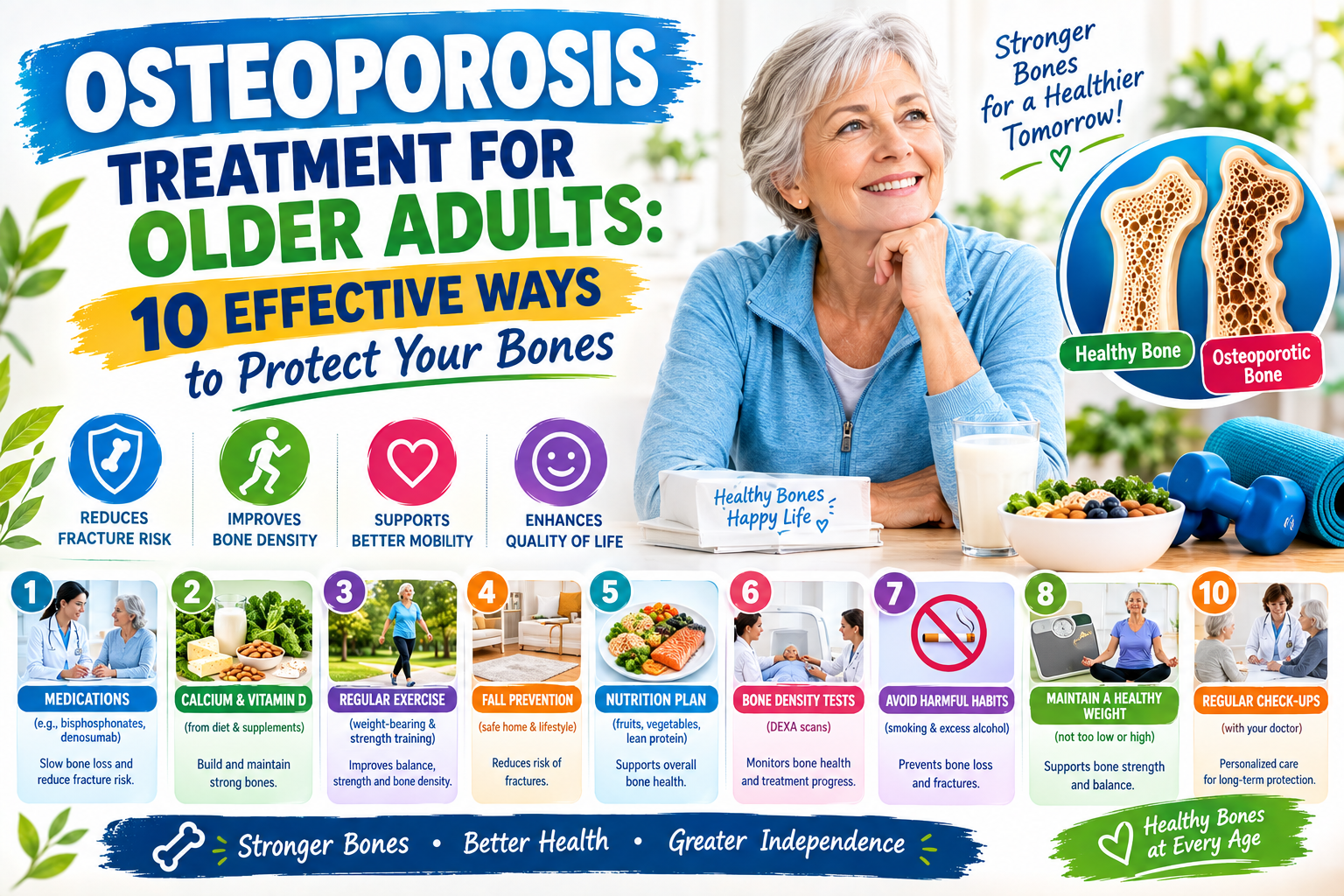
Here are 10 effective ways older adults can protect their bones.

Click Here To Watch Video to Treat Osteoporosis Disease Naturally!..
1. Get a Proper Osteoporosis Assessment
The first step in treating osteoporosis is understanding your individual fracture risk.
A healthcare professional may consider:
- Age
- Previous fractures
- Family history
- Bone-density results
- Current medications
- Other medical conditions
- Body weight
- Smoking and alcohol use
- Risk of falling
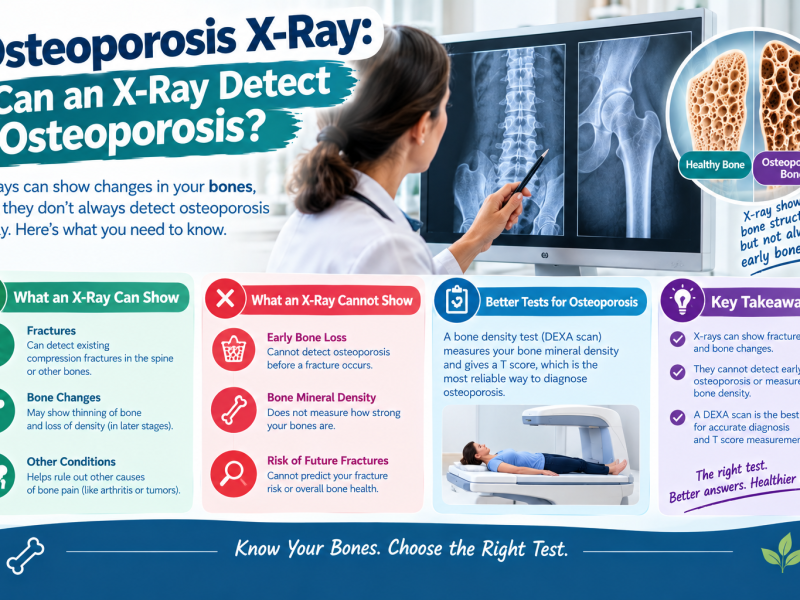
A DXA or DEXA scan is commonly used to measure bone mineral density at areas such as the hip and spine.
Your healthcare professional may also use a fracture-risk assessment to estimate the likelihood of future fractures.
A proper evaluation is important because osteoporosis can exist without obvious symptoms. Some people only discover they have low bone density after breaking a bone.
2. Take Prescribed Osteoporosis Medication When Recommended
For older adults with significant osteoporosis or high fracture risk, medication may be an important part of treatment.
Depending on the individual’s situation, doctors may recommend different types of osteoporosis medicines. These can include medications that slow bone loss or treatments that stimulate bone formation.
Some commonly used medication classes include:
- Bisphosphonates
- Denosumab
- Selective estrogen receptor modulators in appropriate patients
- Anabolic or bone-forming therapies
- Other osteoporosis treatments selected according to individual risk
The best medication depends on factors such as fracture history, kidney function, other medical conditions, medications, and personal circumstances.
It is important to take osteoporosis medicine exactly as prescribed. Do not stop or change treatment without talking with your healthcare professional.
For some medicines, stopping treatment suddenly or delaying doses can have consequences, so follow-up care is essential.
3. Get Enough Calcium
Calcium is an essential mineral for maintaining bone structure.
Older adults should aim to meet their individual calcium requirements through a balanced diet whenever possible.
Calcium-rich foods include:
- Milk
- Yogurt
- Cheese
- Calcium-fortified plant beverages
- Calcium-set tofu
- Sardines with edible bones
- Canned salmon with bones
- Some leafy green vegetables
- Beans and other calcium-containing foods
Spreading calcium-containing foods throughout the day can make it easier to meet nutritional needs.
Calcium supplements may be appropriate when dietary intake is insufficient, but taking more is not necessarily better. Excessive supplementation can create health concerns for some people.
Before taking a calcium supplement, discuss your dietary intake and medical history with your healthcare professional.
4. Maintain Adequate Vitamin D
Vitamin D supports calcium absorption and plays an important role in bone health.
Older adults may be at greater risk of inadequate vitamin D because of factors such as limited outdoor activity, dietary limitations, or reduced vitamin D production with age.
Sources include:
- Fatty fish
- Egg yolks
- Fortified milk
- Fortified plant beverages
- Fortified cereals
- Appropriate supplements
The right amount of vitamin D varies between individuals.
If you are concerned about vitamin D deficiency, ask your healthcare professional whether testing is appropriate and whether supplementation is necessary.
Avoid taking very high doses without professional guidance.
5. Perform Safe Weight-Bearing Exercise
Physical activity is an important component of osteoporosis management.
Weight-bearing exercises require your body to work against gravity and can provide beneficial mechanical loading to bones.
Examples include:
- Walking
- Stair climbing
- Hiking
- Dancing
- Low-impact aerobic activities
Walking is often a practical starting point for older adults.
Start with a comfortable amount and gradually increase your activity as your fitness improves.
However, people with severe osteoporosis or previous fractures may need modifications. Not every exercise is suitable for every person.
A physical therapist or qualified exercise professional can help develop a safe routine.
6. Add Strength and Resistance Training
Resistance training helps maintain muscle strength, which becomes particularly important with aging.
Stronger muscles can improve mobility and stability and may help older adults perform everyday activities more safely.
Exercises can include:
- Sit-to-stand movements
- Resistance-band exercises
- Light free weights
- Weight machines
- Appropriate body-weight exercises
For example, a chair sit-to-stand exercise can strengthen the thighs and hips:
- Sit on a sturdy chair.
- Place your feet firmly on the floor.
- Lean forward slightly while maintaining controlled posture.
- Stand up.
- Slowly lower yourself back into the chair.
- Repeat several times.
Beginners should prioritize proper technique over heavy resistance.
If you have spinal osteoporosis or previous vertebral fractures, ask a professional to show you appropriate exercises and movements.
7. Practice Balance Exercises and Prevent Falls
For older adults with osteoporosis, fall prevention is one of the most important parts of fracture prevention.
A fall can result in a hip, wrist, shoulder, or spinal fracture, particularly when bones are fragile.
Balance exercises can help improve stability.
Examples may include:
- Supported standing exercises
- Controlled weight shifting
- Heel-to-toe walking when appropriate
- Tai chi
- Leg-strengthening exercises
Safety should always come first.
At home, reduce fall hazards by:
- Removing loose rugs
- Keeping floors and walkways clear
- Improving lighting
- Installing handrails where needed
- Using bathroom grab bars when appropriate
- Wearing supportive footwear
- Keeping frequently used objects within easy reach
If you have fallen recently or feel unsteady while walking, discuss this with your healthcare professional.
8. Protect Your Spine and Practice Good Movement
Spinal fractures are a common concern in people with osteoporosis.
Some movements can place excessive stress on weakened vertebrae, particularly forceful or repeated forward bending and twisting.
Older adults with osteoporosis should learn safe movement techniques for everyday activities.
When lifting an object:
- Keep it close to your body.
- Avoid sudden movements.
- Bend at the hips and knees as appropriate.
- Avoid combining heavy lifting with twisting.
- Ask for assistance with heavy objects.
Some exercises involving deep spinal flexion, such as certain abdominal crunches, may need to be avoided or modified in people with osteoporosis.
Yoga and Pilates can be beneficial forms of exercise for some people, but instructors should know about osteoporosis so movements can be adapted appropriately.
9. Stop Smoking and Limit Excessive Alcohol
Lifestyle habits can influence bone health.
Smoking is associated with poorer bone health and can increase fracture risk. Quitting smoking is therefore an important step for older adults who want to protect their bones.
Heavy alcohol consumption can also negatively affect bone health and may increase the likelihood of falls.
If you drink alcohol, discuss appropriate limits with your healthcare professional, particularly if you take medications or have other health conditions.
Stopping smoking and reducing excessive alcohol consumption can benefit not only your bones but also your overall health.
10. Maintain Good Nutrition, Healthy Weight, and Regular Monitoring
Bone health depends on more than calcium and vitamin D.
Older adults should aim for a varied diet that provides:
- Protein
- Calcium
- Vitamin D
- Magnesium
- Vitamin K
- Fruits and vegetables
- Whole grains
- Healthy fats
Good protein sources include eggs, fish, poultry, dairy products, beans, lentils, tofu, nuts, and seeds.
Adequate protein is particularly important for maintaining muscle mass and physical function as people age.
Being significantly underweight can increase fracture risk, while extreme dieting can make it difficult to obtain enough nutrients.
Regular medical follow-up is also important. Your healthcare professional may recommend repeat bone-density testing or other monitoring depending on your treatment and fracture risk.
What About Natural Osteoporosis Treatments?

Click Here To Watch Video to Treat Osteoporosis Disease Naturally!..
Many older adults search for natural osteoporosis treatments because they prefer to avoid medication.
Healthy lifestyle strategies are valuable, but they should not automatically replace proven medical treatment when osteoporosis is diagnosed.
There is no single food, herb, tea, or supplement that reliably cures osteoporosis.
A natural approach can include:
- Eating a nutrient-rich diet
- Getting adequate calcium and vitamin D
- Exercising safely
- Maintaining muscle strength
- Preventing falls
- Avoiding smoking
- Limiting excessive alcohol
These strategies can complement medical treatment.
If your doctor recommends osteoporosis medication, discuss any concerns rather than stopping treatment on your own.
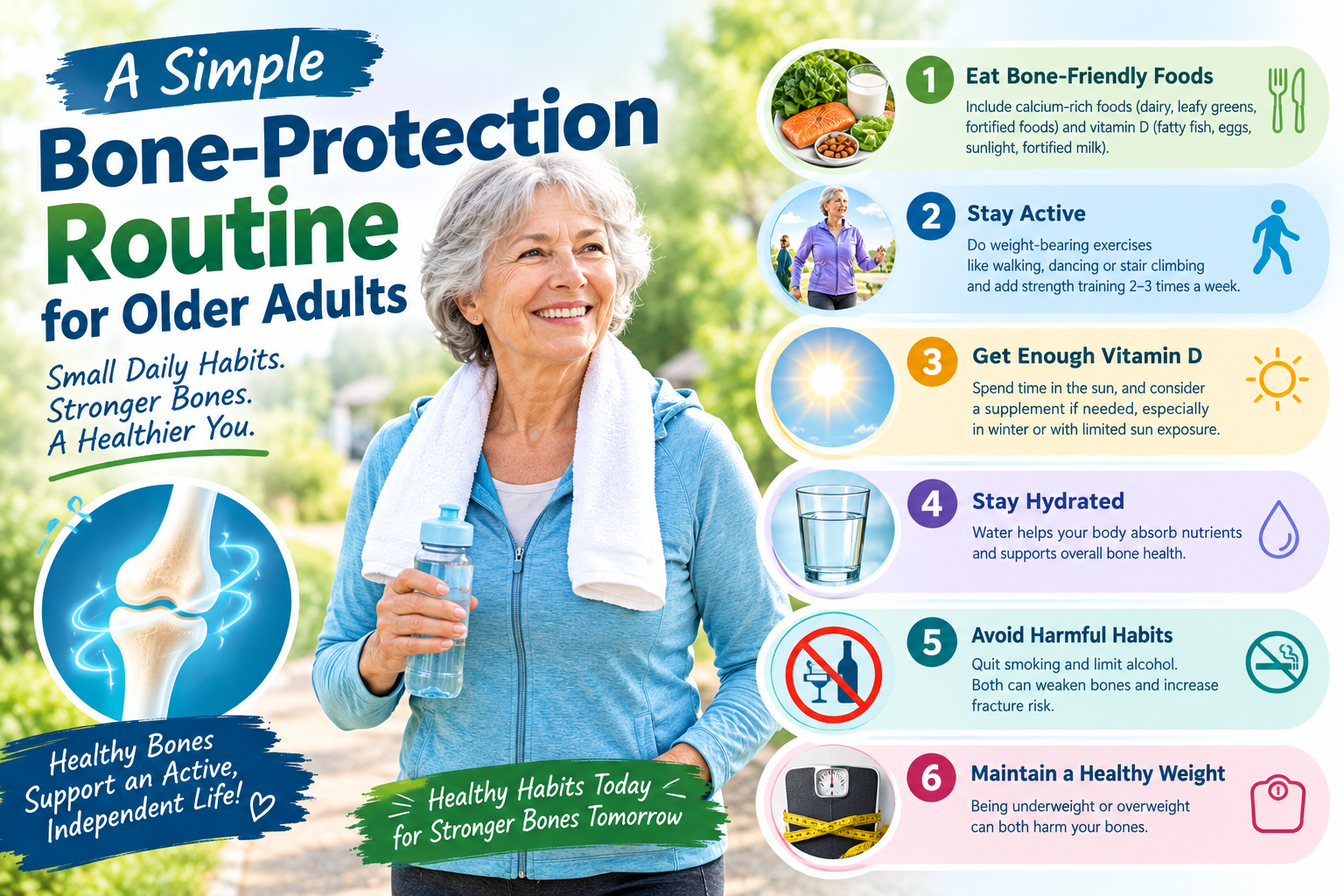
A Simple Bone-Protection Routine for Older Adults
Click Here To Watch Video to Treat Osteoporosis Disease Naturally!..
Creating a realistic weekly routine can make bone-health habits easier to maintain.
Monday
Walking plus a short resistance-training session.
Tuesday
Balance exercises and gentle physical activity.
Wednesday
Walking or another appropriate weight-bearing activity.
Thursday
Resistance exercises and posture-focused movements.
Friday
Walking and balance practice.
Saturday
Light strength training or another enjoyable physical activity.
Sunday
Rest, recovery, and meal planning.
The exact routine should be adapted to your fitness level and health conditions.
Older adults with severe osteoporosis, recent fractures, significant balance problems, or other medical conditions should seek professional guidance before starting a new exercise program.
When Should Older Adults Seek Medical Help?

Click Here To Watch Video to Treat Osteoporosis Disease Naturally!..
Contact a healthcare professional if you experience:
- A fracture after a minor fall or routine activity
- New or persistent back pain
- Noticeable loss of height
- Increasingly stooped posture
- Repeated falls
- Difficulty walking or maintaining balance
- Side effects from osteoporosis medication
- Concerns about calcium or vitamin D intake
A fracture can sometimes be the first sign that osteoporosis has become significant.
Early assessment can help identify the cause and determine whether additional treatment is needed.
The Bottom Line
Osteoporosis treatment for older adults works best when it addresses both bone strength and fracture prevention.
The 10 key strategies are:
- Get an appropriate osteoporosis and fracture-risk assessment.
- Take prescribed osteoporosis medication when recommended.
- Get adequate calcium from a balanced diet.
- Maintain adequate vitamin D.
- Perform safe weight-bearing exercise.
- Include resistance and strength training.
- Practice balance exercises and prevent falls.
- Protect the spine and use safe movement techniques.
- Stop smoking and limit excessive alcohol.
- Maintain good nutrition, healthy body weight, and regular monitoring.
The goal is not simply to build stronger bones. It is also to maintain strength, balance, mobility, independence, and quality of life.
If you are an older adult living with osteoporosis, small changes made consistently can make a meaningful difference. Work with your healthcare team to develop a personalized treatment and exercise plan that fits your bone health, medical history, medications, and daily lifestyle.