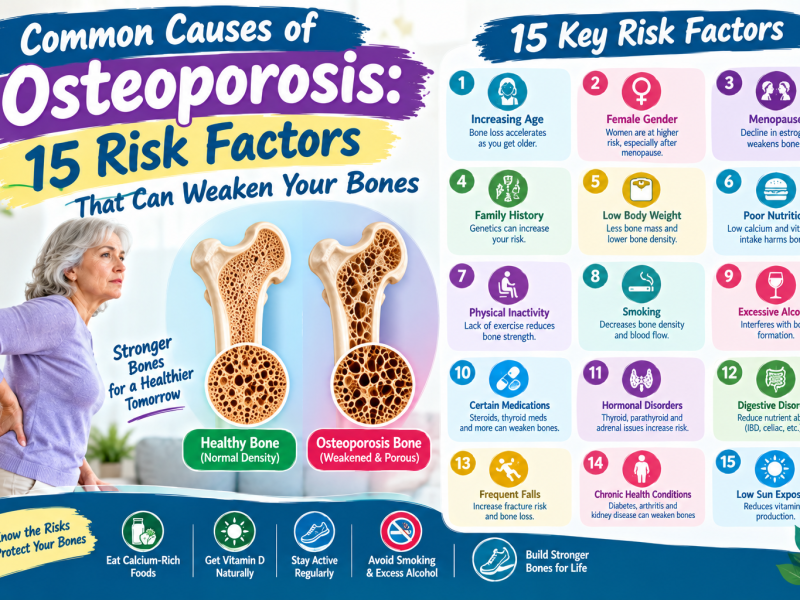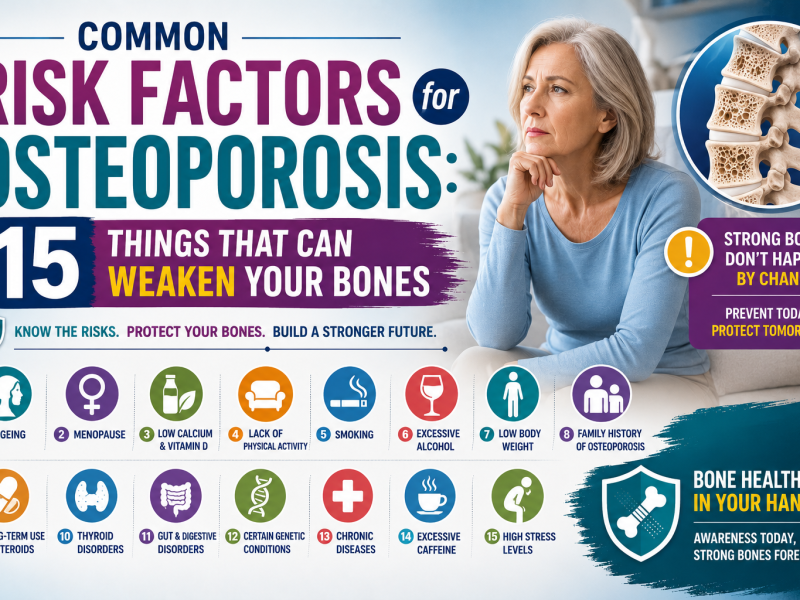
Osteoporosis is a condition that weakens bones, making them less dense and more likely to break. It often develops gradually without obvious symptoms, so many people do not know they have it until they experience a fracture.
Although osteoporosis can affect anyone, certain people have a higher risk of developing the condition. Age, hormonal changes, family history, body weight, lifestyle habits, medical conditions, and some medications can all influence bone health.
Understanding the common risk factors for osteoporosis can help you recognize whether you may need a bone density test or changes to protect your bones. While some risk factors cannot be changed, many can be managed with appropriate healthcare and healthy habits.
What Is Osteoporosis?
Click Here To Watch Video to Treat Osteoporosis Disease Naturally!..
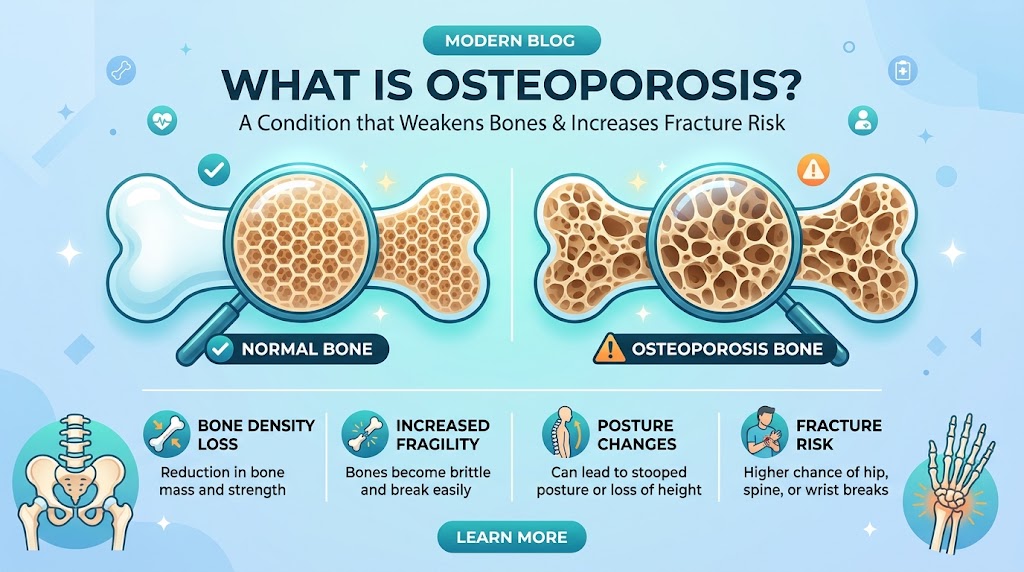
Osteoporosis develops when the body loses too much bone, makes too little new bone, or both. Healthy bones constantly break down old tissue and replace it with new tissue. When this balance changes, bone mineral density and bone structure can deteriorate.
As bones become weaker, fractures may occur after relatively minor falls or injuries. Common fracture sites include the hip, spine, and wrist.
Osteoporosis is sometimes called a “silent disease” because bone loss usually does not cause pain or noticeable symptoms until a fracture occurs.
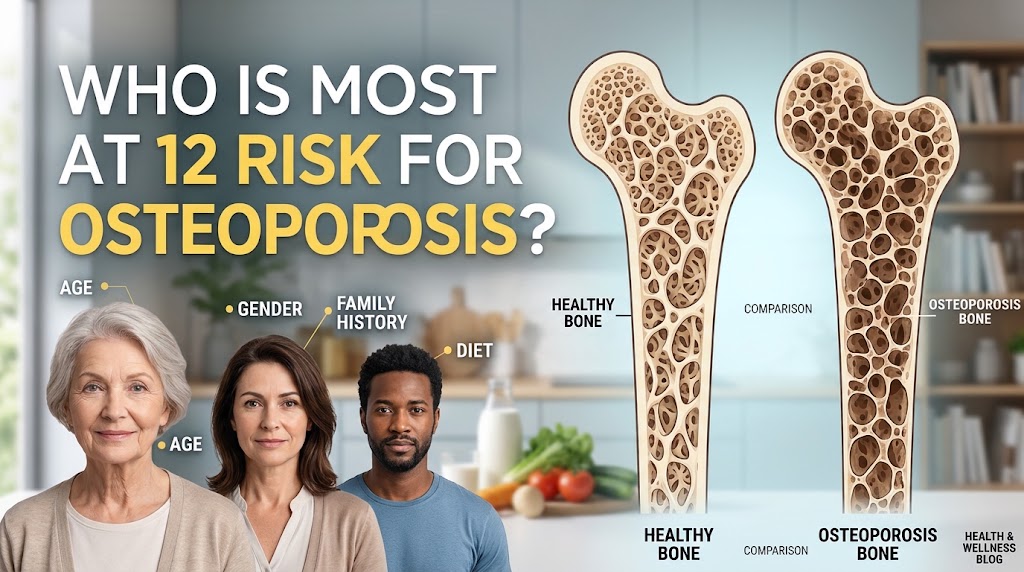
Who Is Most at Risk for Osteoporosis?
Click Here To Watch Video to Treat Osteoporosis Disease Naturally!..
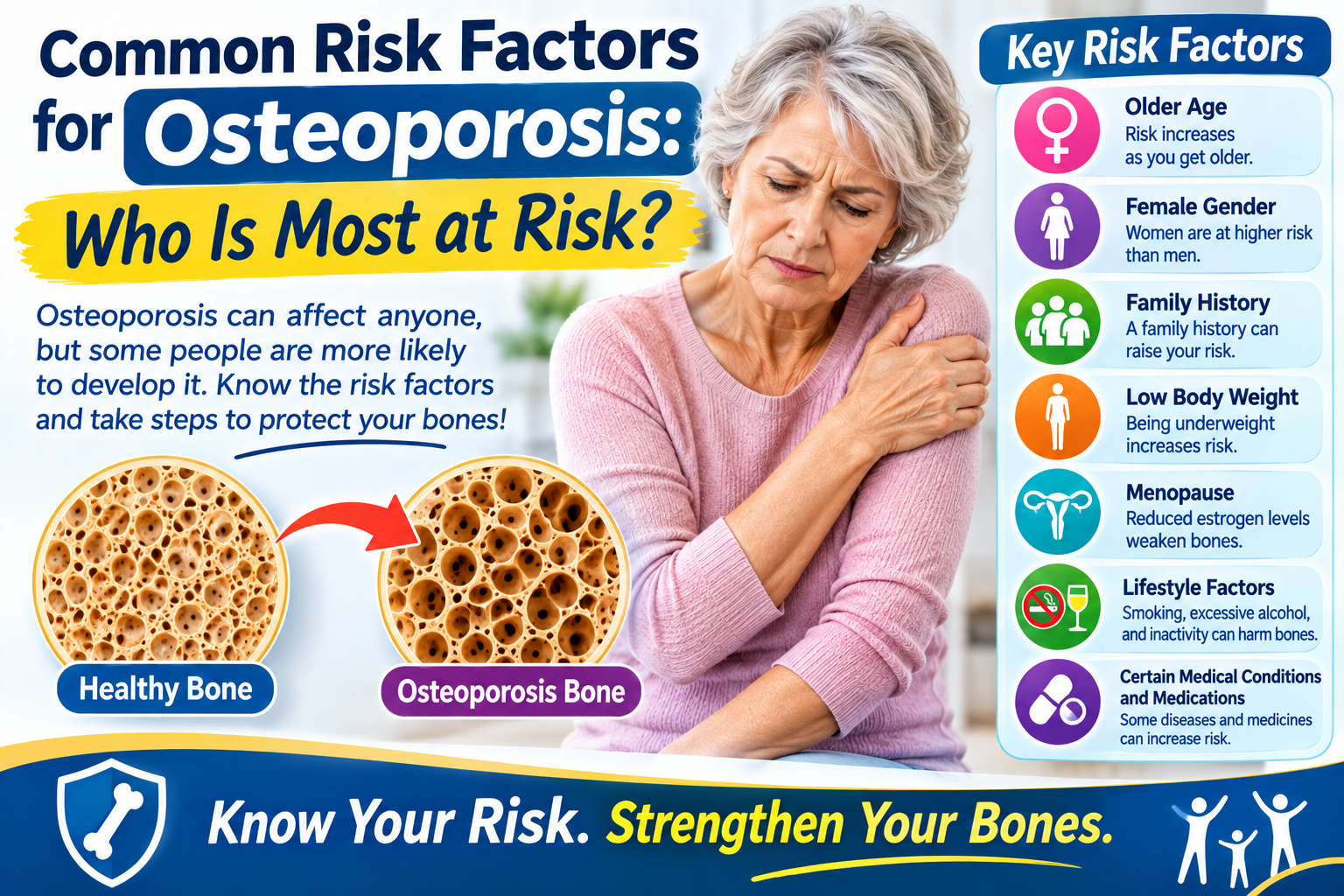
People who are older, postmenopausal, have a family history of osteoporosis, have low body weight, or have certain medical conditions may be at increased risk.
However, having one or more risk factors does not mean you will definitely develop osteoporosis. Risk factors help healthcare professionals decide whether screening, prevention strategies, or further evaluation may be appropriate.
1. Older Age
Age is one of the strongest risk factors for osteoporosis.
As people get older, the body generally breaks down bone faster than it replaces it. Bone loss may gradually reduce bone strength and increase the chance of fractures.
The risk becomes more significant in later adulthood, especially after age 50. Older adults may also have additional factors that increase fracture risk, such as reduced muscle strength, balance problems, and falls.
Although aging cannot be prevented, maintaining physical activity, adequate nutrition, and appropriate medical care can help support bone health.
2. Being Female and Going Through Menopause
Osteoporosis is more common in women than in men, particularly after menopause.
Estrogen helps maintain bone density. When estrogen levels decline during menopause, bone breakdown can increase, sometimes causing more rapid bone loss.
Women may have a higher risk if they:
- Have reached menopause
- Experienced menopause at an unusually early age
- Had their ovaries removed before natural menopause
- Have prolonged periods without menstruation due to hormonal or other health conditions
Menopause is a major risk factor, but not every postmenopausal woman develops osteoporosis. Other factors, including family history, body weight, lifestyle, and medical conditions, also matter.
3. Family History of Osteoporosis
Genetics can influence bone density, bone structure, and fracture risk.
Your risk may be higher if a parent has osteoporosis or experienced a hip fracture, particularly at an older age.
A family history does not guarantee that you will develop osteoporosis. However, it is useful information to share with your healthcare professional, especially if you also have other risk factors.
4. Low Body Weight and Small Body Frame
People with a low body weight or smaller body frame may have less bone mass to begin with.
Being underweight can also be associated with inadequate nutrition, hormonal changes, or other health conditions that affect bone health.
A low body mass index (BMI), significant unintentional weight loss, or a history of restrictive eating may increase concern about bone loss.
Maintaining a healthy weight and getting adequate nutrition can support bone health. If you are losing weight without trying, discuss it with a healthcare professional.
5. Not Getting Enough Calcium and Vitamin D
Calcium is a major mineral in bones, while vitamin D helps the body absorb calcium.
A diet that consistently provides too little calcium or vitamin D may contribute to poor bone health. Inadequate protein intake and overall malnutrition can also affect bone strength.
Sources of calcium include:
- Milk, yogurt, and cheese
- Calcium-fortified foods and beverages
- Calcium-set tofu
- Some leafy green vegetables
- Certain fish eaten with bones
Vitamin D can come from sunlight exposure, food, and supplements when needed.
The amount required varies by age and individual circumstances. Supplements should be used when dietary intake is inadequate or a healthcare professional recommends them, rather than taking high doses without guidance.
6. Lack of Physical Activity
Bones respond to the physical demands placed on them. Weight-bearing and resistance exercises help maintain bone and muscle strength.
People who are inactive for long periods may experience bone loss and reduced muscle strength. Prolonged bed rest or limited mobility can be especially concerning.
Suitable activities may include:
- Walking
- Strength or resistance training
- Stair climbing, when safe
- Balance exercises
- Other weight-bearing activities appropriate to your ability
People with osteoporosis or a history of fractures should ask a healthcare professional or physical therapist which activities are safe.
7. Smoking and Excessive Alcohol Use
Smoking is associated with poorer bone health and a higher risk of fractures.
Heavy alcohol consumption can also contribute to bone loss and increase the chance of falls or injuries.
Avoiding tobacco and limiting alcohol can support bone health and overall well-being. If you smoke, a healthcare professional can help you find a suitable cessation plan.
8. Certain Medical Conditions
Several medical conditions can increase the risk of osteoporosis by affecting hormones, nutrient absorption, inflammation, or bone metabolism.
Examples include:
- Rheumatoid arthritis
- Thyroid or parathyroid disorders
- Conditions that reduce nutrient absorption, such as celiac disease
- Certain gastrointestinal disorders
- Chronic kidney disease
- Some cancers and cancer treatments
- HIV
- Eating disorders, including anorexia nervosa
Having one of these conditions does not automatically mean you have osteoporosis. Your healthcare professional can assess whether bone density testing or other evaluation is appropriate.
9. Long-Term Use of Certain Medications
Some medications can increase bone loss, particularly when used at higher doses or for extended periods.
Examples include:
- Glucocorticoid corticosteroids, such as prednisone
- Certain antiseizure medications
- Some hormone-related cancer treatments
- Certain medications used for other chronic conditions
Other medicines may affect fracture risk indirectly by causing dizziness, sleepiness, or falls.
Do not stop a prescribed medication on your own. If you take a medicine that may affect bone health, ask your healthcare professional whether you need bone density monitoring or preventive treatment.
10. Low Levels of Certain Hormones
Hormones play an important role in maintaining bone density.
In addition to reduced estrogen after menopause, low testosterone in men can contribute to bone loss.
Younger women who experience prolonged absence of menstrual periods due to hormonal conditions, very low energy intake, or excessive exercise may also be at risk.
If you have symptoms that may indicate a hormone problem, discuss them with a healthcare professional rather than attempting to treat them with supplements or hormones on your own.
11. Previous Fractures
A fracture after a minor fall or everyday activity may be a warning sign of weakened bones.
People who have already experienced a fragility fracture have a higher risk of another fracture, particularly in the period following the first injury.
A fracture does not always mean osteoporosis is present, but it should prompt appropriate evaluation—especially in older adults or people with other risk factors.
12. Race and Ethnicity
Osteoporosis can affect people of all racial and ethnic backgrounds.
Some population groups have different average rates of osteoporosis and fractures, influenced by factors such as bone density, genetics, health conditions, and social or environmental circumstances.
Race or ethnicity should never be used alone to determine whether an individual needs screening. Personal risk factors and clinical assessment remain important.
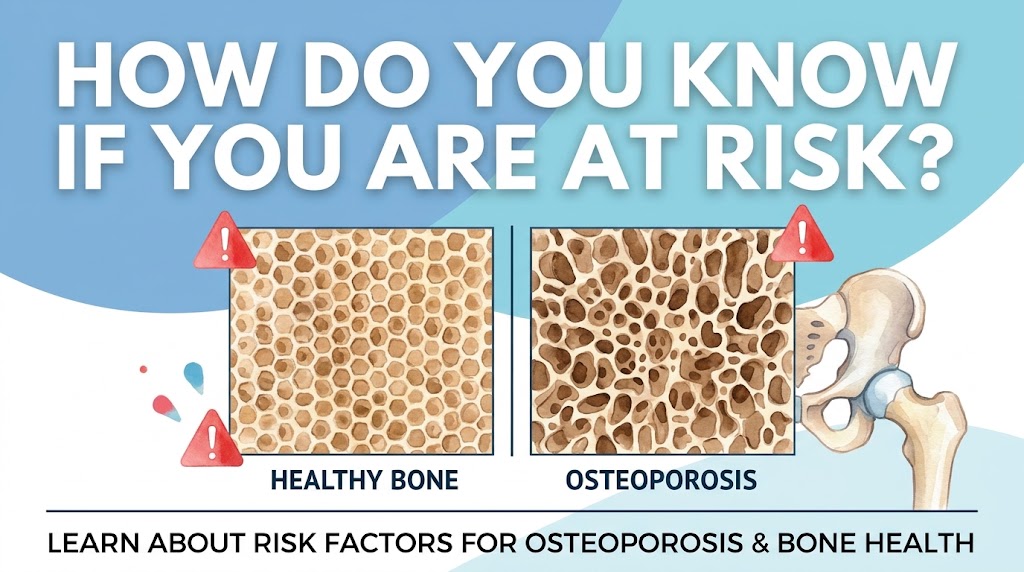
How Do You Know If You Are at Risk?
Click Here To Watch Video to Treat Osteoporosis Disease Naturally!..
Osteoporosis often has no early symptoms, so risk assessment is important.
A healthcare professional may review:
- Your age and menopausal status
- Family history of osteoporosis or hip fracture
- Previous fractures
- Body weight and weight changes
- Medication history
- Diet and physical activity
- Medical conditions
- Smoking and alcohol use
A DXA or DEXA scan is commonly used to measure bone mineral density. It usually examines the hip and spine and can help identify osteoporosis before a fracture occurs.
In the United States, the USPSTF recommends screening women aged 65 and older and postmenopausal women younger than 65 who have increased risk. Screening recommendations for men vary, and clinicians use individual risk factors to guide decisions. Local guidelines may differ.
Can You Reduce Your Risk of Osteoporosis?
Click Here To Watch Video to Treat Osteoporosis Disease Naturally!..
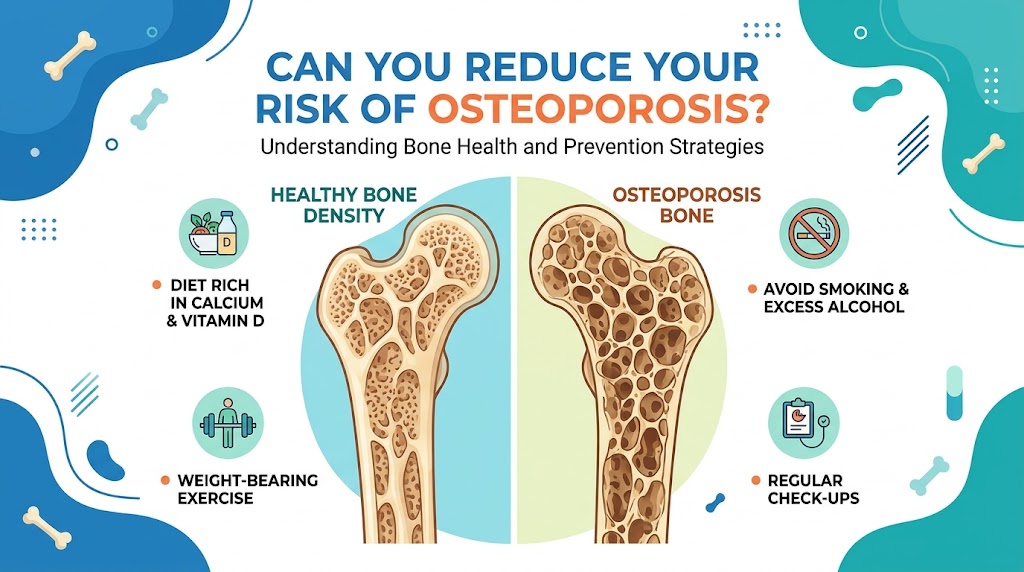
Some risk factors, such as age and family history, cannot be changed. However, several steps may help maintain bone health:
- Eat a balanced diet with adequate calcium, vitamin D, and protein.
- Participate in regular weight-bearing and resistance exercise.
- Include balance training to help reduce falls.
- Avoid smoking.
- Limit excessive alcohol consumption.
- Maintain a healthy body weight.
- Discuss medications that may affect bone health with your clinician.
- Get screened when recommended.
- Follow prescribed treatment if osteoporosis is diagnosed.
These strategies support bone health, but people at high fracture risk may also need medication.
Frequently Asked Questions
What is the biggest risk factor for osteoporosis?
Age is a major risk factor. For women, menopause and the decline in estrogen are also important contributors. Overall risk depends on several factors rather than one alone.
Can younger people develop osteoporosis?
Yes. Although osteoporosis is more common in older adults, younger people can develop it due to certain medical conditions, hormonal problems, medications, nutritional deficiencies, or other causes.
Does osteoporosis always cause symptoms?
No. Osteoporosis often develops without noticeable symptoms. A fracture may be the first sign, which is why risk assessment and screening are important.
Can lifestyle changes prevent osteoporosis?
Healthy habits can help maintain bone strength and reduce some risk factors. However, lifestyle changes cannot eliminate every cause of osteoporosis, and some people may need medical treatment.
When should I ask about a bone density test?
Discuss testing if you are older, postmenopausal with additional risk factors, have had a fragility fracture, take long-term corticosteroids, or have a medical condition associated with bone loss.
Conclusion
The common risk factors for osteoporosis include older age, menopause, family history, low body weight, inadequate calcium or vitamin D, physical inactivity, smoking, excessive alcohol use, certain medical conditions, and medications that affect bone health.
Anyone can develop osteoporosis, but understanding your personal risk can help you take steps to protect your bones. Healthy nutrition, regular safe exercise, avoiding smoking, preventing falls, and appropriate medical care all play important roles.
If you have several risk factors or have experienced a fracture after a minor injury, speak with a healthcare professional about whether a DXA scan or further evaluation is appropriate. Early identification and individualized care can help reduce fracture risk and support long-term bone health.