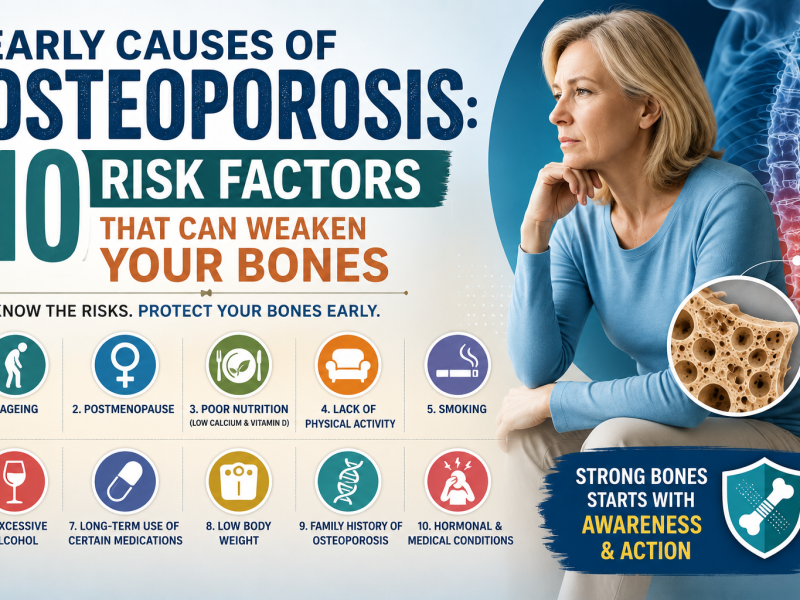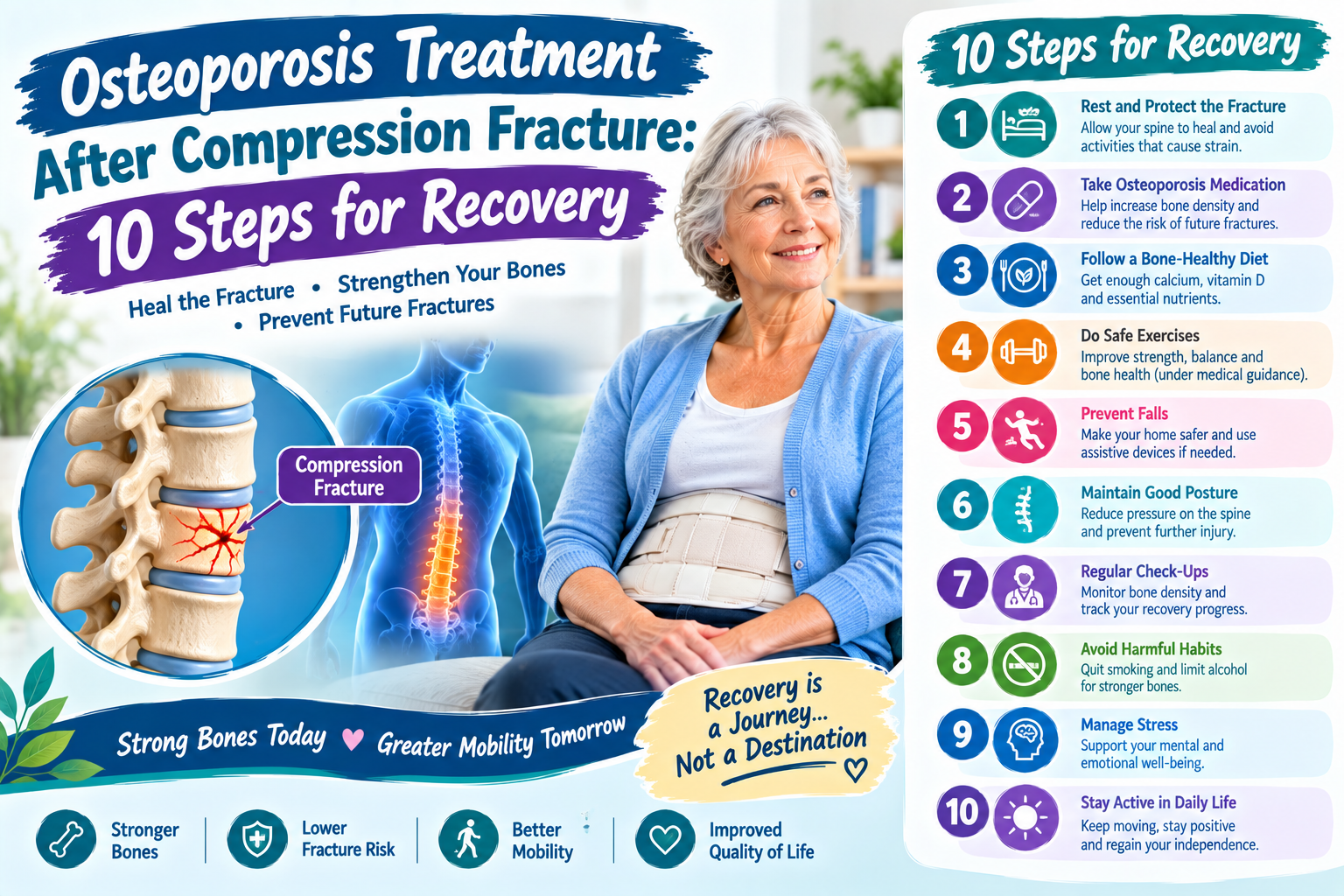
A compression fracture can be a painful and life-changing complication of osteoporosis. It commonly occurs when weakened vertebrae in the spine partially collapse under pressure. Unlike fractures caused by major accidents, an osteoporosis-related compression fracture may happen after a minor fall, lifting something, bending, or sometimes even during an everyday movement.
Recovering from a compression fracture involves more than simply waiting for pain to improve. Effective osteoporosis treatment should address both the fracture itself and the underlying bone weakness that contributed to it. Without appropriate treatment, people who experience one vertebral fracture may face a higher risk of additional fractures.
The good news is that a combination of medical care, appropriate activity, nutrition, fall prevention, and osteoporosis treatment can support recovery and help protect bones in the future.
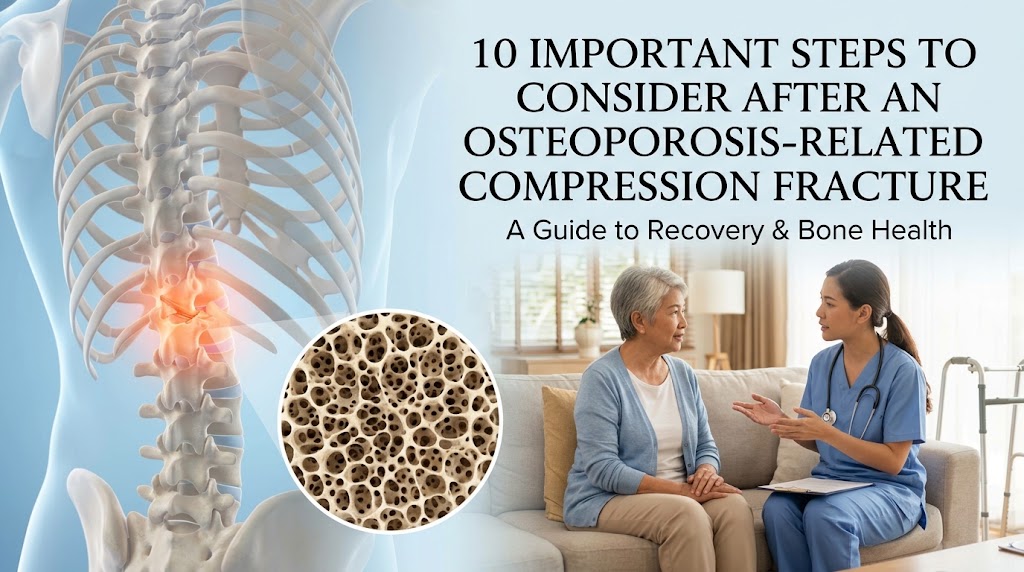
Here are 10 important steps to consider after an osteoporosis-related compression fracture.
Click Here To Watch Video to Treat Osteoporosis Disease Naturally!..
1. Get a Complete Medical Evaluation
The first step after a suspected compression fracture is getting an appropriate medical evaluation.
A healthcare professional may review your symptoms, medical history, medications, previous fractures, and risk factors for osteoporosis. Imaging may also be recommended to confirm the fracture and determine its location and severity.
Common imaging tests can include:
- X-rays
- MRI scans
- CT scans
- Bone density testing such as DXA/DEXA
A DXA scan can help evaluate bone mineral density, while other imaging tests can provide information about the vertebral fracture itself.
Your healthcare professional may also consider whether another condition could have contributed to the fracture.
Do not assume that back pain after a minor movement is simply part of aging. Sudden or persistent back pain, especially in someone with osteoporosis or known low bone density, deserves medical attention.
2. Follow Your Fracture Treatment Plan
Treatment for a compression fracture depends on its severity, symptoms, overall health, and other individual factors.
Many stable vertebral compression fractures are initially managed with conservative treatment. This may include:
- Pain management
- Activity modification
- Gradual return to movement
- Physical therapy
- Temporary support or bracing in selected cases
Your healthcare professional may recommend avoiding activities that increase pain or put excessive stress on the spine during the early recovery period.
In some situations, procedures such as vertebral augmentation may be considered. These treatments are not appropriate for everyone, so the potential benefits and risks should be discussed carefully with a qualified healthcare professional.
Avoid attempting to treat a suspected spinal fracture entirely on your own.
3. Start Osteoporosis Treatment to Protect Against Future Fractures

Click Here To Watch Video to Treat Osteoporosis Disease Naturally!..
Treating the fracture is only part of recovery. You also need to address the osteoporosis that weakened the bone in the first place.
After a vertebral compression fracture, your healthcare professional may determine that medication for osteoporosis is appropriate.
Depending on individual circumstances, treatment options can include:
- Bisphosphonates
- Denosumab
- Selective estrogen receptor modulators
- Bone-forming or anabolic medications
- Other osteoporosis medicines appropriate for the individual’s fracture risk
The best medication depends on factors such as age, fracture history, bone density, kidney function, other medical conditions, and previous osteoporosis treatment.
Do not start, stop, or change an osteoporosis medication without discussing it with your healthcare professional.
The goal is not only to help protect your current bones but also to reduce the risk of another fracture.
4. Make Sure You Get Enough Calcium
Calcium is an essential mineral for maintaining bone structure.
After a compression fracture, getting adequate calcium is an important part of an overall bone-health plan. Food is generally the preferred source when possible.
Calcium-rich foods include:
- Milk
- Yogurt
- Cheese
- Calcium-fortified plant beverages
- Calcium-set tofu
- Sardines with bones
- Canned salmon with bones
- Beans and lentils
- Some leafy green vegetables
The amount of calcium you need depends on factors such as your age, sex, diet, and health status.
Calcium supplements may be useful when dietary intake is inadequate, but taking more calcium than necessary is not automatically better. Ask a healthcare professional whether you need a supplement and how much is appropriate.
5. Pay Attention to Vitamin D
Vitamin D helps the body absorb calcium and plays an important role in maintaining healthy bones and muscles.
Vitamin D can come from several sources, including:
- Fatty fish
- Egg yolks
- Fortified milk
- Fortified plant beverages
- Fortified cereals
- Supplements when medically appropriate
Some people have difficulty maintaining adequate vitamin D levels, particularly older adults or people with limited sun exposure.
A healthcare professional may recommend checking vitamin D levels depending on your circumstances.
If a supplement is recommended, follow the suggested dose rather than assuming that a high dose will produce stronger bones.
6. Begin Safe Movement and Physical Therapy
Rest may be necessary during the early stage of recovery, but prolonged inactivity can create additional problems.
Too much inactivity can contribute to:
- Muscle weakness
- Reduced balance
- Loss of physical function
- Greater fall risk
- Further loss of bone strength
Once your healthcare professional says movement is safe, gradual physical activity can become an important part of rehabilitation.
Physical therapy may help you learn safer ways to move, improve posture, strengthen muscles, and regain confidence.
Depending on your condition, rehabilitation may eventually include activities such as:
- Gentle walking
- Posture exercises
- Leg strengthening
- Supported balance exercises
- Resistance exercises
- Functional movements
The exercises should be individualized, particularly if you have a vertebral fracture.
7. Protect Your Spine During Recovery
People with osteoporosis need to pay special attention to spinal movements after a compression fracture.
Certain movements can place additional stress on weakened vertebrae, particularly forceful or repeated forward bending.
During recovery, ask your healthcare professional or physical therapist how to safely perform everyday activities such as:
- Getting out of bed
- Picking objects up from the floor
- Dressing
- Bathing
- Carrying groceries
- Sitting and standing
- Getting in and out of a vehicle
Depending on your condition, you may be advised to avoid forceful spinal flexion, aggressive twisting, sudden jerking movements, and heavy lifting with poor technique.
Good posture and controlled movement can help reduce unnecessary strain.
8. Prevent Falls at Home
Preventing another fall is one of the most important parts of osteoporosis fracture prevention.
A weakened bone can fracture from an impact that might not seriously injure someone with stronger bones.
Look around your home for potential hazards.
Helpful changes may include:
- Removing loose rugs
- Keeping walkways clear
- Improving lighting
- Installing handrails on stairs
- Adding grab bars in the bathroom
- Using nonslip surfaces
- Keeping frequently used items within easy reach
- Wearing supportive footwear
- Avoiding walking on wet or slippery floors
Vision and hearing problems can also affect balance and safety, so appropriate medical evaluation may be useful.
If you frequently feel dizzy or unsteady, tell your healthcare professional.
9. Eat a Protein-Rich, Balanced Diet
Recovery requires more than calcium and vitamin D.
Protein provides building blocks needed to maintain muscles and support overall physical function. Strong muscles are especially important after a fracture because they can help support mobility and reduce fall risk.
Good protein sources include:
- Eggs
- Fish
- Chicken
- Yogurt
- Milk
- Beans
- Lentils
- Tofu
- Nuts
- Seeds
A balanced diet should also include fruits, vegetables, whole grains, and other nutrient-rich foods.
Avoid extreme dieting or rapid weight loss during recovery unless specifically recommended for a medical reason.
Being significantly underweight can be associated with poorer bone health and increased fracture risk.
10. Monitor Your Recovery and Bone Health
Recovery from a compression fracture is a process rather than a single event.
Follow-up appointments allow your healthcare team to evaluate:
- Pain
- Mobility
- Physical function
- Medication response
- Bone density
- New fracture symptoms
- Fall risk
- Nutrition
- Vitamin D or calcium needs
Depending on your circumstances, repeat bone density testing may be recommended at an appropriate interval.
Keep a list of your medications and tell your healthcare professional about any new symptoms or side effects.
Some medications, including long-term corticosteroid treatment, can contribute to bone loss. However, never stop a prescribed medicine without professional advice.
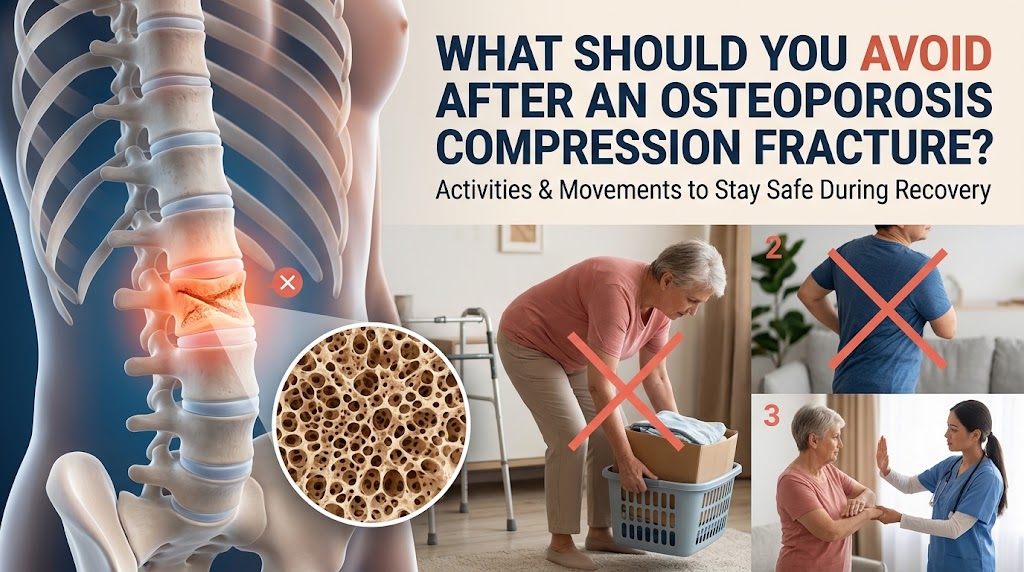
What Should You Avoid After an Osteoporosis Compression Fracture?
Click Here To Watch Video to Treat Osteoporosis Disease Naturally!..
Recovery is different for every person, but several precautions are commonly important.
Avoid:
- Heavy lifting without professional guidance
- Forceful forward bending
- Repeated deep spinal flexion
- Aggressive twisting
- Sudden jerking movements
- High-impact exercise before being cleared
- Exercises that cause significant pain
- Prolonged inactivity without a medical reason
- Smoking
- Excessive alcohol consumption
Your individual restrictions should come from your healthcare professional or physical therapist because the appropriate activity level depends on the fracture and your overall health.
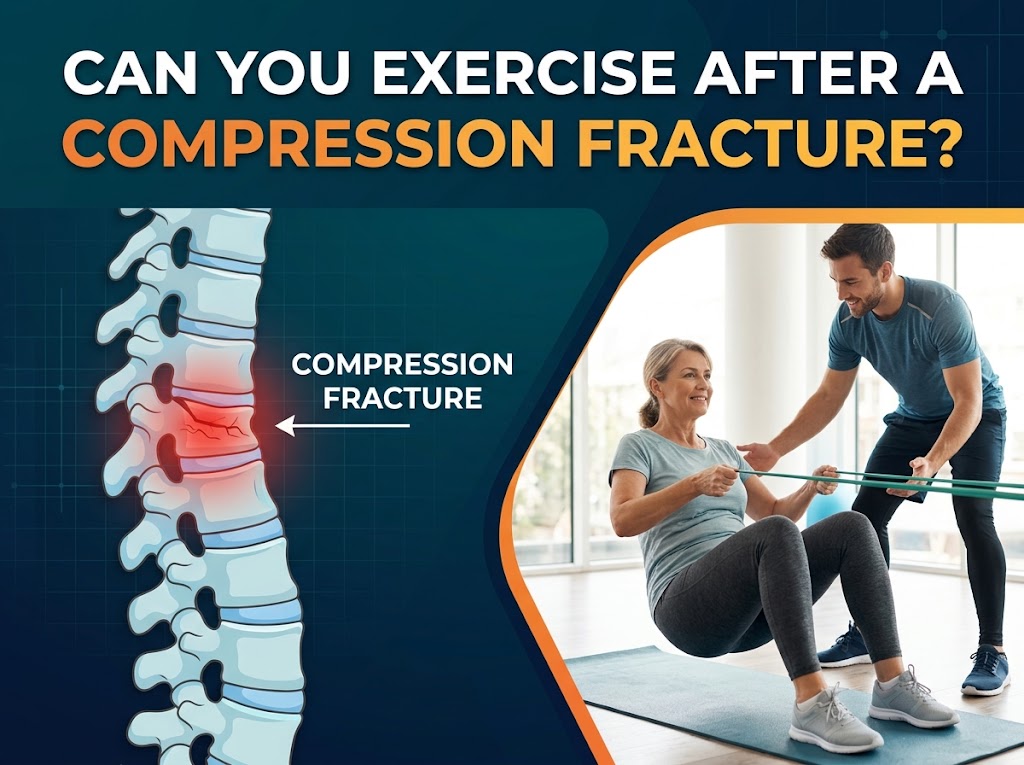
Can You Exercise After a Compression Fracture?
Click Here To Watch Video to Treat Osteoporosis Disease Naturally!..
Yes, many people can eventually return to regular physical activity after a compression fracture, but the timing and type of exercise are important.
The initial goal is usually safe mobility and recovery. As healing progresses, an individualized exercise program may include walking, strengthening exercises, balance training, posture work, and other appropriate activities.
Resistance training can help improve muscle strength, but it should be introduced gradually and performed with proper technique.
People with osteoporosis should be particularly careful with exercises involving forceful spinal bending or twisting.
A physical therapist familiar with osteoporosis can help create a safe program.
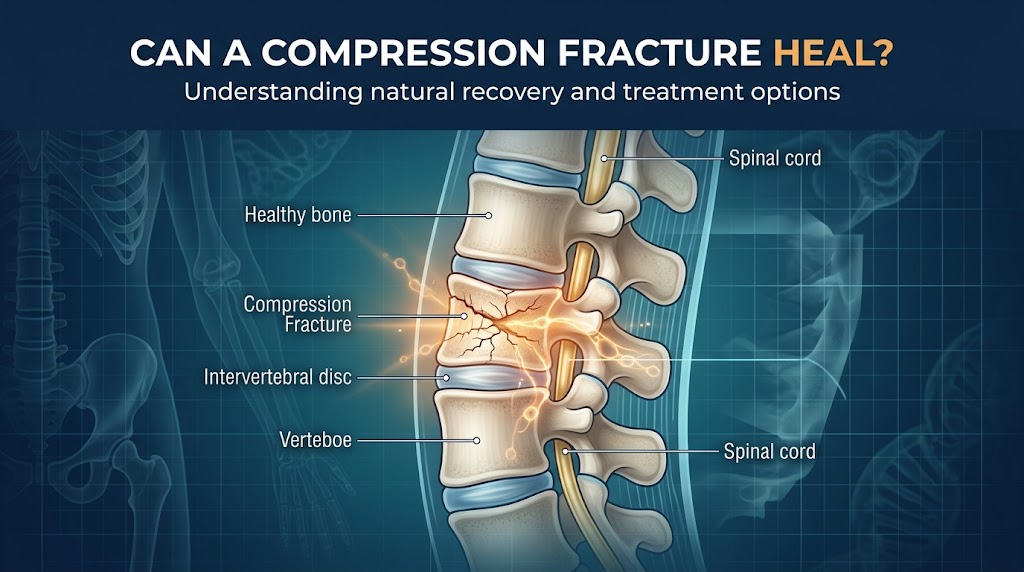
Can a Compression Fracture Heal?
Click Here To Watch Video to Treat Osteoporosis Disease Naturally!..
Many vertebral compression fractures improve with appropriate treatment and time. However, the degree of healing and the recovery timeline vary considerably.
Pain may improve before other effects of the fracture, such as changes in posture or height, have resolved.
A compression fracture can also be a warning sign that the bones are fragile. Even if the pain improves, the underlying osteoporosis still needs attention.
This is why fracture recovery and osteoporosis treatment should be addressed together.
When Should You Seek Medical Help?
Contact a healthcare professional if you experience:
- New or worsening back pain
- Sudden severe pain after a minor movement or fall
- Noticeable loss of height
- Increasing stooping or spinal curvature
- Difficulty walking
- Repeated falls
- New weakness or numbness
- Problems controlling bladder or bowel function
- A suspected new fracture
Severe neurological symptoms or sudden loss of bladder or bowel control require urgent medical evaluation.
A Simple Recovery Routine
A general recovery routine might eventually include:
Morning:
Eat a nutritious breakfast containing protein and calcium-rich foods. Take prescribed medications as directed.
Daytime:
Perform approved physical therapy or walking activities. Use safe movement techniques and avoid unnecessary lifting or bending.
Meals:
Include protein, vegetables, fruits, whole grains, and calcium-rich foods.
Evening:
Perform approved balance or strengthening exercises if recommended. Check that walkways are clear and lighting is adequate.
Throughout the day:
Stay appropriately active, follow your treatment plan, avoid smoking, and limit excessive alcohol.
Your healthcare professional may modify this routine based on your fracture, age, mobility, medications, and other health conditions.
Final Thoughts
Osteoporosis treatment after a compression fracture requires attention to both fracture recovery and long-term bone health. The most important steps include getting an accurate evaluation, following the fracture treatment plan, addressing osteoporosis, maintaining adequate calcium and vitamin D, eating enough protein, gradually returning to safe exercise, protecting the spine, preventing falls, and attending follow-up appointments.
A compression fracture should not be viewed simply as an isolated back injury. It can be an important warning that bones need additional protection.
With an individualized treatment plan and consistent bone-health habits, many people can improve their mobility, manage symptoms, and reduce their risk of future fractures.
Medical Disclaimer: This article is for general educational purposes only and does not replace medical diagnosis, treatment, or advice from a qualified healthcare professional. If you have a suspected compression fracture, severe back pain, neurological symptoms, or osteoporosis, seek appropriate medical evaluation before starting or changing an exercise, supplement, or treatment program.