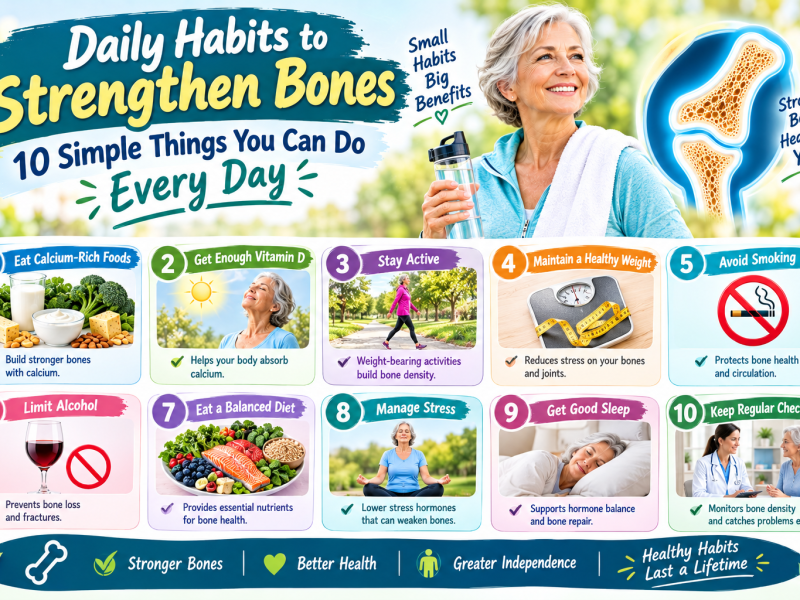
Osteoporosis is a condition that causes bones to become weaker, less dense, and more likely to fracture. While age, genetics, hormones, medications, and certain medical conditions can influence bone health, your diet also plays an important role.
Eating a balanced diet rich in calcium, vitamin D, protein, magnesium, vitamin K, and other nutrients can help support healthy bones. However, no single food can cure osteoporosis. The best approach combines nutritious foods with regular physical activity, fall prevention, healthy lifestyle habits, and medical care when needed.
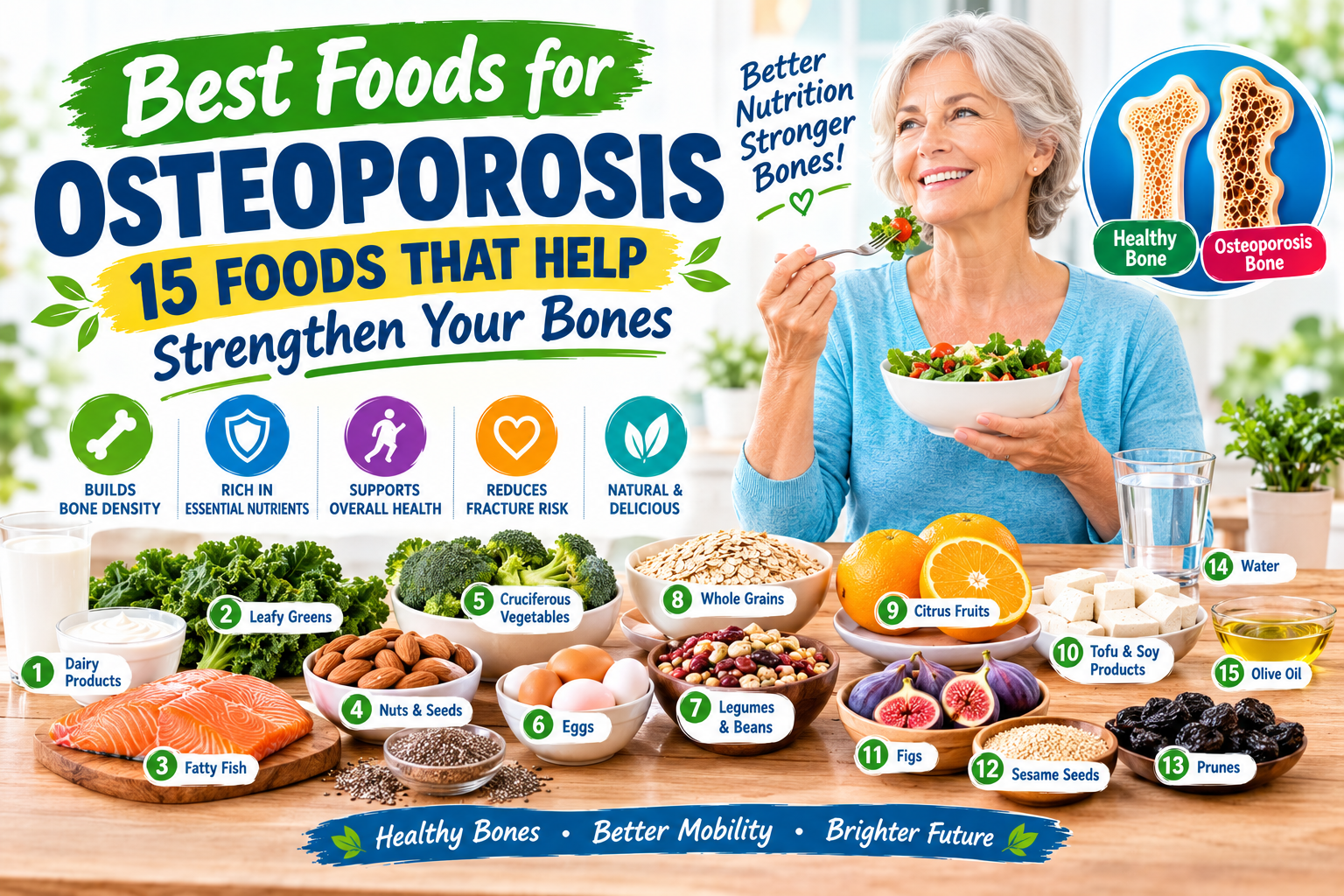
If you are looking for the best foods for osteoporosis, the following 15 choices can be useful additions to a bone-friendly diet.

Click Here To Watch Video to Treat Osteoporosis Disease Naturally!..
1. Milk
Milk is one of the most well-known foods for supporting bone health because it provides calcium and protein. Some types of milk are also fortified with vitamin D, which helps the body absorb calcium.
You can include milk at breakfast, add it to oatmeal or smoothies, or drink it as a simple snack.
If you cannot tolerate regular milk, lactose-free milk can provide similar nutritional benefits. Fortified plant-based beverages may also be an option.
2. Yogurt
Yogurt is another excellent calcium-rich food. Depending on the variety, it can also provide protein and other nutrients important for maintaining muscles and bones.
Choose plain or lower-sugar yogurt when possible. You can combine yogurt with berries, nuts, seeds, or oats for a nutritious bone-friendly snack.
Greek yogurt can be particularly useful when you want to increase protein intake, although calcium content varies among products, so checking the nutrition label is helpful.
3. Cheese
Cheese can contribute calcium and protein to your diet. Small amounts can be added to meals without requiring major changes to your eating habits.
Try adding cheese to whole-grain toast, salads, vegetable dishes, omelets, or bean-based meals.
Because some cheeses can be high in saturated fat and sodium, moderation is important. Choose portions that fit into your overall healthy eating pattern.
4. Sardines With Bones
Sardines are among the most useful foods for people concerned about bone health because canned sardines with edible bones provide calcium.
They also provide protein and vitamin D, depending on the product.
You can add sardines to salads, whole-grain sandwiches, pasta dishes, or eat them alongside vegetables. The bones in canned sardines are soft enough to eat and are an important source of calcium.
5. Canned Salmon With Bones
Canned salmon with bones can provide calcium, protein, and vitamin D. Salmon is also a source of omega-3 fatty acids.
Look for canned salmon where the small bones are included and edible. It can be used in salads, sandwiches, patties, or mixed with vegetables.
Fresh salmon is also a nutritious choice, particularly for protein and vitamin D, although it generally does not provide the same amount of calcium as canned salmon with edible bones.
6. Leafy Green Vegetables
Leafy greens can provide several nutrients involved in overall bone health. Examples include kale, collard greens, bok choy, and some other dark green vegetables.
Some greens contain compounds that can reduce calcium absorption, while others are better calcium sources. Variety is therefore important rather than relying on one vegetable.
Add leafy greens to soups, curries, salads, omelets, stir-fries, or smoothies.
7. Calcium-Fortified Plant-Based Milk
For people who avoid dairy, fortified plant-based beverages can be a convenient alternative.
Soy, almond, oat, and other plant-based beverages may contain added calcium and vitamin D. However, nutritional content varies considerably between brands.
Check the nutrition label and choose products that are fortified with calcium and vitamin D and are relatively low in added sugar.
Fortified soy beverages can also provide a useful amount of protein.
8. Tofu Made With Calcium
Tofu can be a valuable bone-friendly food, particularly for people following vegetarian or plant-based diets.
When tofu is made using calcium salts, it can provide a significant amount of calcium. It also supplies plant-based protein.
Use tofu in stir-fries, soups, curries, salads, or grilled dishes. Check the package label because calcium content differs between products.
9. Beans and Lentils
Beans and lentils provide protein, magnesium, phosphorus, and other nutrients that contribute to a balanced diet.
Examples include:
- Lentils
- Chickpeas
- Kidney beans
- Black beans
- White beans
- Pinto beans
- Soybeans
They are also affordable and versatile. Add them to soups, salads, curries, stews, rice dishes, or whole-grain meals.
10. Eggs
Eggs are a convenient source of protein and contain vitamin D in the yolk.
Protein is important because healthy bones depend not only on minerals but also on the protein framework that gives bone its structure. Strong muscles are also important for mobility and reducing the likelihood of falls.
Eggs can be included in breakfast, salads, sandwiches, vegetable dishes, or as a quick snack.
11. Nuts and Seeds
Nuts and seeds provide nutrients such as magnesium, protein, and healthy fats. Some also contain calcium.
Good options include:
- Almonds
- Chia seeds
- Sesame seeds
- Tahini
- Pumpkin seeds
- Sunflower seeds
- Walnuts
Sprinkle seeds over yogurt or oatmeal, add nuts to salads, or enjoy a small handful as a snack.
Because nuts and seeds are calorie-dense, reasonable portions are important.
12. Fatty Fish
Fatty fish can help support a bone-friendly diet because several varieties provide vitamin D and high-quality protein.
Good choices include salmon, sardines, trout, and some other oily fish.
Vitamin D is important because it helps the body absorb calcium and maintain normal bone metabolism.
Try including fish in your meals a couple of times a week as part of a balanced eating pattern.
13. Fortified Cereals
Some breakfast cereals are fortified with calcium and vitamin D, making them a convenient option for people who have difficulty getting enough nutrients from other foods.
Always check the nutrition label because fortified nutrient levels vary between products. Choose cereals that are also relatively low in added sugar and pair them with milk or a calcium- and vitamin-D-fortified plant beverage.
Adding fruit and nuts can make breakfast more nutritious.
14. Fruits
Fruits do not usually provide large amounts of calcium, but they contribute vitamins, minerals, antioxidants, fiber, and other nutrients that support overall health.
Useful choices include oranges, berries, bananas, apples, kiwi, and other colorful fruits.
Some foods and beverages made from fruit may also be fortified with calcium or vitamin D.
Try to eat a variety of fruits rather than depending on one particular type.
15. Whole Grains
Whole grains such as oats, brown rice, whole-wheat bread, barley, and quinoa can contribute magnesium, phosphorus, protein, fiber, and other nutrients.
They can form the foundation of balanced meals when combined with vegetables, lean protein, beans, dairy or fortified alternatives.
For example, you could have oatmeal with milk, berries, and nuts for breakfast or brown rice with beans, vegetables, and fish for dinner.
Important Nutrients for Stronger Bones

Click Here To Watch Video to Treat Osteoporosis Disease Naturally!..
Knowing which nutrients matter can help you understand why these foods are useful.
Calcium
Calcium is a major mineral in bones. Getting enough calcium from food is generally preferable when possible.
Good sources include dairy products, calcium-fortified beverages, calcium-set tofu, canned fish with edible bones, and selected vegetables.
Your individual calcium needs depend on factors such as age and sex.
Vitamin D
Vitamin D helps the body absorb calcium and plays an important role in bone health.
Sources include fatty fish, egg yolks, fortified foods, and appropriate supplements when recommended.
Sunlight can also contribute to vitamin D production, but the amount produced varies based on factors such as skin type, season, location, age, clothing, and sun exposure.
Protein
Protein helps maintain the structure of bones and supports muscles. Maintaining muscle strength is especially important as people age because stronger muscles can help support mobility and balance.
Include protein sources such as fish, eggs, yogurt, milk, beans, lentils, tofu, poultry, and nuts.
Magnesium
Magnesium contributes to normal bone structure and overall mineral metabolism.
Nuts, seeds, beans, whole grains, and leafy green vegetables can help provide magnesium.
Vitamin K
Vitamin K is involved in bone metabolism and normal blood clotting. Green vegetables such as kale and other leafy greens are important dietary sources.
Foods to Limit for Better Bone Health

Click Here To Watch Video to Treat Osteoporosis Disease Naturally!..
Adding nutritious foods is only part of a bone-friendly diet. Certain dietary habits may also be worth limiting.
Excessive Alcohol
Heavy alcohol consumption can negatively affect bone health and increase the risk of falls. If you drink alcohol, moderation is important.
Excessive Salt
A diet consistently high in sodium may increase calcium loss through urine. Limit highly processed foods and choose fresh or minimally processed foods more often.
Highly Processed Foods
Foods high in added sugar, sodium, and unhealthy fats may displace more nutritious choices. They should not form the majority of your diet.
Too Much Caffeine
Moderate caffeine consumption can generally fit into a balanced diet, but very high intake may be undesirable for people concerned about bone health, particularly when calcium intake is inadequate.
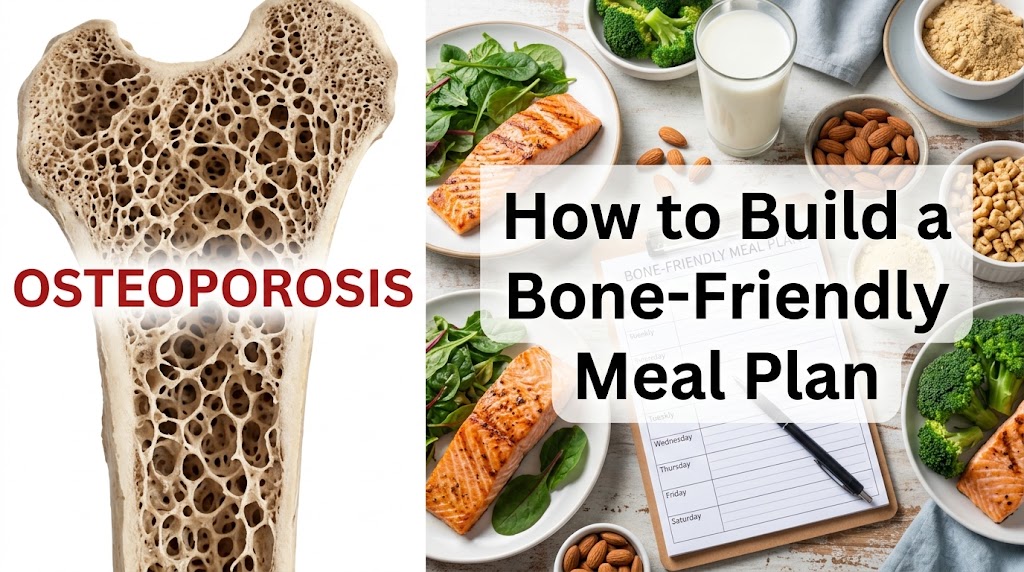
How to Build a Bone-Friendly Meal Plan
Click Here To Watch Video to Treat Osteoporosis Disease Naturally!..
You do not need to eat all 15 foods every day. Instead, focus on variety and consistency.
A simple bone-friendly day might look like this:
Breakfast: Oatmeal prepared with fortified milk, berries, and almonds.
Lunch: Lentil or chickpea salad with leafy greens and whole-grain bread.
Snack: Yogurt with fruit and chia seeds.
Dinner: Grilled salmon or another protein source with vegetables and brown rice.
Evening snack: A glass of milk or a calcium-fortified plant beverage, if appropriate for your diet.
This type of meal pattern provides a combination of calcium, vitamin D, protein, magnesium, and other nutrients.
Can Food Cure Osteoporosis?
Food is important, but diet alone does not cure osteoporosis.
If you have been diagnosed with osteoporosis or have a high risk of fractures, your healthcare professional may recommend medication in addition to lifestyle changes.
Bone health also depends on regular weight-bearing activity, resistance training, balance exercises, maintaining a healthy weight, avoiding smoking, limiting excessive alcohol, and preventing falls.
Supplements may be appropriate for some people, but taking large doses without professional guidance is not recommended. Your healthcare professional can help determine whether you need additional calcium, vitamin D, or other nutrients.
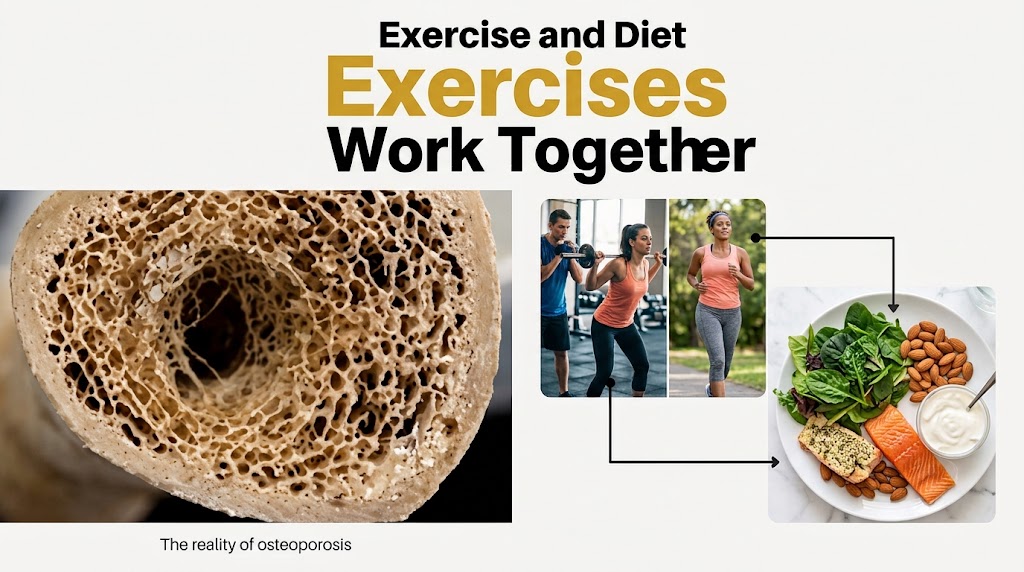
Exercise and Diet Work Together
Click Here To Watch Video to Treat Osteoporosis Disease Naturally!..
A bone-friendly diet is even more useful when combined with appropriate physical activity.
Weight-bearing activities such as walking and stair climbing place healthy stress on bones. Resistance exercises can help maintain muscle strength and physical function, while balance exercises can help reduce fall risk.
People with osteoporosis should choose exercises appropriate for their bone health and fracture risk. If you have significant osteoporosis or previous fractures, ask a healthcare professional or qualified exercise specialist about safe exercises.
Avoid exercises involving forceful spinal bending, twisting, sudden jerking, or movements that are inappropriate for your condition.
When Should You Talk to a Doctor?

Click Here To Watch Video to Treat Osteoporosis Disease Naturally!..
Talk with a healthcare professional if you:
- Have experienced a fracture after a minor fall or routine activity
- Have unexplained loss of height
- Develop persistent or sudden back pain
- Have a family history of osteoporosis or hip fracture
- Are concerned about bone loss after menopause
- Take long-term corticosteroid medication
- Have frequent falls or balance problems
- Are unsure whether you need a bone-density test
- Are considering calcium or vitamin D supplements
A bone-density test such as a DXA scan may be recommended depending on your age, risk factors, medical history, and other circumstances.
Final Thoughts
The best foods for osteoporosis are not one magic food but a varied combination of nutrient-rich choices. Milk, yogurt, cheese, sardines, salmon, leafy greens, fortified plant beverages, calcium-set tofu, beans, lentils, eggs, nuts, seeds, fruits, and whole grains can all contribute to a healthy eating pattern.
Focus on getting enough calcium, vitamin D, protein, magnesium, and other important nutrients. At the same time, stay physically active, maintain a healthy weight, avoid smoking, limit excessive alcohol, and take steps to prevent falls.
If you already have osteoporosis, remember that healthy eating supports your bones but should complement—not replace—appropriate medical treatment.
Medical Disclaimer: This article is for educational purposes only and is not a substitute for professional medical advice, diagnosis, or treatment. If you have osteoporosis, have a high fracture risk, or are taking medication for bone health, speak with your healthcare professional before making significant changes to your diet, exercise routine, or supplements.