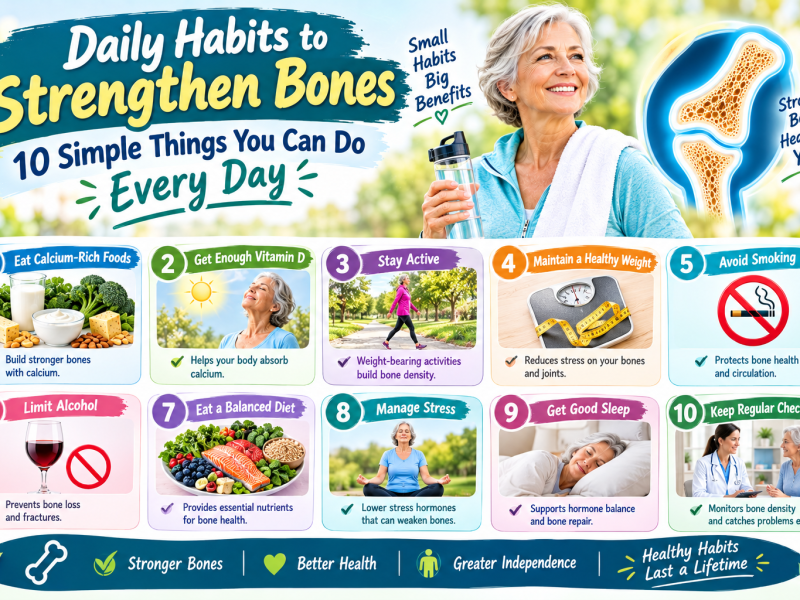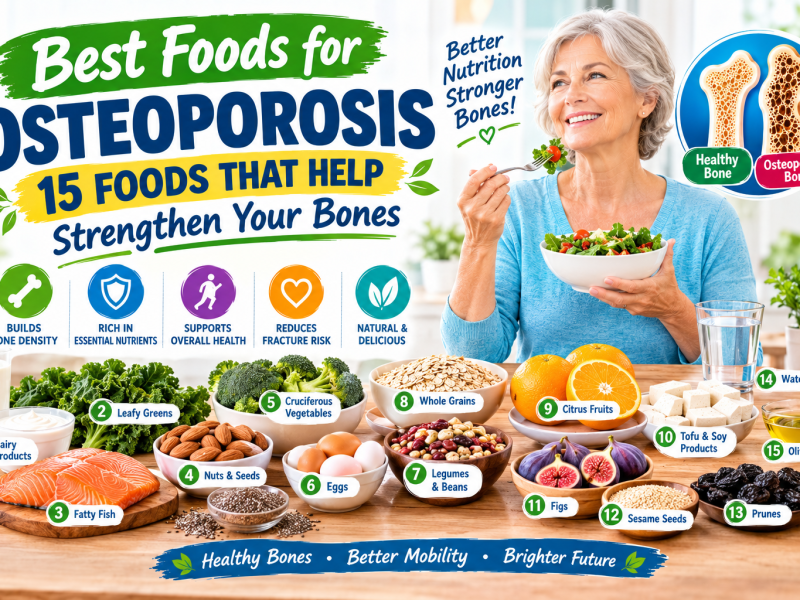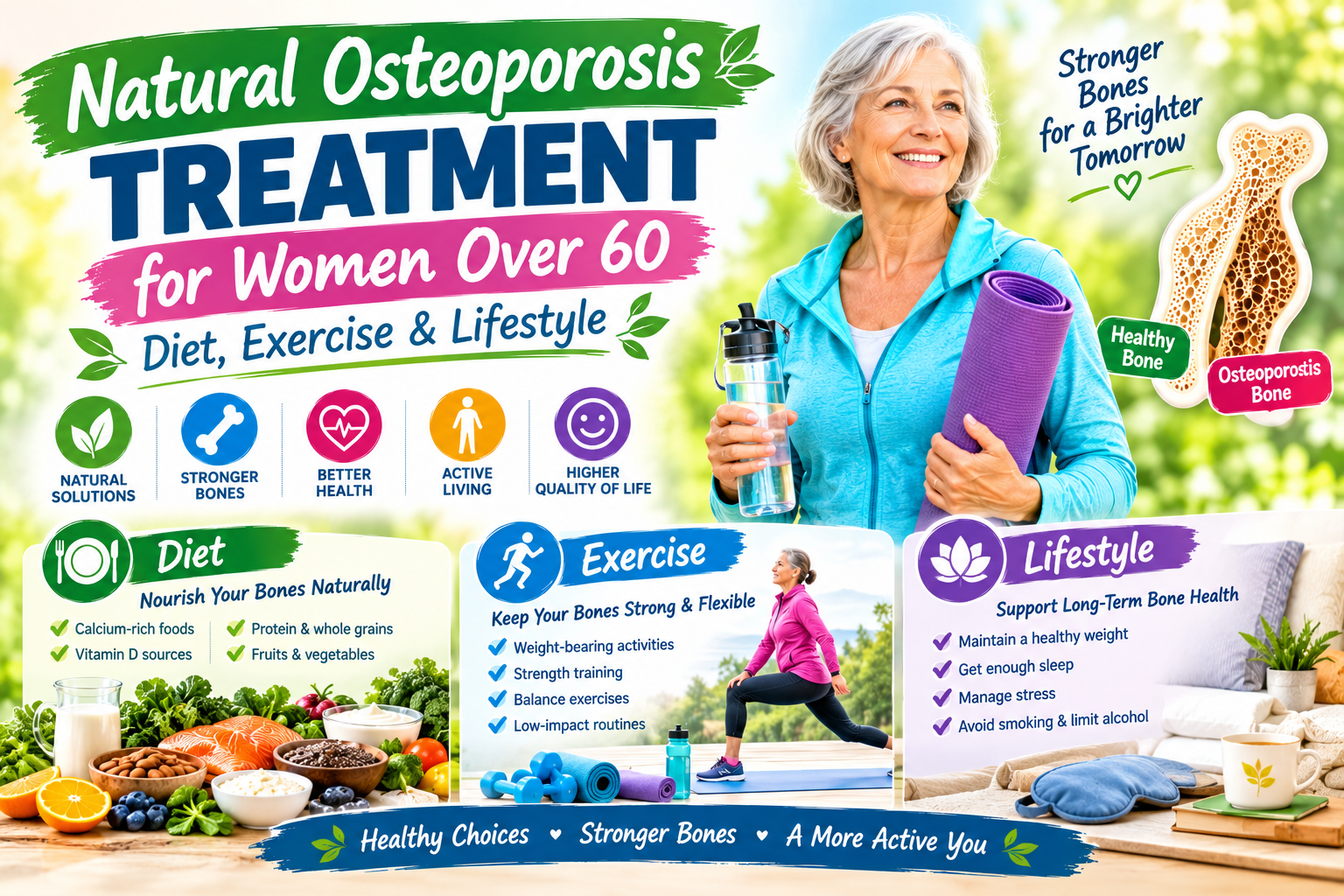
Osteoporosis is a common bone-health concern for women as they age, particularly after menopause. By the time women reach their 60s, years of gradual bone loss combined with age-related changes in muscle strength and balance can increase the risk of fractures.
The good news is that there are many practical ways to support bone health naturally. A nutritious diet, appropriate exercise, fall prevention, healthy lifestyle habits, and regular medical monitoring can all play an important role in protecting bones.
However, it is important to understand what “natural osteoporosis treatment” really means. Lifestyle strategies can support stronger bones and reduce some fracture risks, but they should not automatically replace medical treatment. Women with diagnosed osteoporosis or a high risk of fracture may benefit from prescription medication in addition to lifestyle changes.
This guide explains practical diet, exercise, and lifestyle strategies for women over 60 who want to protect their bones and maintain independence.
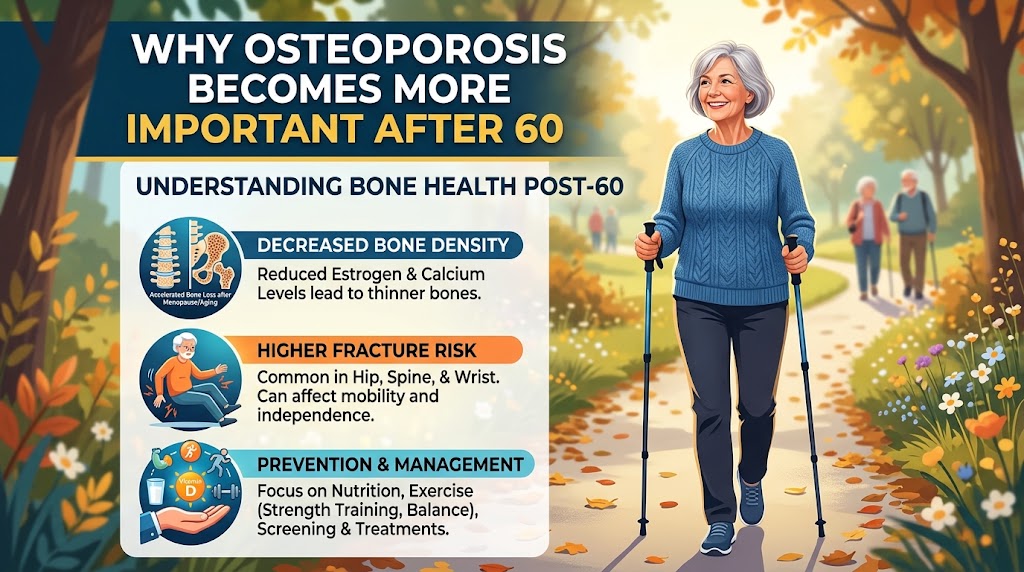
Why Osteoporosis Becomes More Important After 60
Click Here To Watch Video to Treat Osteoporosis Disease Naturally!..
Bone is living tissue that constantly changes. Throughout life, old bone is broken down and replaced with new bone.
As we age, bone breakdown can begin to exceed bone formation. For women, the decline in estrogen around menopause can accelerate bone loss.
By age 60 and beyond, other factors can also influence bone health, including:
- Reduced physical activity
- Loss of muscle mass
- Inadequate calcium or vitamin D intake
- Certain medications
- Low body weight
- Previous fractures
- Family history of osteoporosis
- Balance problems and falls
Osteoporosis often develops without obvious symptoms. A fracture may sometimes be the first indication that bones have become fragile.
That makes prevention, screening, and appropriate treatment particularly important.
1. Eat Calcium-Rich Foods Every Day
Calcium is an essential mineral for maintaining bone structure.
Women over 60 should make sure their diet provides an appropriate amount of calcium. Individual requirements can vary, so discuss your needs with a healthcare professional.
Good dietary sources include:
- Milk
- Yogurt
- Cheese
- Calcium-fortified plant beverages
- Calcium-set tofu
- Sardines with edible bones
- Canned salmon with bones
- Beans
- Some leafy green vegetables
Instead of relying on one food, include several calcium-containing foods throughout the week.
For women who do not consume dairy products, fortified foods and beverages can make meeting calcium requirements easier.
Calcium supplements may be appropriate when dietary intake is inadequate, but taking excessive amounts is not a safe way to “build stronger bones.” Discuss supplementation with your healthcare professional.
2. Get Enough Vitamin D
Vitamin D helps the body absorb calcium and supports normal bone function.
Sources of vitamin D include:
- Fatty fish
- Egg yolks
- Fortified milk
- Fortified plant beverages
- Fortified cereals
- Appropriate vitamin D supplements
Older adults may be at greater risk of inadequate vitamin D because they may spend less time outdoors or have dietary limitations.
If you are concerned about vitamin D deficiency, ask your healthcare professional whether testing is appropriate.
Do not take very high doses of vitamin D without professional guidance.
3. Eat Enough Protein
Protein is important for maintaining muscles as well as supporting overall nutrition.
Muscle strength becomes increasingly important after 60 because stronger muscles can help support mobility, stability, and independence.
Good protein sources include:
- Eggs
- Fish
- Chicken
- Yogurt
- Milk
- Beans
- Lentils
- Tofu
- Nuts and seeds
Try to include a source of protein with each meal.
A balanced diet containing protein, vegetables, fruits, whole grains, healthy fats, and calcium-rich foods is generally more beneficial than focusing on a single “bone-building” food.
4. Include Weight-Bearing Exercise
Regular physical activity is one of the most useful natural strategies for supporting bone and muscle health.
Weight-bearing activities make your body work against gravity and can provide mechanical stimulation to bones.
Examples include:
- Walking
- Hiking
- Stair climbing
- Dancing
- Low-impact aerobics
Walking is often a practical starting point for women over 60.
If you are currently inactive, start with a short walk and gradually increase the duration as your fitness improves.
Women with severe osteoporosis, previous fractures, or significant balance problems should ask a healthcare professional which activities are appropriate.
5. Practice Strength Training
Strength training is especially valuable as we get older because it can help counter age-related muscle loss.
It can also improve functional strength for everyday activities such as climbing stairs, getting out of a chair, carrying groceries, and maintaining balance.
Beginner options may include:
- Chair sit-to-stands
- Wall push-ups
- Resistance-band exercises
- Light dumbbells
- Appropriate weight machines
For example, a chair sit-to-stand can be performed by sitting on a sturdy chair, placing your feet firmly on the floor, standing in a controlled manner, and slowly sitting down again.
Start with a comfortable number of repetitions and gradually progress.
Good technique is more important than lifting heavy weights.
6. Add Balance Exercises
Preventing falls is an essential part of natural osteoporosis management.
Even if bone density cannot be dramatically increased, reducing the likelihood of falls can help reduce the chance of fractures.
Simple balance activities may include:
- Standing near a sturdy countertop
- Controlled weight shifting
- Heel-to-toe walking when appropriate
- Supported single-leg standing
- Tai chi
Always practice balance exercises in a safe environment.
If you have poor balance or a history of falls, consider working with a physical therapist who can design an individualized program.
7. Protect Your Spine
Women with osteoporosis need to pay particular attention to spinal safety.
Weak vertebrae can be vulnerable to fractures, and some movements may place excessive stress on the spine.
Be cautious with:
- Forceful forward bending
- Repeated abdominal crunches
- Deep spinal flexion
- Strong twisting movements
- Sudden jerking motions
- Heavy lifting with poor technique
This does not mean you should avoid movement. Instead, learn safe ways to bend, lift, reach, and exercise.
If you have had a vertebral fracture, ask a physical therapist for individualized instructions.
8. Maintain a Healthy Body Weight
Being significantly underweight can increase the risk of low bone density and fractures.
Women over 60 should avoid extreme dieting or rapid weight-loss programs that may result in inadequate protein, calories, calcium, vitamin D, and other nutrients.
If weight loss is medically recommended, aim for a gradual approach based on nutritious foods and appropriate physical activity.
If you are underweight or losing weight without trying, speak with your healthcare professional.
9. Stop Smoking
Smoking is an important modifiable risk factor for poor bone health.
If you smoke, quitting can be an important step toward protecting your bones and improving your overall health.
Quitting can be challenging, especially after years of smoking. Ask your healthcare professional about evidence-based cessation programs, counseling, and other options that may help.
It is never too late to make healthier lifestyle changes.
10. Limit Excessive Alcohol
Heavy alcohol consumption can negatively affect bone health and may also increase the risk of falls.
If you drink alcohol, discuss appropriate limits with your healthcare professional, particularly if you take medications or have other health conditions.
For women at increased fracture risk, individualized advice may be especially important.
11. Make Your Home Safer
Fall prevention should extend beyond exercise.
Simple changes around the home can reduce hazards.
Consider:
- Removing loose rugs
- Keeping floors free of clutter
- Improving lighting
- Installing handrails on stairs
- Using bathroom grab bars when appropriate
- Keeping frequently used items within easy reach
- Wearing supportive, non-slip footwear
Also pay attention to outdoor areas, where uneven surfaces can increase fall risk.
If you frequently feel dizzy or unsteady, tell your healthcare professional.
12. Review Your Medications
Some medications can affect bone health or increase the likelihood of falling.
For example, long-term corticosteroid use can contribute to bone loss.
Other medicines may cause dizziness, drowsiness, or changes in blood pressure that increase fall risk.
Never stop a prescribed medication because of concerns about osteoporosis.
Instead, ask your doctor or pharmacist to review your medications and determine whether any adjustments or monitoring are appropriate.
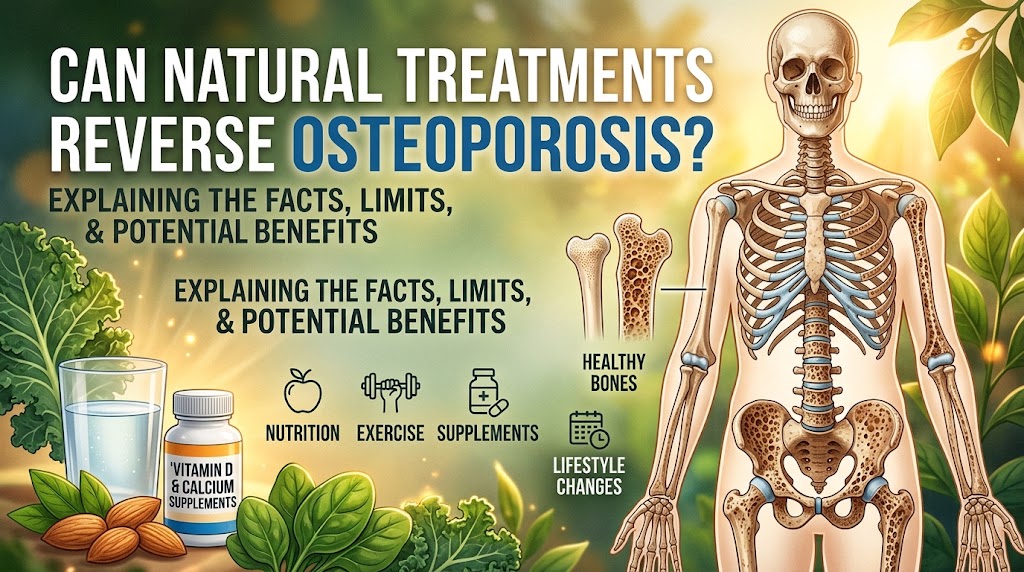
Can Natural Treatments Reverse Osteoporosis?
Click Here To Watch Video to Treat Osteoporosis Disease Naturally!..
This is an important question.
A healthy diet and exercise program can support bone health, but there is no single natural food, herb, tea, or supplement proven to reliably cure osteoporosis.
Lifestyle strategies may help maintain bone strength, improve physical function, and reduce fall risk.
However, women with established osteoporosis or a high risk of fracture may need prescription treatment.
Think of natural approaches as part of a comprehensive bone-health strategy rather than a replacement for evidence-based medical care.
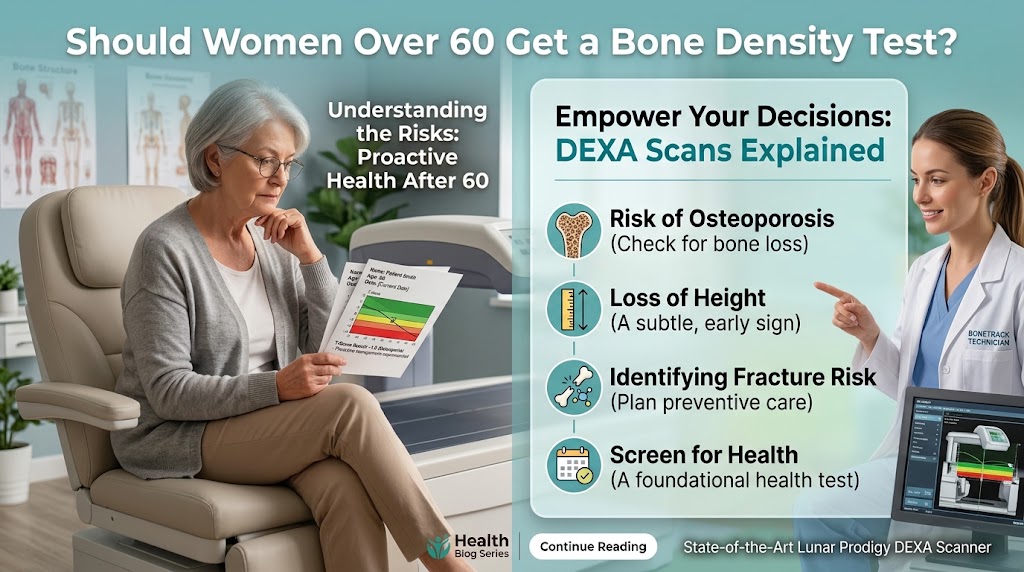
Should Women Over 60 Get a Bone Density Test?
Click Here To Watch Video to Treat Osteoporosis Disease Naturally!..
Women over 60 may benefit from discussing osteoporosis screening and fracture risk with their healthcare professional.
A DXA or DEXA scan is commonly used to measure bone mineral density at the hip and spine.
Your healthcare professional may also consider:
- Age
- Menopause history
- Previous fractures
- Family history
- Medications
- Body weight
- Other medical conditions
- Fall risk
If you have already experienced a fracture after a minor fall or routine activity, do not assume it was simply part of aging. Discuss it with a healthcare professional.
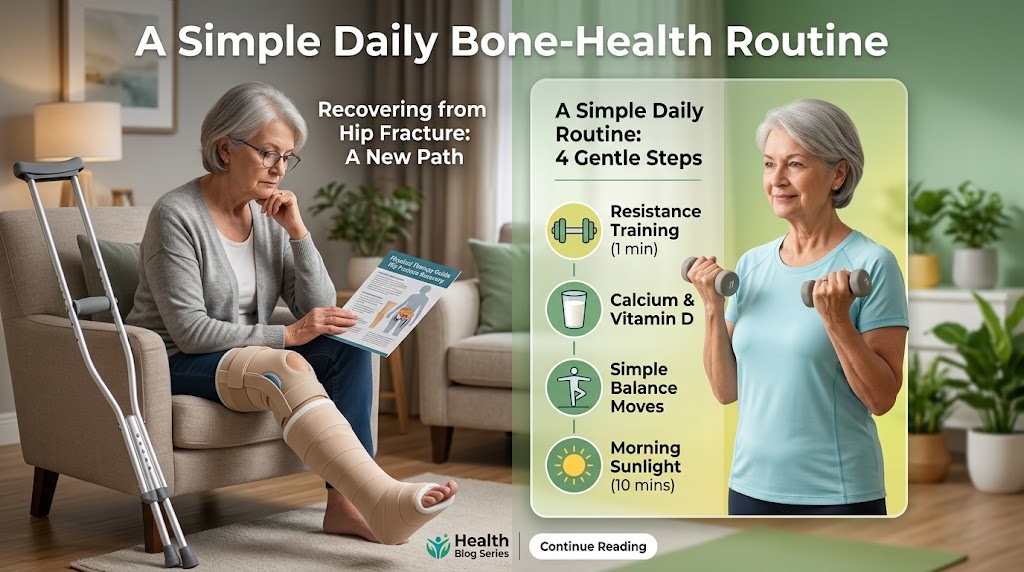
A Simple Daily Bone-Health Routine
Click Here To Watch Video to Treat Osteoporosis Disease Naturally!..
Creating a manageable routine can make healthy habits easier to maintain.
Morning
Eat a nutritious breakfast containing protein and a calcium-rich food.
During the day
Take regular movement breaks and avoid sitting for long periods.
Exercise
Include walking, strength training, and balance exercises according to your fitness level and medical guidance.
Meals
Build meals around vegetables, fruits, whole grains, protein-rich foods, and calcium-containing foods.
Evening
Prepare for good sleep, avoid excessive alcohol, and make sure your home is free of potential fall hazards.
Consistency is more important than trying to make dramatic changes overnight.
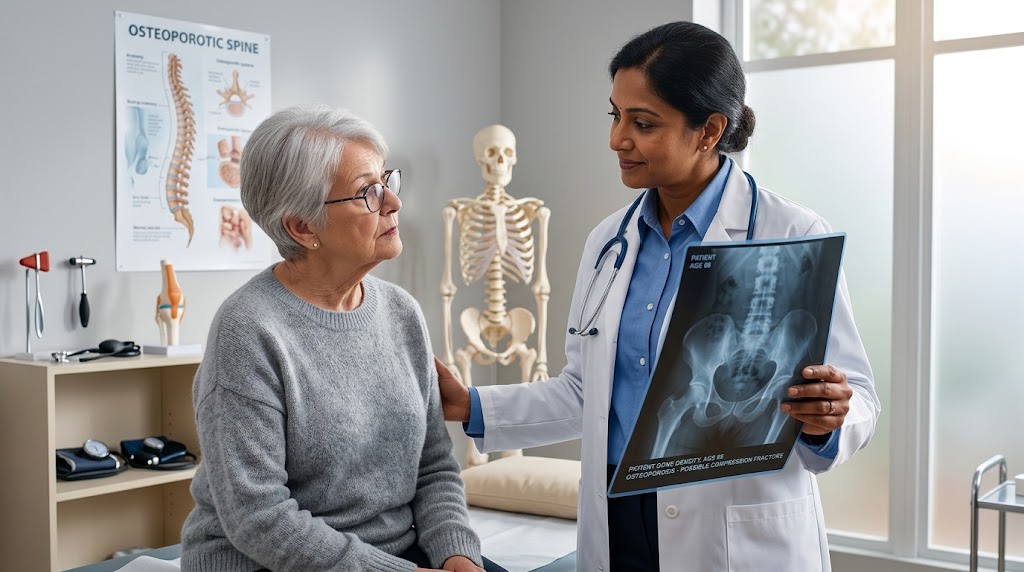
When Should You Seek Medical Advice?
Click Here To Watch Video to Treat Osteoporosis Disease Naturally!..
Women over 60 should consider talking with a healthcare professional if they experience:
- A fracture after a minor fall
- New or persistent back pain
- Noticeable height loss
- Increasingly stooped posture
- Repeated falls
- Difficulty with balance
- Significant unexplained weight loss
- Concerns about osteoporosis medication
- Questions about calcium or vitamin D
- A family history of osteoporosis
Early assessment can help identify osteoporosis and determine whether additional treatment is necessary.
The Bottom Line
Natural osteoporosis treatment for women over 60 should focus on protecting bones, maintaining muscle strength, preventing falls, and supporting overall health.
A bone-friendly lifestyle includes calcium-rich foods, adequate vitamin D and protein, regular weight-bearing activity, resistance training, balance exercises, healthy body weight, smoking cessation, limited alcohol, and a safe home environment.
These habits can complement medical treatment and help older women remain active and independent.
If you have osteoporosis, previous fractures, severe bone loss, or multiple risk factors, talk with your healthcare professional before making significant changes to your exercise program or starting supplements.
The goal is not simply to increase bone density. It is to reduce fracture risk, maintain strength and mobility, and support a healthy, independent life as you age.