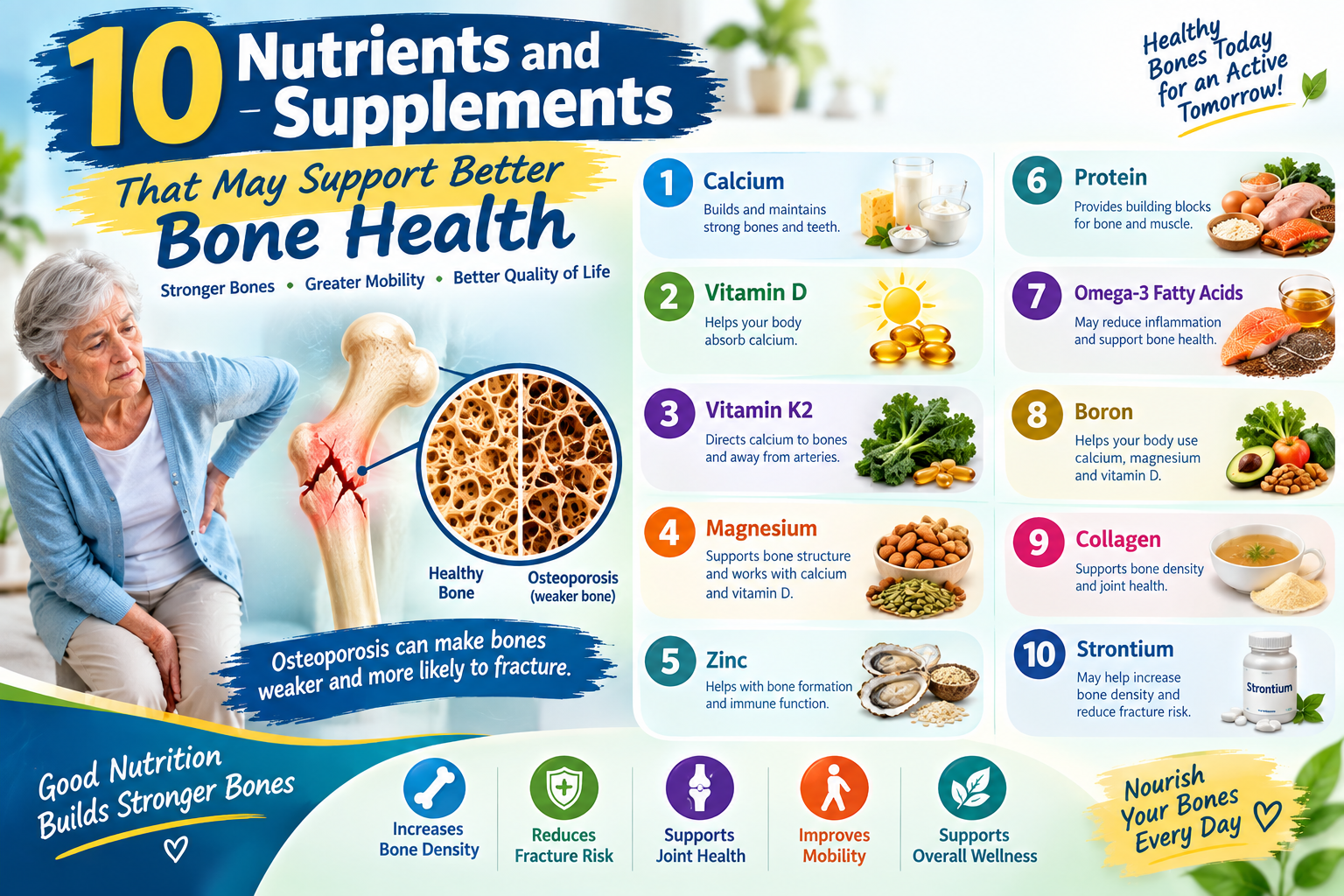
Strong bones are essential for mobility, balance, independence, and overall quality of life. As we age, however, bone density can gradually decline. This can increase the risk of osteoporosis, a condition in which bones become weaker and more likely to fracture.
Nutrition plays an important role in maintaining bone health. Calcium and vitamin D are especially well known, but several other nutrients contribute to the formation, maintenance, and normal function of bones and muscles.
For people who do not get enough nutrients from food, supplements may sometimes be useful. However, taking more supplements does not automatically mean stronger bones. Some nutrients can cause side effects or interact with medications when taken in excessive amounts.
The best approach is to obtain most nutrients from a balanced diet and use supplements when there is a genuine nutritional need or when a healthcare professional recommends them.
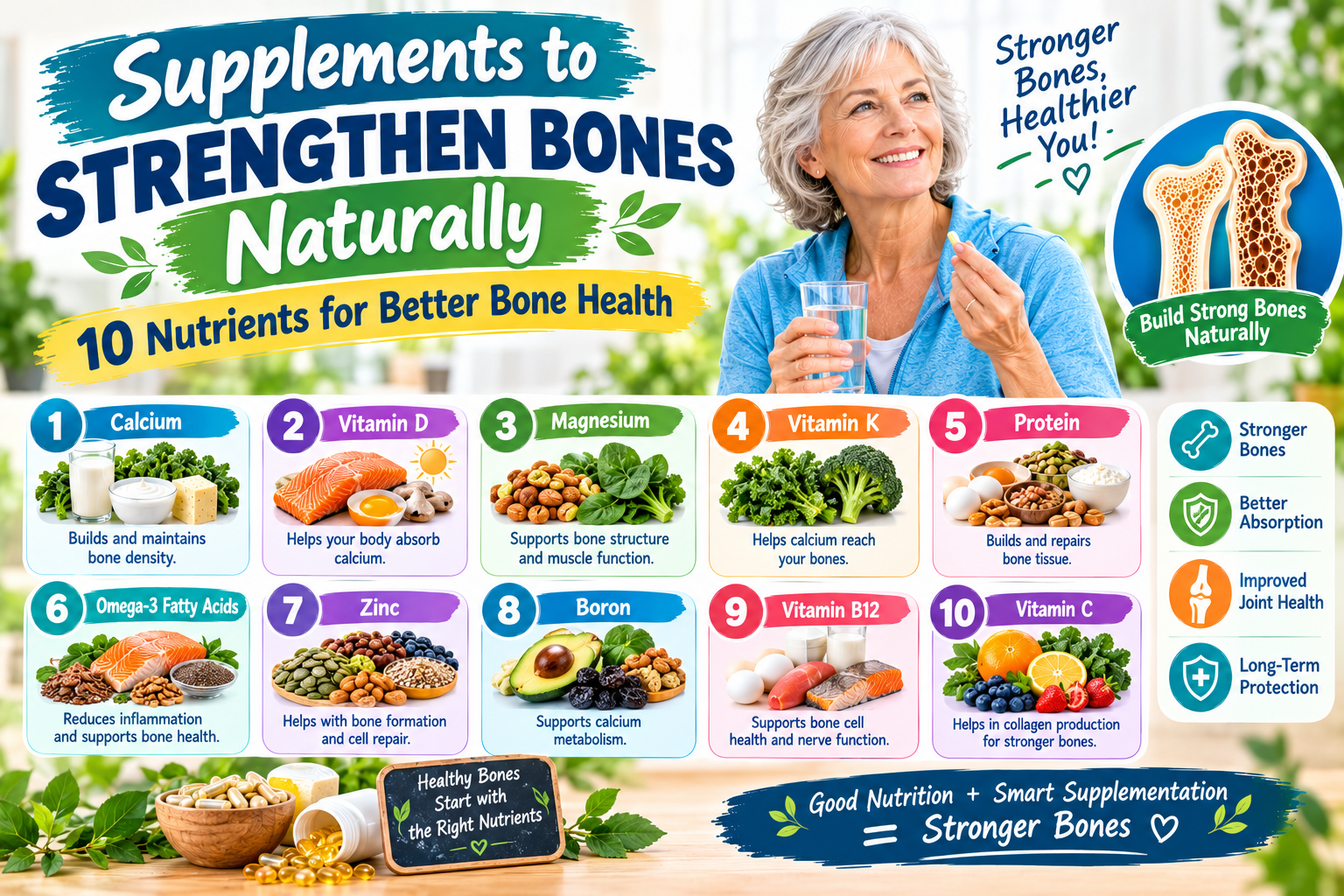
Here are 10 nutrients that may support better bone health.
Click Here To Watch Video to Treat Osteoporosis Disease Naturally!..
1. Calcium
Calcium is one of the most important minerals for maintaining strong bones. Almost all of the body’s calcium is stored in bones and teeth, where it contributes to their structure and strength.
Your body also needs calcium for muscle contraction, nerve signaling, and other essential functions. Vitamin D helps your body absorb calcium.
Good food sources include:
- Milk
- Yogurt
- Cheese
- Calcium-fortified plant beverages
- Calcium-set tofu
- Canned sardines with edible bones
- Canned salmon with bones
- Some leafy green vegetables
- Calcium-fortified foods
A calcium supplement may be useful when dietary intake is inadequate.
However, supplements should not automatically be taken at high doses. Calcium supplements can cause digestive symptoms such as constipation or bloating in some people, and excessive intake may not provide additional bone benefits.
If you are considering calcium supplements, discuss your total calcium intake from food and supplements with a healthcare professional.
2. Vitamin D
Vitamin D is essential for calcium absorption and normal bone mineralization. Inadequate vitamin D can contribute to weak bones and muscle problems.
Sources include fatty fish, egg yolks, fortified milk, fortified plant beverages, and fortified cereals. Sun exposure can also help the body produce vitamin D, although the amount produced varies from person to person.
Vitamin D supplements are commonly used when dietary intake or vitamin D status is inadequate.
Your healthcare professional may recommend a blood test when vitamin D deficiency is suspected.
Avoid taking very high doses of vitamin D without medical supervision. More is not necessarily better, and excessive vitamin D can cause harmful calcium levels in the blood.
3. Magnesium
Magnesium is involved in numerous processes throughout the body and contributes to the structural development of bone.
Foods containing magnesium include:
- Almonds
- Pumpkin seeds
- Beans
- Lentils
- Whole grains
- Spinach and other leafy greens
- Nuts and seeds
Some research has linked higher magnesium intake with greater bone mineral density, but more research is needed to determine how much magnesium supplementation can help prevent or manage osteoporosis.
If your diet provides enough magnesium, a supplement may not be necessary.
People with certain medical conditions, particularly kidney problems, should speak with a healthcare professional before taking magnesium supplements.
4. Vitamin K
Vitamin K is involved in blood clotting and bone metabolism. It helps activate proteins involved in normal bone function.
Vitamin K1 is found mainly in green leafy vegetables such as:
- Kale
- Spinach
- Collard greens
- Broccoli
- Other green vegetables
Vitamin K2 is found in some fermented and animal-based foods.
Although vitamin K is biologically important for bone health, research has not established that vitamin K supplements consistently prevent or treat osteoporosis in everyone.
If you eat a varied diet containing vegetables and other vitamin K sources, you may already be getting adequate amounts.
People taking the blood thinner warfarin should not make major changes to their vitamin K intake without discussing it with their healthcare professional because vitamin K can affect how the medication works.
5. Protein
Protein is sometimes overlooked when discussing bone health, but it is important for the body’s tissues and helps maintain muscle mass.
Strong muscles are particularly valuable as you age because they support movement, balance, and physical function. Maintaining muscle strength can also help reduce the risk of falls.
Good protein sources include:
- Eggs
- Fish
- Chicken
- Yogurt
- Milk
- Beans
- Lentils
- Tofu
- Nuts and seeds
Protein powders can be useful for some people who struggle to obtain enough protein from food, but they are not specifically an osteoporosis treatment.
A balanced diet should usually be the first choice.
6. Vitamin C
Vitamin C is involved in collagen production. Collagen provides an important structural framework in bones and other connective tissues.
Fruits and vegetables are excellent sources of vitamin C.
Examples include:
- Oranges
- Kiwi
- Strawberries
- Guava
- Bell peppers
- Broccoli
- Tomatoes
- Citrus fruits
Because vitamin C is widely available in foods, most people can obtain adequate amounts through a varied diet.
A vitamin C supplement may be unnecessary if your diet already includes plenty of fruits and vegetables. High doses can cause digestive symptoms in some people.
Think of vitamin C as part of an overall nutritious diet rather than a stand-alone treatment for osteoporosis.
7. Zinc
Zinc is an essential mineral involved in many biological processes, including normal growth, tissue maintenance, and immune function.
Foods containing zinc include:
- Meat
- Seafood
- Eggs
- Dairy products
- Beans
- Nuts
- Seeds
- Whole grains
Zinc is involved in processes related to bone formation, but this does not mean that everyone with osteoporosis needs a zinc supplement.
Taking excessive zinc can interfere with copper absorption and may cause other problems.
If you have a varied diet, focus on obtaining zinc from food unless a healthcare professional identifies a deficiency or recommends supplementation.
8. Phosphorus
Phosphorus is an important mineral found in bones and teeth. It works together with calcium in the mineral structure of bone.
Many foods naturally contain phosphorus, including:
- Dairy products
- Meat
- Fish
- Eggs
- Beans
- Lentils
- Nuts
- Seeds
- Whole grains
Phosphorus deficiency is uncommon in people who eat a varied diet, so routine phosphorus supplementation is generally not necessary.
In fact, the goal should not be to take as many bone-related minerals as possible. Your body requires nutrients in appropriate amounts, and excessive supplementation can be counterproductive.
A balanced diet generally provides sufficient phosphorus.
9. Copper
Copper is a trace mineral that contributes to several processes in the body, including connective tissue formation and normal iron metabolism.
Because bone contains connective tissue components, copper is sometimes discussed as part of overall bone nutrition.
Food sources include:
- Shellfish
- Nuts
- Seeds
- Whole grains
- Beans
- Organ meats
- Dark chocolate
Copper deficiency is uncommon in most healthy adults.
There is not strong evidence that routinely taking copper supplements prevents osteoporosis in people who are not deficient.
For this reason, copper supplements should not be viewed as a primary osteoporosis treatment.
10. Manganese
Manganese is another trace mineral involved in normal metabolism and connective tissue formation.
Dietary sources include:
- Whole grains
- Nuts
- Seeds
- Legumes
- Leafy vegetables
- Tea
Manganese is required in small amounts, and most people can obtain it through food.
Although manganese participates in processes relevant to bone and connective tissue, there is limited evidence that manganese supplements independently prevent or treat osteoporosis.
Taking unnecessary high-dose trace-mineral supplements can create nutritional imbalances, so supplementation should be discussed with a healthcare professional.
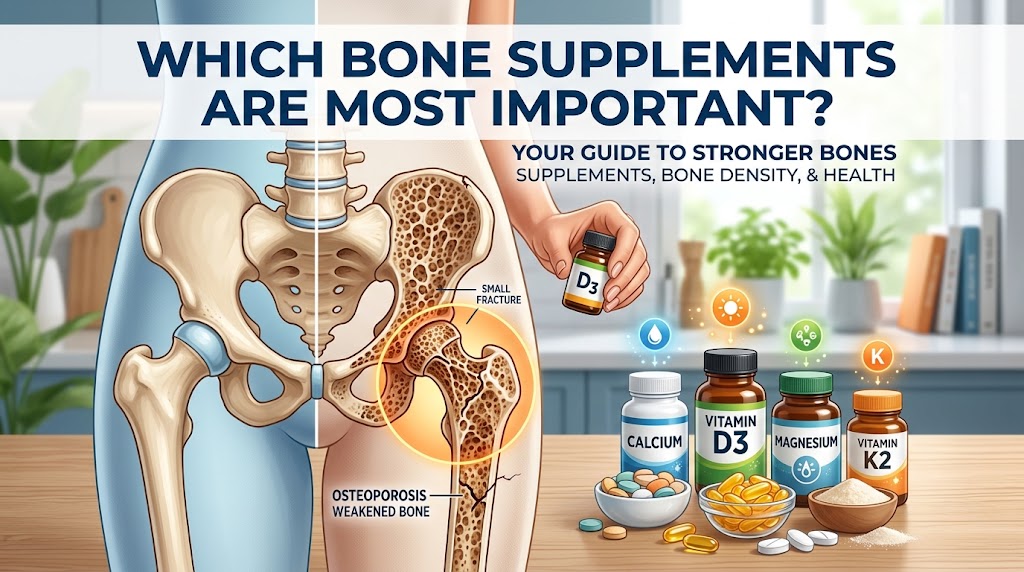
Which Bone Supplements Are Most Important?
Click Here To Watch Video to Treat Osteoporosis Disease Naturally!..
Not everyone needs all 10 nutrients in supplement form.
For most people, the priority is to make sure the diet provides adequate amounts of essential nutrients, especially calcium, vitamin D, protein, magnesium, and other nutrients obtained through a varied diet.
Calcium and vitamin D have the most established roles in maintaining normal bone health, but even these supplements should be individualized.
Your age, sex, diet, medications, medical conditions, kidney function, vitamin levels, and fracture risk can all influence what is appropriate for you.
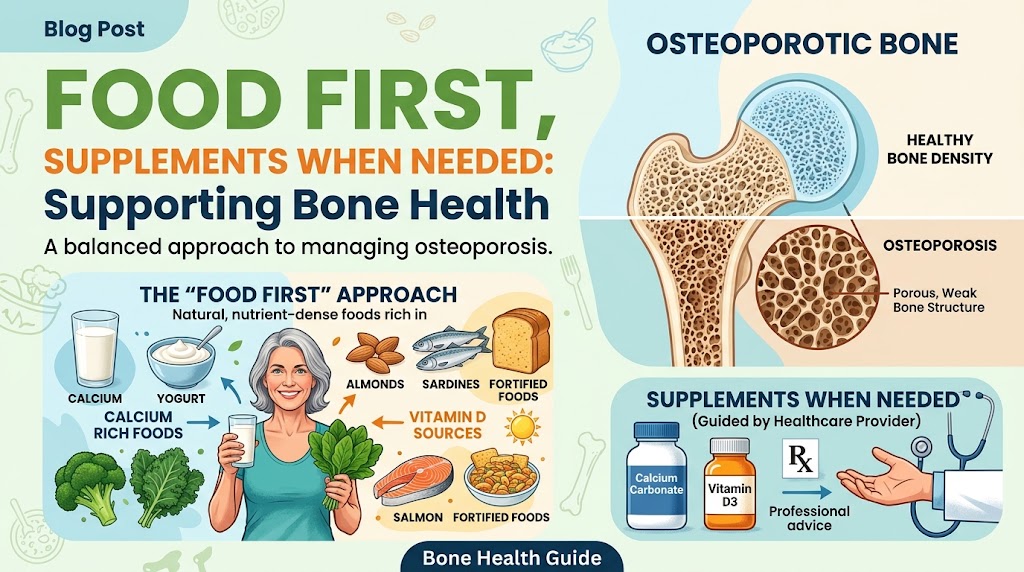
Food First, Supplements When Needed
Click Here To Watch Video to Treat Osteoporosis Disease Naturally!..
Supplements are designed to supplement your diet, not replace healthy food.
For example, instead of relying entirely on a calcium tablet, build meals around calcium-rich foods.
A bone-friendly breakfast might include:
- Yogurt
- Oatmeal
- Berries
- Nuts or seeds
Lunch could include:
- Leafy green vegetables
- Beans or lentils
- Whole grains
- A protein source
Dinner might include:
- Salmon or another protein source
- Vegetables
- Brown rice or another whole grain
This approach provides multiple nutrients at the same time.
How to Choose a Bone Health Supplement
If a supplement is recommended, pay attention to the label.
Look for:
- The exact nutrient provided
- The amount per serving
- Serving size
- Other ingredients
- Potential allergens
- Expiration date
- Appropriate dosage
Avoid assuming that a product labeled “bone strength” or “natural bone support” has been proven to prevent fractures.
Dietary supplements can contain combinations of vitamins, minerals, herbs, and other ingredients. More ingredients do not necessarily mean better results.
When possible, discuss supplement choices with a doctor, pharmacist, or registered dietitian.
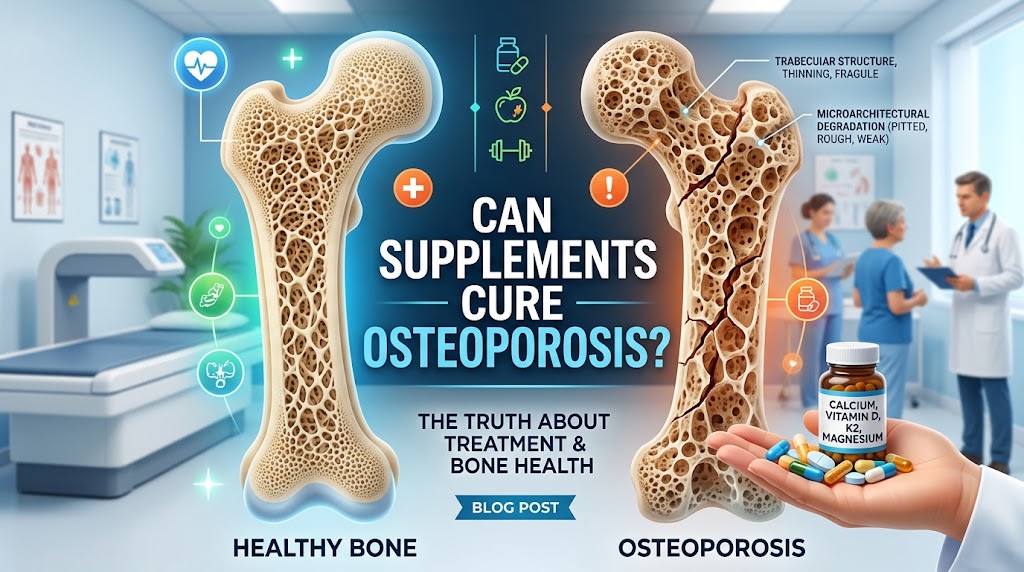
Can Supplements Cure Osteoporosis?
Click Here To Watch Video to Treat Osteoporosis Disease Naturally!..
No supplement should be promoted as a guaranteed cure for osteoporosis.
Osteoporosis is a medical condition that may require a combination of lifestyle changes and prescription treatment.
If you have been diagnosed with osteoporosis, your healthcare professional may evaluate your bone density and fracture risk and determine whether medication is appropriate.
Lifestyle measures can include:
- Eating a balanced diet
- Getting adequate calcium and vitamin D
- Performing appropriate weight-bearing exercise
- Doing resistance training
- Practicing balance exercises
- Maintaining a healthy weight
- Avoiding smoking
- Limiting excessive alcohol
- Preventing falls
These strategies can complement medical treatment.
Do not stop prescribed osteoporosis medication simply because you begin taking vitamins or minerals.
Important Supplement Safety Tips
Natural does not always mean risk-free.
Before starting supplements, consider the following:
Tell your healthcare professional about every supplement you take
This includes multivitamins, herbal products, vitamins, minerals, powders, and gummies.
Check for medication interactions
Some supplements can interfere with prescription medicines.
Avoid excessive doses
Taking very large amounts of vitamins or minerals can cause side effects and may sometimes be harmful.
Consider your medical conditions
People with kidney disease, certain digestive disorders, or other medical conditions may need special guidance.
Do not combine multiple products without checking the labels
You could unintentionally take excessive amounts of the same nutrient from several products.
A Simple Bone-Health Supplement Strategy
A practical approach is to follow these steps:
Step 1: Build a nutrient-rich diet.
Step 2: Identify possible nutritional gaps.
Step 3: Discuss those gaps with a healthcare professional.
Step 4: Consider blood tests when clinically appropriate.
Step 5: Use supplements only when they are needed or recommended.
Step 6: Reassess your needs periodically.
Your nutritional needs can change with age, diet, medications, and medical conditions.
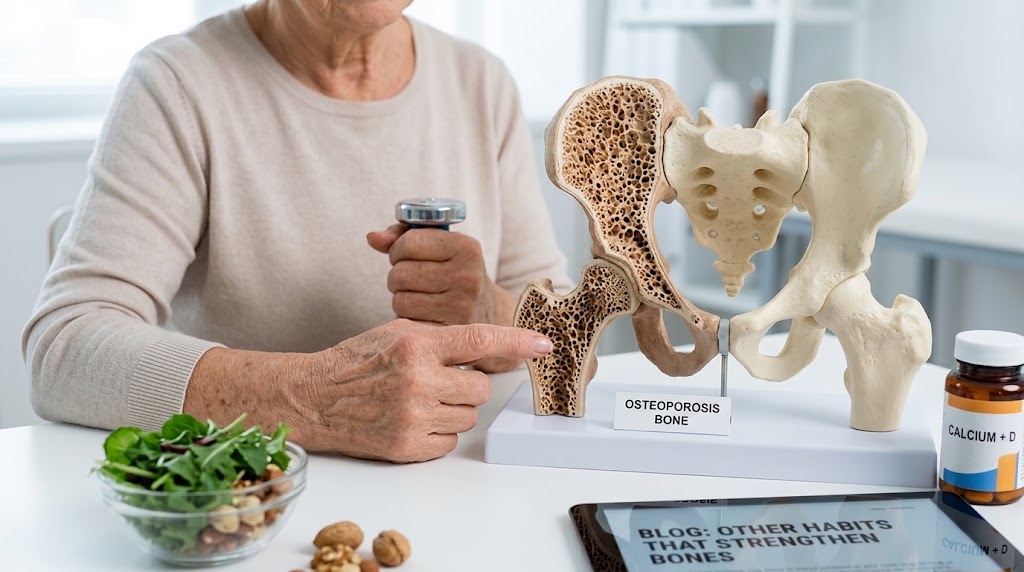
Other Habits That Strengthen Bones
Click Here To Watch Video to Treat Osteoporosis Disease Naturally!..
Supplements are only one part of bone health.
Regular exercise is especially important. Weight-bearing activities such as walking can provide mechanical loading, while resistance exercises can help maintain muscle strength.
Balance training can also be valuable because falls are a major concern for people with fragile bones.
Other helpful habits include:
- Eating enough protein
- Avoiding smoking
- Limiting excessive alcohol
- Maintaining a healthy weight
- Getting adequate sleep
- Keeping your home free of fall hazards
- Following recommended bone-density testing
- Taking prescribed osteoporosis medication when appropriate
When to Talk to a Healthcare Professional
Seek professional guidance if you have:
- A fracture after a minor fall
- Persistent back pain
- Loss of height
- A stooped posture
- Frequent falls
- Significant balance problems
- A family history of osteoporosis
- Long-term corticosteroid use
- A diagnosed vitamin or mineral deficiency
- Questions about calcium or vitamin D supplements
If you already have osteoporosis, a personalized plan is especially important.
Final Thoughts
The best supplements to strengthen bones naturally are not necessarily the ones with the most ingredients or the highest doses. Calcium, vitamin D, magnesium, vitamin K, protein, vitamin C, zinc, phosphorus, copper, and manganese all contribute to nutrition and normal body functions related to bone health, but the evidence for supplementation varies considerably among nutrients.
For most people, a balanced diet should provide the foundation. Supplements can help fill specific nutritional gaps when food alone is not enough or when a healthcare professional recommends them.
Most importantly, supplements should be combined with weight-bearing exercise, resistance training, adequate protein, fall prevention, healthy lifestyle habits, and appropriate medical care when osteoporosis is present.
Medical Disclaimer: This article is for educational purposes only and is not a substitute for professional medical advice, diagnosis, or treatment. Do not start high-dose vitamins, minerals, or other supplements without discussing them with a qualified healthcare professional, especially if you have osteoporosis, kidney disease, other medical conditions, or take prescription medications.