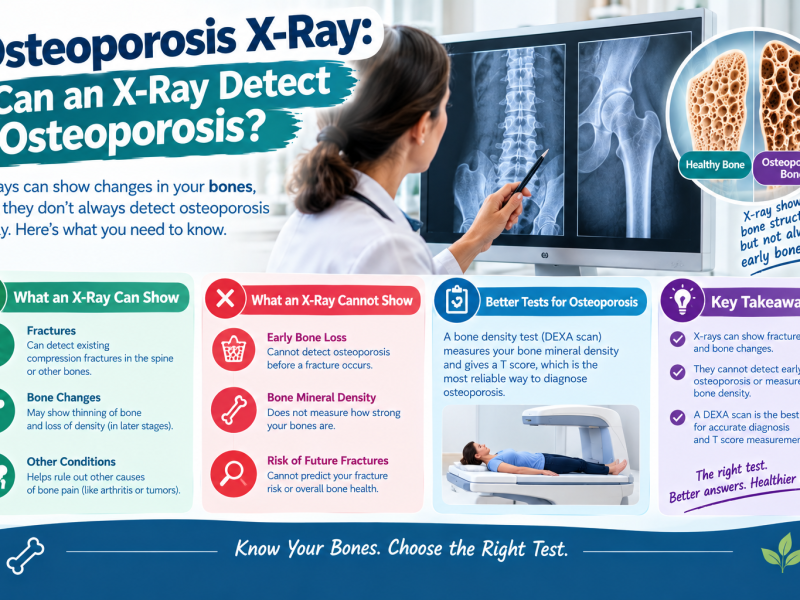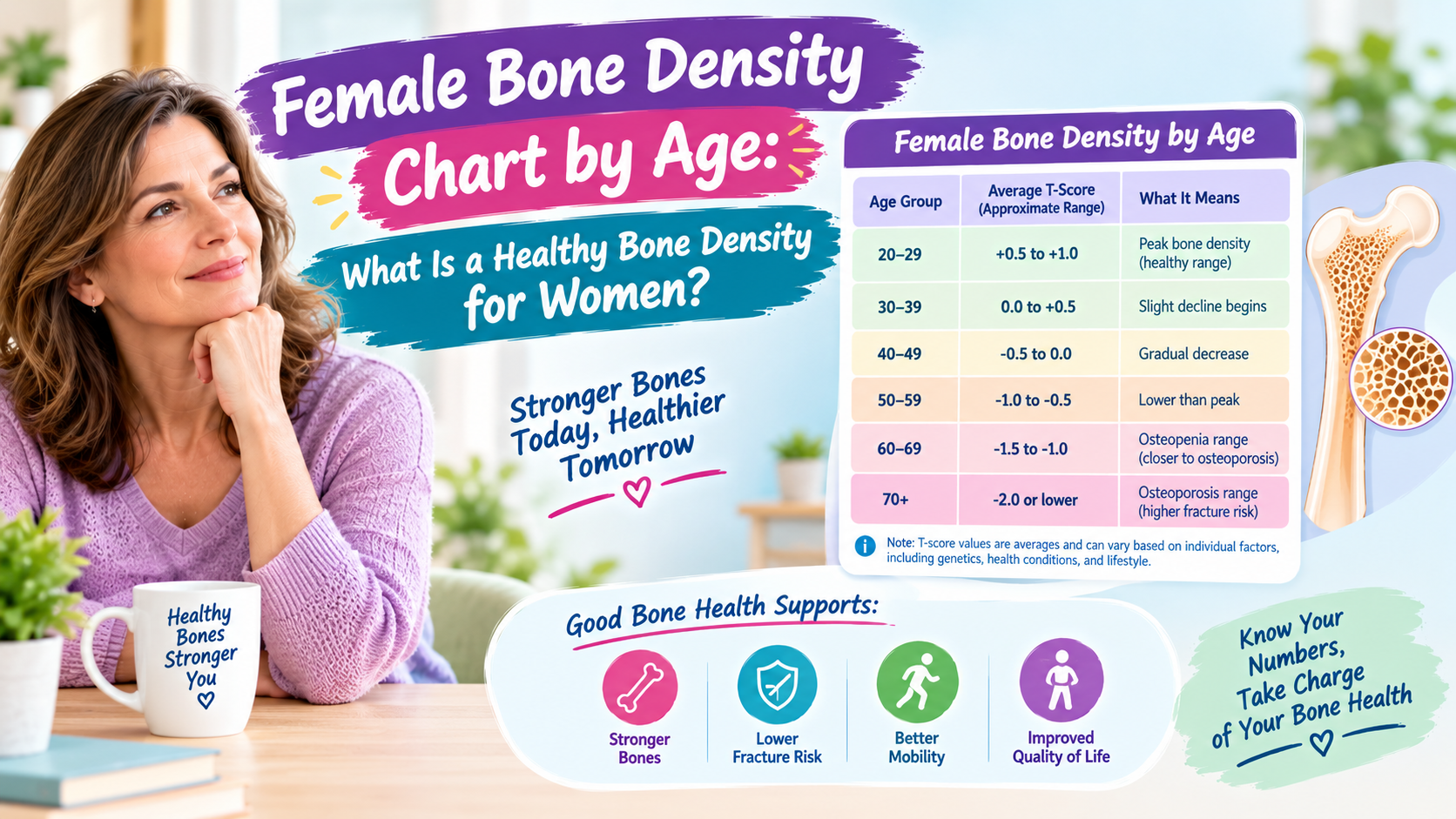
Bone density is an important indicator of skeletal health, particularly as women get older. As women age, bone loss can gradually increase, especially around and after menopause. Lower bone density can increase the risk of osteoporosis and fractures.
Many women searching for information about bone health want to know: What is a healthy bone density for my age? They may also look for a female bone density chart by age to understand whether their results are normal.
The important thing to know is that there is not one universal bone-density number that is considered healthy for every woman at every age. Bone density results are interpreted using measurements such as T-scores and Z-scores, along with age, menopausal status, fracture history, medical conditions, medications, and other risk factors.
This guide explains how bone density changes with age, how to understand DXA results, and what women can do to support strong bones.
What Is Bone Density?
Click Here To Watch Video to Treat Osteoporosis Disease Naturally!..
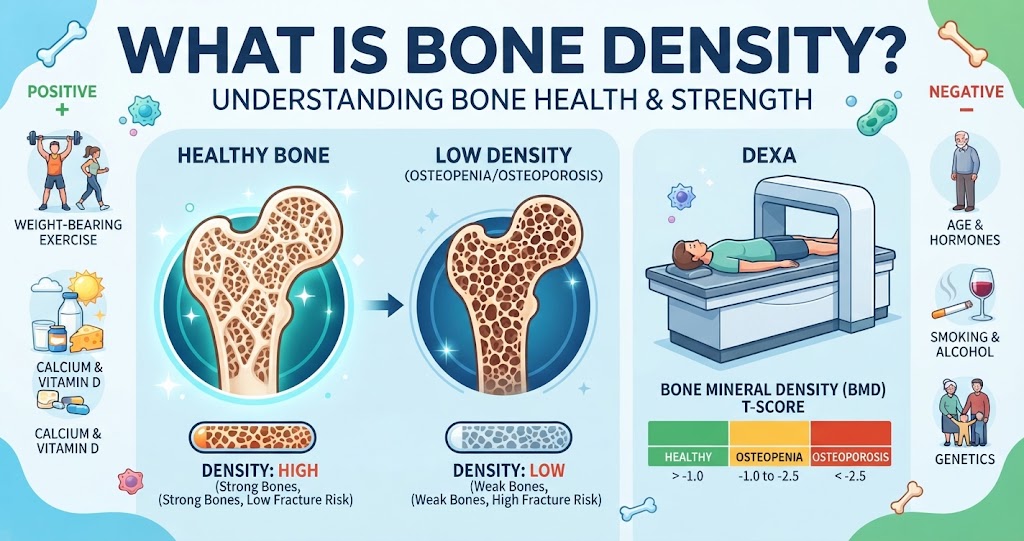
Bone density, more precisely called bone mineral density (BMD), refers to the amount of mineral contained within a certain area of bone.
Bones are living tissue. They are continuously broken down and rebuilt throughout life.
When bone formation keeps pace with bone breakdown, bone strength can generally be maintained. However, when bone loss becomes greater than bone formation, bone density can decrease.
Low bone density does not always mean that a person has osteoporosis. However, lower density can be associated with a greater risk of fractures, particularly when combined with other risk factors.
Female Bone Density Chart by Age
A common misconception is that women should have a specific BMD number based solely on their age. In reality, DXA results are generally interpreted according to T-scores or Z-scores, depending on age and menopausal status.
Here is a simplified guide:
| Age / Life Stage | Common Bone Density Interpretation |
|---|---|
| Young women before menopause | Z-score is generally preferred |
| Perimenopause / menopausal transition | Interpretation may depend on clinical circumstances |
| Postmenopausal women | T-score is generally used |
| Age 50+ with appropriate clinical indications | T-score is commonly used |
| Age 65+ | Routine DXA screening is generally recommended for women |
For premenopausal women, a Z-score above -2.0 is considered within the expected range for age, while a Z-score of -2.0 or lower is considered below the expected range for age. T-scores are generally used for diagnosing osteoporosis in postmenopausal women and men age 50 and older.
What Is a T-Score?
Click Here To Watch Video to Treat Osteoporosis Disease Naturally!..
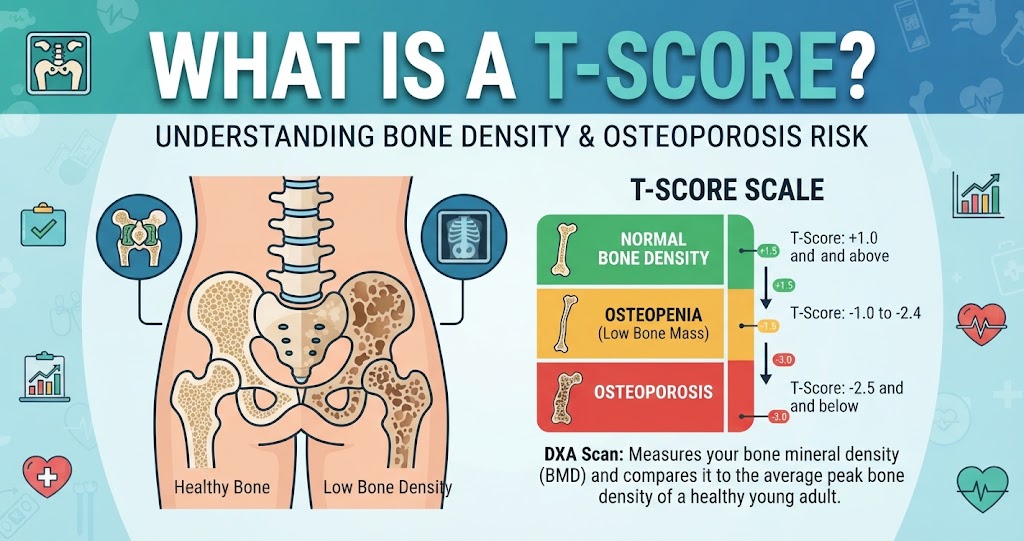
A T-score compares your bone density with that of a healthy young-adult reference population.
For postmenopausal women, the commonly used categories are:
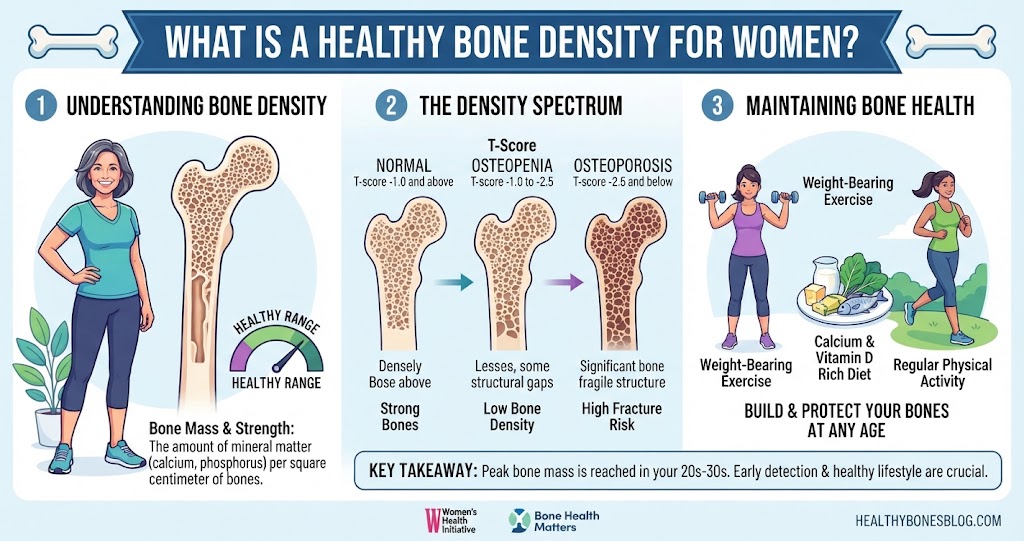
- -1.0 or higher: Normal bone density
- Between -1.0 and -2.5: Low bone density
- -2.5 or lower: Osteoporosis
For example, a T-score of -0.5 is generally considered normal, while -1.8 falls into the low-bone-density range. A result of -2.7 is in the osteoporosis range.
It is important to remember that a T-score is not an age-specific score. It is primarily a comparison with a young-adult reference population.
This is why simply looking for a “normal bone density at age 50” or “normal bone density at age 70” can be misleading.
What Is a Z-Score?

Click Here To Watch Video to Treat Osteoporosis Disease Naturally!..
A Z-score compares a woman’s bone density with what is expected for someone of a similar age.
Z-scores are particularly useful for:
- Premenopausal women
- Younger adults
- Children and adolescents
According to the International Society for Clinical Densitometry, a Z-score of -2.0 or lower is considered below the expected range for age, while a Z-score above -2.0 is considered within the expected range for age.
A low Z-score does not automatically mean that a woman has osteoporosis. Healthcare professionals may investigate other factors and possible causes of low bone density.
How Bone Density Changes With Age
Click Here To Watch Video to Treat Osteoporosis Disease Naturally!..
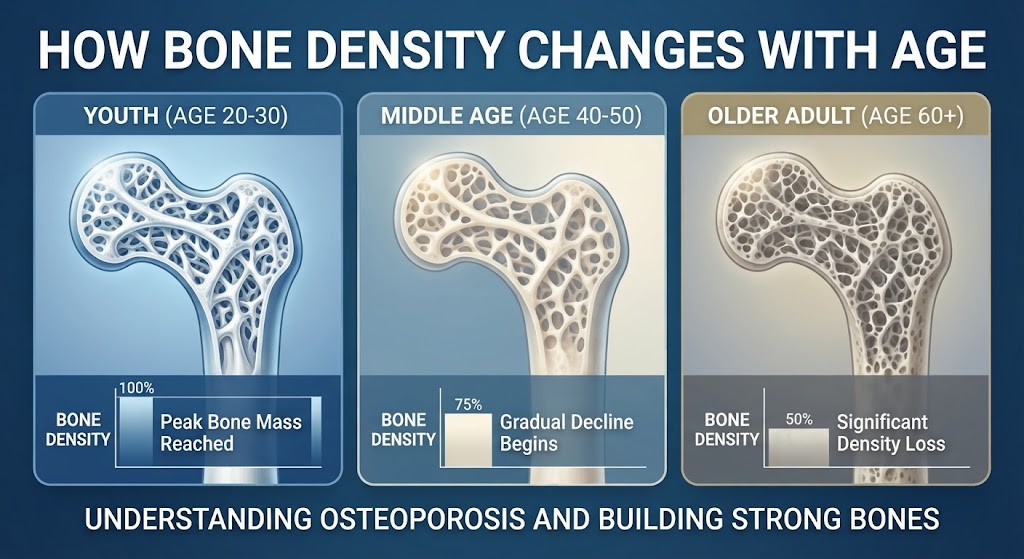
Bone density generally develops during childhood and adolescence and reaches peak bone mass in early adulthood.
After peak bone mass is reached, bone density can gradually decline with age.
For women, the menopause transition is particularly important because estrogen levels decrease. Estrogen helps protect bone, and its decline around menopause can accelerate bone loss.
This does not mean that every woman will develop osteoporosis after menopause. Genetics, body size, physical activity, nutrition, medications, medical conditions, and lifestyle factors all influence bone health.
Bone Density in Your 20s and 30s
Young adulthood is an important period for building and maintaining strong bones.
During these years, many women are still close to their peak bone mass.
Important bone-health habits include:
- Eating a nutrient-rich diet
- Getting adequate calcium and vitamin D
- Performing weight-bearing activities
- Strength training
- Avoiding smoking
- Limiting excessive alcohol
- Maintaining a healthy body weight
A healthy lifestyle during early adulthood can help establish a strong foundation for later life.
Bone Density in Your 40s
Women in their 40s may still have relatively strong bones, but hormonal changes can begin to affect bone health as menopause approaches.
Some women enter perimenopause during their 40s, while others do not experience menopause until later.
Women with risk factors for bone loss may need earlier assessment.
Risk factors can include:
- Previous fractures
- Low body weight
- Certain medications
- Family history of osteoporosis
- Certain medical conditions
- Early menopause
- Smoking
- Excessive alcohol consumption
A DXA scan is not automatically necessary for every woman in her 40s. Testing decisions should be based on individual risk factors and clinical guidance.
Bone Density in Your 50s
Bone health becomes increasingly important during the 50s because many women transition through menopause during this decade.
The decline in estrogen associated with menopause can accelerate bone loss.
Women who have risk factors for osteoporosis may be advised to have a DXA scan earlier than routine screening ages.
A history of a fracture after age 50 is particularly important to discuss with a healthcare professional.
A fracture involving the hip or spine may be strongly suggestive of osteoporosis, even when the T-score is not in the osteoporosis range.
Bone Density in Your 60s
Bone density often becomes an increasing concern during the 60s.
The Bone Health and Osteoporosis Foundation recommends that women age 65 and older discuss bone density testing with their healthcare provider. Earlier testing may be appropriate for postmenopausal women with significant risk factors.
At this stage, prevention of falls becomes particularly important.
Strong muscles, good balance, appropriate footwear, adequate lighting, and a safe home environment can all help reduce fracture risk.
Bone Density in Your 70s and Beyond
Older women have a higher risk of low bone density and fractures.
Bone health during this stage involves more than the DXA number alone.
Healthcare professionals may consider:
- Bone density
- Previous fractures
- Fall risk
- Medications
- Medical conditions
- Body weight
- Physical activity
- Family history
- Overall fracture risk
A fracture-risk assessment such as FRAX may be used alongside bone density measurements to estimate the likelihood of future fractures.
What Is a Healthy Bone Density for Women?
Click Here To Watch Video to Treat Osteoporosis Disease Naturally!..
For postmenopausal women, a T-score of -1.0 or higher is classified as normal bone density under the standard WHO classification.
A T-score from -1.0 to -2.5 is classified as low bone density, while -2.5 or lower meets the densitometric definition of osteoporosis.
However, a DXA score should not be interpreted in isolation.
A woman can have a T-score better than -2.5 and still have a significant fracture risk. Conversely, low bone density does not automatically mean that a woman will experience a fracture.
Your healthcare professional may consider your complete health history when interpreting the result.
What Causes Low Bone Density in Women?
Several factors can contribute to low bone density.
Menopause
The decrease in estrogen around menopause can accelerate bone loss.
Aging
Bone remodeling changes as people get older, and bone loss can gradually exceed bone formation.
Low body weight
Being underweight can be associated with lower bone mass and increased fracture risk.
Family history
Genetics can influence peak bone mass and osteoporosis risk.
Physical inactivity
Bones respond to mechanical loading. Lack of weight-bearing activity can contribute to reduced bone strength.
Smoking
Smoking is associated with poorer bone health.
Excessive alcohol
Heavy alcohol consumption can negatively affect bone health and increase fall risk.
Certain medications
Long-term use of some medications, including glucocorticoids, can increase the risk of bone loss.
Medical conditions
Certain endocrine, gastrointestinal, kidney, liver, and other medical conditions can affect bone health.
How to Improve and Maintain Bone Density
Click Here To Watch Video to Treat Osteoporosis Disease Naturally!..
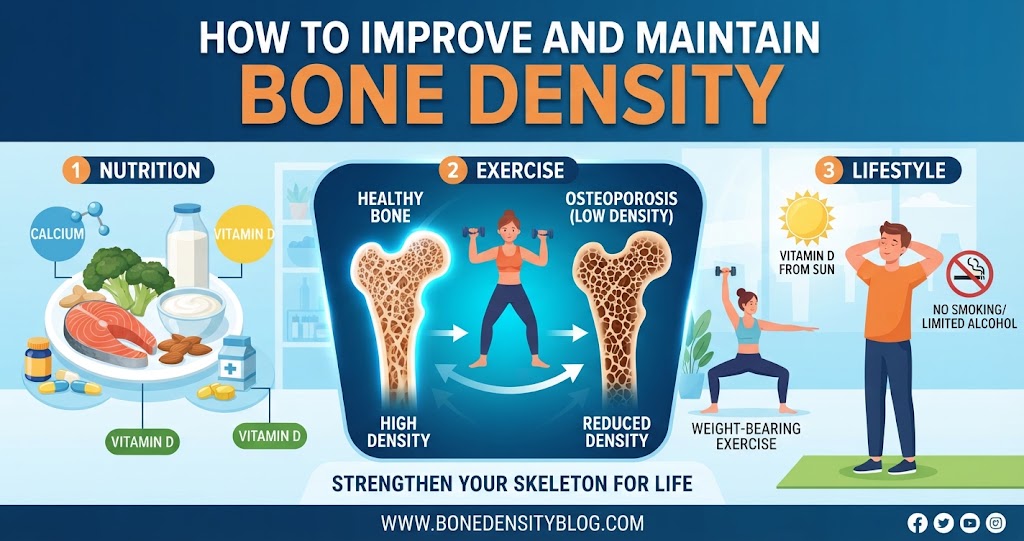
While some factors cannot be changed, many bone-health habits can be improved.
1. Get Enough Calcium
Calcium is an essential mineral for bones.
Good food sources include:
- Milk
- Yogurt
- Cheese
- Fortified plant-based beverages
- Leafy green vegetables
- Tofu made with calcium
- Certain fish eaten with bones
Individual calcium requirements vary, so discuss your needs with a healthcare professional.
2. Maintain Adequate Vitamin D
Vitamin D helps the body absorb calcium and plays an important role in skeletal health.
Sources include sunlight, certain foods, and supplements when medically appropriate.
3. Perform Weight-Bearing Exercise
Activities such as walking, stair climbing, dancing, and other weight-bearing exercises can support bone health.
4. Strengthen Your Muscles
Resistance training can help maintain muscle strength and may support bone health.
It can also help improve physical function and reduce fall risk.
5. Avoid Smoking
If you smoke, quitting can benefit overall health, including your bones.
6. Limit Excessive Alcohol
Heavy alcohol consumption can negatively affect bone health and increase the risk of falls.
7. Prevent Falls
Fall prevention becomes increasingly important with age.
Keep walkways clear, use adequate lighting, wear supportive footwear, and discuss balance concerns with your healthcare professional.
When Should Women Get a Bone Density Test?
Routine DXA screening recommendations vary somewhat by guideline and individual circumstances.
The ISCD lists women age 65 and older as candidates for bone mineral density testing. It also recommends considering testing in postmenopausal women younger than 65 when risk factors for low bone mass are present.
Earlier testing may be appropriate if you:
- Have experienced a fragility fracture
- Have low body weight
- Take medications associated with bone loss
- Have a medical condition associated with osteoporosis
- Have other significant risk factors
A healthcare professional can determine when testing is appropriate.
Can You Increase Bone Density After Menopause?
It may be possible to improve or maintain bone density depending on your individual circumstances.
Lifestyle measures such as appropriate exercise, adequate nutrition, and avoiding smoking can support bone health.
For women with osteoporosis or significant fracture risk, healthcare professionals may also recommend medication.
The goal is not simply to improve the DXA number. The broader goal is to reduce the risk of fractures and maintain mobility and quality of life.
Final Thoughts
A female bone density chart by age can be useful for understanding general bone-health concepts, but there is no single BMD value that defines healthy bones for every woman at every age.
For postmenopausal women, T-scores are commonly used to classify bone density. A T-score of -1.0 or higher is considered normal, -1.0 to -2.5 indicates low bone density, and -2.5 or lower meets the densitometric definition of osteoporosis.
For women who have not reached menopause, Z-scores are generally preferred because they compare bone density with age-matched individuals. A Z-score above -2.0 is considered within the expected range for age.
Most importantly, bone density is only one part of fracture risk. Age, menopause, previous fractures, medications, medical conditions, body weight, family history, physical activity, and other factors all matter.
If you have received a DXA result that concerns you, discuss the complete report with your healthcare professional rather than judging your bone health from the number alone.
Medical Disclaimer: This article is for general educational purposes only and is not a substitute for professional medical advice, diagnosis, or treatment. Bone-density results should be interpreted by a qualified healthcare professional in the context of your individual health history and fracture risk.